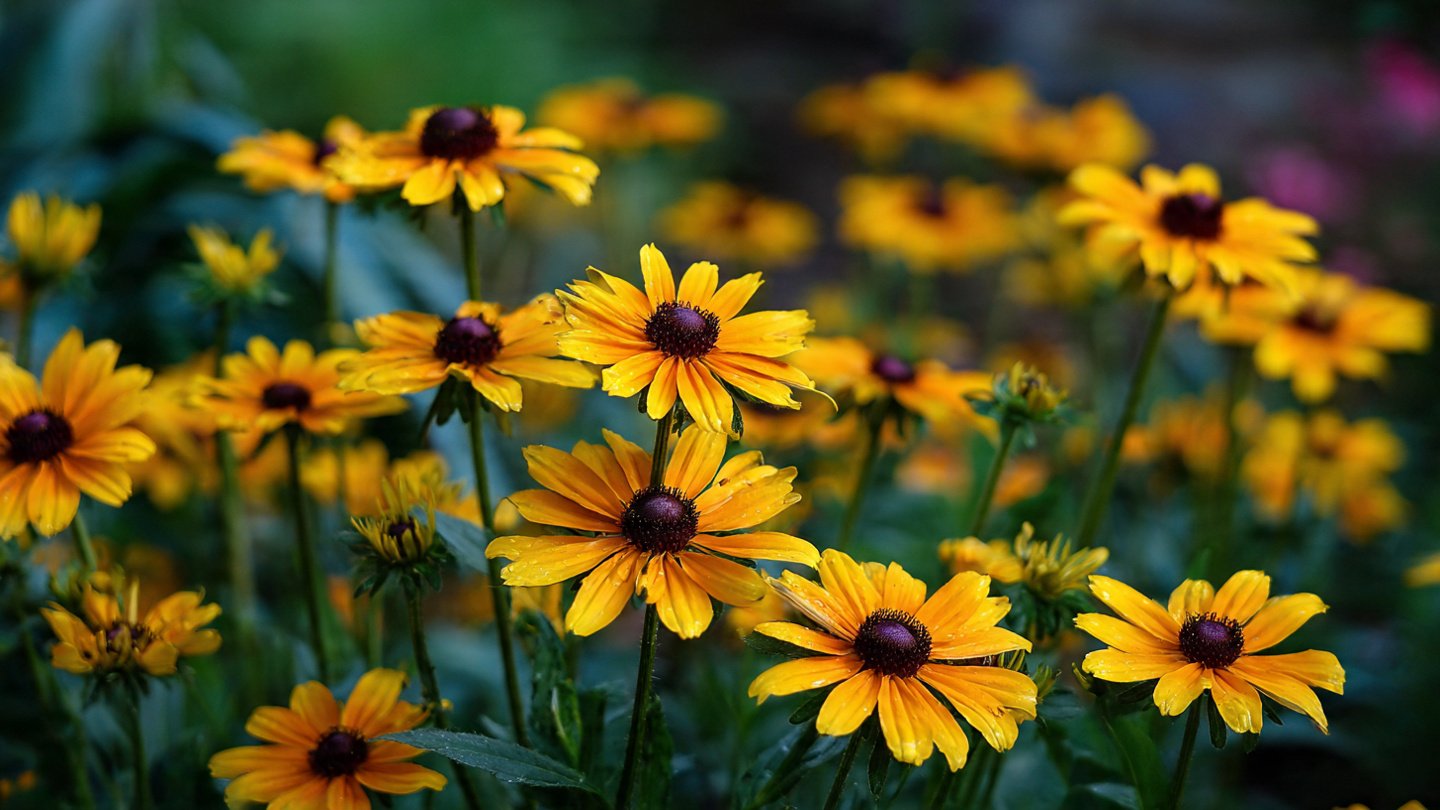
Few plants bring as much vibrancy, charm, and long-lasting color to a garden as Rudbeckia. Often called Black-eyed Susan, these perennial flowers are beloved for their bright yellow or orange petals surrounding dark central cones. They’re hardy, low-maintenance, and attract pollinators like bees and butterflies, making them a favorite for both beginner and experienced gardeners.
If you want your garden to shine with stunning Rudbeckia blooms year after year, understanding their growth habits, planting requirements, and care routines is essential. This guide provides everything you need to know to cultivate a flourishing Rudbeckia patch.
Why Choose Rudbeckia for Your Garden?
Rudbeckia has several qualities that make it ideal for perennial gardening:
- Bright, long-lasting flowers: Blooming from mid-summer to early autumn, they provide extended color in the garden.
- Low maintenance: They thrive in average soil, tolerate heat, and resist drought once established.
- Wildlife-friendly: The blooms attract pollinators like bees, butterflies, and birds.
- Versatile design options: They work well in borders, wildflower gardens, meadows, and even containers.
Because of their adaptability, Rudbeckia fits into almost any garden style—from formal perennial beds to cottage-style designs.
Understanding Rudbeckia Varieties
There are several popular Rudbeckia species, each with unique qualities:
- Rudbeckia fulgida: Known for bright yellow petals and compact growth, ideal for borders.
- Rudbeckia hirta: Common Black-eyed Susan, often grown from seed; blooms profusely in summer.
- Rudbeckia maxima: Taller variety with larger flowers, perfect as a background plant.
- Rudbeckia triloba: Clump-forming, smaller blooms, ideal for mass planting.
Choosing the right variety depends on your garden space, design preferences, and bloom size.
Choosing the Right Location
Rudbeckia thrives best in full sun, which ensures:
- Maximum flower production
- Strong, upright stems
- Reduced disease risk
While they can tolerate partial shade, too little sun leads to leggy growth and fewer blooms. The soil should be well-draining, moderately fertile, and not overly rich, as excessively fertile soil may encourage leaf growth at the expense of flowers.
Preparing the Soil
Healthy soil is crucial for perennial success. Rudbeckia prefers:
- Slightly acidic to neutral pH (6.0–7.0)
- Loamy or sandy soil that drains well
- Moderate organic matter for nutrients
Soil preparation steps:
- Remove weeds and debris from the planting area.
- Loosen soil to a depth of 12–15 inches to promote root growth.
- Mix in compost or well-rotted manure to improve texture and fertility.
- Optional: Add a small amount of bone meal or organic fertilizer to support early root development.
Good soil preparation gives your Rudbeckia a strong start for years of blooms.
Planting Rudbeckia
Rudbeckia can be grown from seeds, seedlings, or divisions, depending on your preferred approach.
Planting from seeds:
- Start seeds indoors 6–8 weeks before the last frost date.
- Use seed trays with a light, well-draining potting mix.
- Sow seeds thinly and cover lightly with soil.
- Keep soil moist and maintain a temperature of 65–70°F.
- Transplant seedlings outdoors after the risk of frost has passed.
Planting from seedlings or divisions:
- Space plants 12–18 inches apart for compact varieties, or up to 24 inches for taller species.
- Dig holes slightly larger than the root ball.
- Place the plant at the same depth it was growing in its pot.
- Fill with soil, firm gently, and water thoroughly.
Dividing older clumps every 3–4 years rejuvenates plants and encourages more flowers.
Watering Rudbeckia
Rudbeckia is drought-tolerant once established, but proper watering during the first season is crucial.
- Newly planted seedlings: Keep soil consistently moist, not soggy, for 2–3 weeks.
- Established plants: Water deeply once a week during dry periods.
- Avoid overhead watering: Wet leaves can promote fungal diseases.
Mulching around the base helps retain soil moisture, suppress weeds, and moderate soil temperature.
Fertilizing for More Blooms
Rudbeckia thrives in moderately fertile soil, and over-fertilization can reduce flowering. Use a balanced, slow-release organic fertilizer in early spring to promote healthy growth.
Optional liquid feeding during the bloom season can encourage extended flowering, but keep it light—too much nitrogen encourages leafy growth instead of blooms.
Supporting Your Rudbeckia
Some taller varieties may need staking to prevent stems from bending or breaking, especially in windy conditions.
- Insert bamboo stakes or garden supports near the base.
- Tie stems loosely with garden twine.
- This prevents sprawling and maintains a neat appearance.
Deadheading and Pruning
To maximize blooms:
- Deadhead spent flowers regularly; this redirects energy into new flowers rather than seed production.
- Leave a few seed heads at the end of the season to attract birds and add winter interest.
- In late autumn, cut the stems back to 2–3 inches above the ground after the first frost.
Regular pruning ensures tidy plants and encourages stronger growth the following year.
Controlling Pests and Diseases
Rudbeckia is generally resilient, but occasional problems can occur:
- Powdery mildew: Avoid overcrowding, ensure good air circulation, and water at the base.
- Aphids: Spray with water or introduce beneficial insects like ladybugs.
- Slugs or snails: Use organic barriers or traps.
Healthy plants in sunny, well-drained soil are much less prone to disease, so preventive care is the best approach.
Encouraging Pollinators
Rudbeckia is excellent for attracting beneficial insects:
- Bees for pollination
- Butterflies for visual appeal
- Birds, especially finches, that feed on seeds in late summer
Planting Rudbeckia in clusters increases their visual and ecological impact, making your garden vibrant and full of life.
Companion Planting Ideas
Rudbeckia pairs beautifully with other perennials:
- Echinacea: Complementary color and height
- Salvia: Long flowering season
- Coreopsis: Adds texture and contrasts
- Ornamental grasses: Softens the garden edges
Mixing different species enhances garden biodiversity and creates a dynamic perennial display.
Mulching and Winter Care
To protect Rudbeckia over winter:
- Apply a 2–3 inch layer of mulch around the base in late fall.
- This insulates the roots and reduces frost damage.
- In colder regions, consider covering with straw or leaves for extra protection.
Rudbeckia will emerge strong the following spring, ready for another season of blooms.
Expanding Your Rudbeckia Garden
Once you have success with one variety, expanding your collection is easy:
- Collect seeds from matured flower heads.
- Divide clumps in early spring or fall for additional plants.
- Experiment with different species and colors to create year-round interest.
Rudbeckia is a plant that rewards gardeners with both beauty and versatility.
Final Thoughts
Rudbeckia is more than just a cheerful addition to your garden—it’s a reliable, long-lasting perennial that can brighten your landscape year after year. With proper site selection, soil preparation, watering, and occasional pruning, you can enjoy stunning golden blooms that attract pollinators, enhance biodiversity, and bring joy throughout summer and early fall.
Whether planted in a sunny border, a cottage garden, or a pollinator-friendly meadow, Rudbeckia proves that even simple, low-maintenance perennials can make a huge impact on your garden’s beauty and charm. Start with one plant today, and you’ll likely find yourself cultivating an entire field of bright, resilient, perennial blooms.