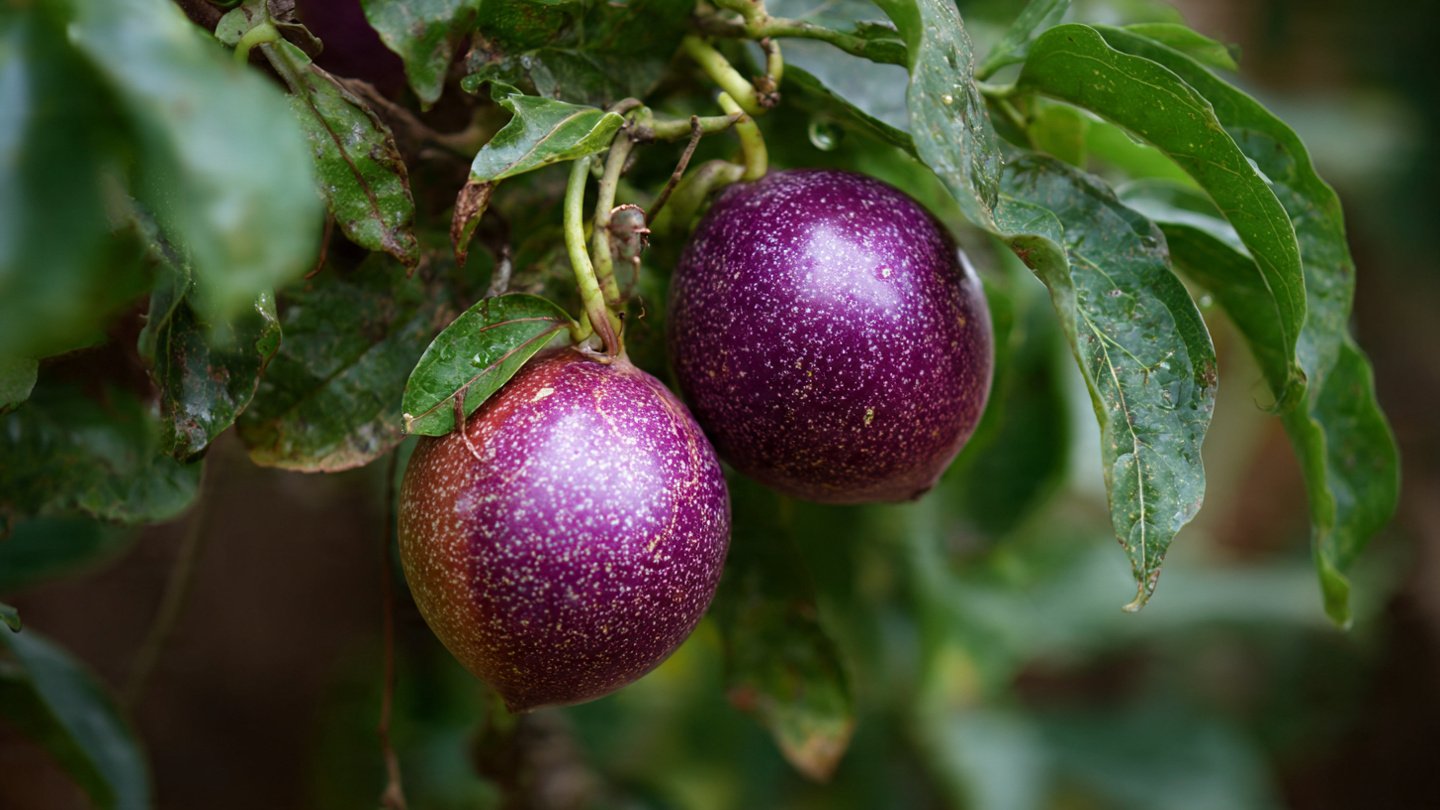
Passion fruit is a tropical delight known for its aromatic, tangy-sweet flavor and health benefits. Beyond its delicious pulp, the vibrant flowers of the passion fruit vine add ornamental charm to gardens, trellises, and balconies. While passion fruit vines are often purchased as seedlings or grafted plants, growing passion fruit from seed is a rewarding and educational way to cultivate your own tropical fruit vine at home.
This step-by-step guide will walk you through the process of growing passion fruit from seed, including seed selection, germination, planting, care, and harvesting, ensuring healthy growth and abundant fruit production.
Why Grow Passion Fruit from Seed?
Growing passion fruit from seed offers several benefits:
- Cost-Effective – Seeds are inexpensive compared to purchasing mature plants or grafted vines.
- Variety Choice – You can choose seeds from your favorite passion fruit variety, whether purple or yellow.
- Satisfaction – Watching a plant grow from seed to flowering and fruiting is highly rewarding.
- Adaptation – Plants grown from local seeds often adapt better to your climate.
- Educational Value – Perfect for gardeners and children to learn about plant growth.
Step 1: Selecting the Right Passion Fruit Seeds
Choosing high-quality seeds is crucial for successful growth:
- Fresh Seeds – Use seeds from fully ripe passion fruits for better germination rates.
- Variety Selection – Purple passion fruit (Passiflora edulis) is sweeter and more commonly grown, while yellow passion fruit (Passiflora edulis f. flavicarpa) produces larger fruits suitable for juice.
- Healthy Seeds – Avoid seeds that are shriveled or damaged.
Step 2: Preparing the Seeds for Germination
Passion fruit seeds have a hard outer coating that can benefit from pre-treatment to speed up germination:
- Cleaning Seeds – Remove pulp from seeds thoroughly and rinse them under running water.
- Soaking – Soak seeds in warm water for 24–48 hours to soften the outer coat and improve germination.
- Optional Scarification – Lightly rub seeds with sandpaper to break the seed coat, which helps water absorption.
These simple pre-treatments can significantly improve germination success and reduce waiting time.
Step 3: Choosing the Right Soil and Containers
Passion fruit seeds thrive in nutrient-rich, well-draining soil:
- Soil Mix – A mix of garden soil, compost, and sand (2:1:1 ratio) provides fertility and drainage.
- pH Level – Slightly acidic to neutral soil (pH 6–7) is ideal.
- Containers – Use seed trays, small pots, or polybags with drainage holes. Deep containers are recommended since passion fruit develops long taproots.
Using quality soil and proper containers sets the foundation for strong seedlings and healthy roots.
Step 4: Sowing the Seeds
Planting seeds properly ensures successful germination:
- Fill Containers – Fill pots or trays with prepared soil mix.
- Plant Seeds – Sow seeds ½ inch deep, covering them lightly with soil.
- Water Gently – Mist the soil to keep it evenly moist but not soggy.
- Provide Warmth and Light – Place containers in a warm spot with indirect sunlight. The ideal temperature for germination is 25–30°C (77–86°F).
Germination typically occurs within 2–4 weeks, but some seeds may take longer depending on conditions.
Step 5: Caring for Seedlings
Once the seeds sprout, proper care is crucial for strong growth:
- Light – Seedlings need bright, indirect sunlight. Avoid harsh direct sun, which can scorch young leaves.
- Watering – Keep soil consistently moist, but avoid overwatering, which can cause root rot.
- Fertilization – Use a diluted, balanced liquid fertilizer every 2–3 weeks to support growth.
- Thinning – If multiple seedlings grow close together, thin them to prevent overcrowding and allow each plant enough space to develop.
Healthy seedlings at this stage will be ready for transplanting in 6–8 weeks.
Step 6: Transplanting Seedlings
Once seedlings have 3–4 true leaves and a strong root system, they can be transplanted into larger pots or the garden:
- Timing – Transplant during early morning or late afternoon to minimize stress.
- Soil Preparation – Choose a well-draining spot with fertile soil, amended with compost or organic fertilizer.
- Spacing – Passion fruit vines need space to climb. Plant at least 6–8 feet apart for full-sized vines. Dwarf varieties or container-grown vines can be closer.
- Support Structures – Install trellises, fences, or stakes for the vines to climb, as passion fruit is a vigorous climber.
- Mulching – Apply mulch around the base to retain moisture and regulate soil temperature.
Step 7: Caring for Passion Fruit Vines
Passion fruit vines require regular care to thrive and produce abundant fruit:
1. Watering
- Young plants need regular watering to establish roots.
- Established vines require deep watering once or twice a week, depending on climate.
- Avoid waterlogging, which can cause root rot and fungal diseases.
2. Sunlight
- Passion fruit grows best in full sun for at least 6–8 hours per day.
- Partial shade is tolerated but may reduce flowering and fruiting.
3. Fertilization
- Apply balanced fertilizers or organic compost every 6–8 weeks.
- Include potassium and phosphorus for better flowering and fruit set.
4. Pruning
- Remove dead or weak branches to improve airflow and reduce disease risk.
- Prune vines after harvesting to manage size and encourage new growth.
5. Pest and Disease Management
- Common pests include aphids, mites, and fruit flies.
- Fungal diseases such as fusarium wilt and anthracnose can affect vines.
- Regular inspection, organic sprays, and proper spacing prevent infestations.
Step 8: Flowering and Fruit Development
Passion fruit vines typically flower 6–12 months after sowing from seed:
- Flowers – Beautiful, intricate flowers appear along the vine. Pollinators such as bees or hand pollination help ensure fruit set.
- Fruit Formation – Once pollinated, the flowers develop into oval or round fruits. Purple varieties are smaller and sweeter, while yellow varieties are larger and tangier.
- Fruit Maturity – Fruits usually ripen 70–80 days after flowering, depending on the variety. Ripe fruits fall naturally or change color, signaling readiness for harvest.
Step 9: Harvesting Passion Fruit
Knowing when and how to harvest ensures the best flavor:
- Timing – Harvest fruits when they turn their characteristic color (purple or yellow) and feel slightly heavy for their size.
- Method – Gently twist or cut the fruit from the vine to avoid damage.
- Storage – Store harvested fruits at room temperature for a few days or refrigerate for longer freshness.
Regular harvesting encourages the vine to continue flowering and producing fruit.
Tips for Growing Passion Fruit Successfully
- Use Fertile, Well-Drained Soil – Ensures strong root development and vigorous growth.
- Provide Adequate Support – Vines need trellises, fences, or stakes to grow upright.
- Mulch Regularly – Retains moisture and prevents weeds.
- Succession Planting – Sow seeds in intervals to ensure continuous harvests.
- Monitor Growth – Regularly inspect for pests, nutrient deficiencies, or disease to act early.
Benefits of Homegrown Passion Fruit
Growing passion fruit at home offers many advantages beyond fresh fruit:
- Nutritional Value – Rich in vitamins A, C, and antioxidants, supporting immunity and overall health.
- Culinary Uses – Perfect for juices, desserts, smoothies, and flavoring savory dishes.
- Ornamental Beauty – Intricate flowers and lush foliage enhance garden aesthetics.
- Sustainable Gardening – Reduces dependence on store-bought fruits, supporting a chemical-free harvest.
- Therapeutic Gardening – Caring for passion fruit vines is a relaxing and educational hobby.
Common Mistakes to Avoid
- Planting Seeds Too Deep – Seeds need only a thin soil covering.
- Neglecting Trellises – Without support, vines can sprawl uncontrollably, reducing flowering and fruiting.
- Overwatering – Excess moisture can rot roots and seeds.
- Ignoring Fertilization – Nutrient-poor soil slows growth and reduces fruit yield.
- Skipping Pollination – Inadequate pollination leads to poor fruit set.
Conclusion
Growing passion fruit from seed is a rewarding and cost-effective way to enjoy fresh, aromatic fruits at home. By selecting high-quality seeds, preparing the soil properly, providing the right care, and supporting the vines with trellises, even beginners can cultivate healthy passion fruit plants.
From germination to flowering and harvesting, each step requires patience, attention, and consistent care. The result is a vigorous vine that produces delicious fruits, enhances garden aesthetics, and offers numerous health benefits.
Whether grown in a backyard garden, on a trellis, or in containers on a balcony, homegrown passion fruit is a delightful addition to any home. Start today, and in a few months to a year, you’ll be enjoying your very own harvest of fresh, tangy-sweet passion fruits straight from your garden!