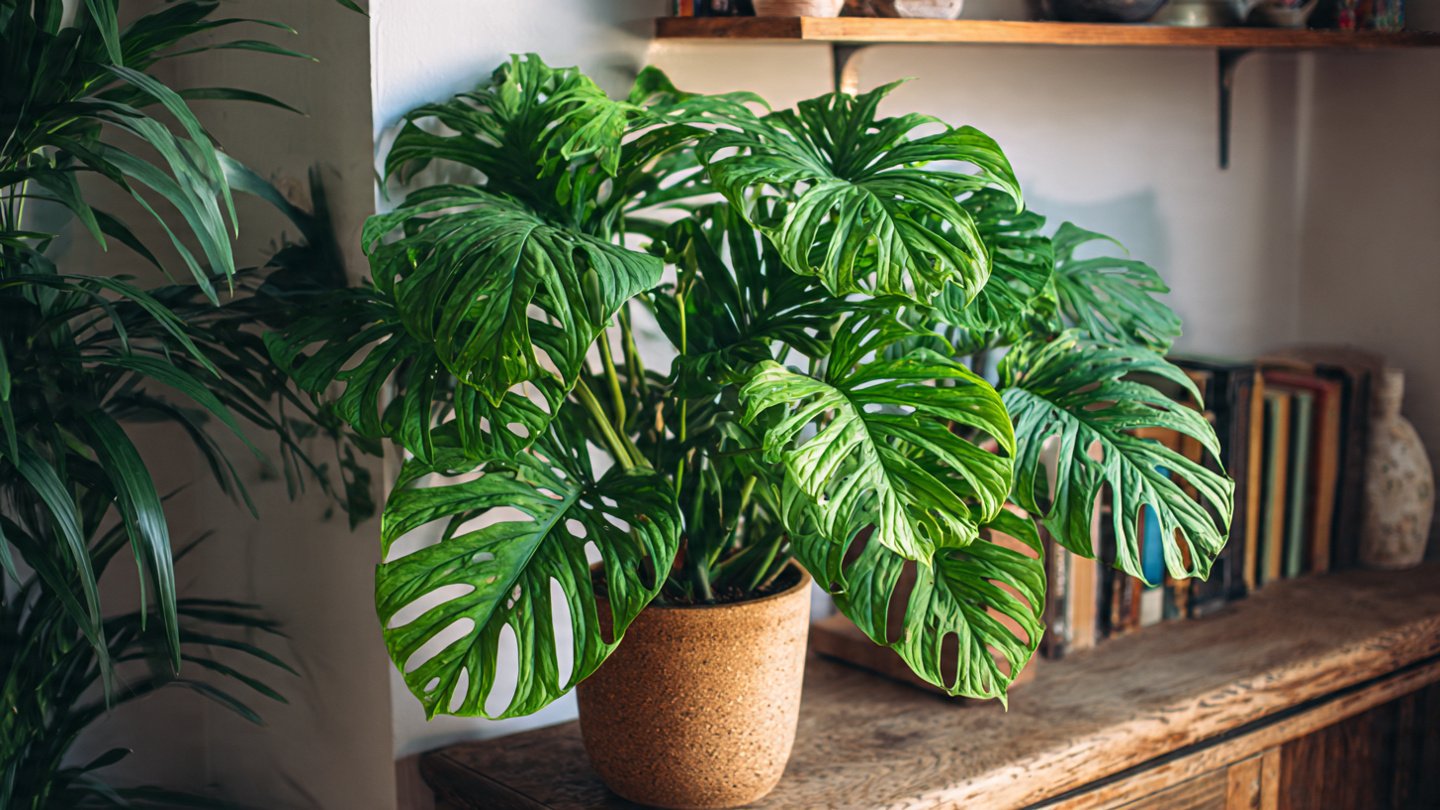
Few houseplants evoke as much fascination as Monstera obliqua. Known for its delicate, lace-like leaves and rarity, it’s a prized specimen among plant enthusiasts. Unlike the more common Monstera deliciosa, Monstera obliqua is extremely slow-growing and requires meticulous care to thrive indoors. However, with the right approach, this rare beauty can flourish in your home, becoming the centerpiece of any plant collection. In this guide, we’ll cover everything you need to know to grow Monstera obliqua indoors, from lighting and humidity to watering, soil, and propagation.
Understanding Monstera Obliqua
Monstera obliqua is a tropical plant native to Central and South America. It is characterized by:
- Fenestrated Leaves: Its leaves are incredibly perforated, sometimes appearing almost skeletal.
- Rare Growth Pattern: The plant grows slowly and can remain small for years.
- Climbing Habit: Monstera obliqua naturally climbs trees using aerial roots.
Due to its rarity, Monstera obliqua is often confused with Monstera adansonii, which has similar perforated leaves but is far easier to grow. True M. obliqua is smaller, with thinner leaves and more delicate stems. Understanding these differences helps ensure you provide the right care.
Step 1: Choosing the Right Location Indoors
Monstera obliqua thrives in bright, indirect light:
- Avoid Direct Sunlight: Harsh sunlight can scorch delicate leaves. Filtered light from a north or east-facing window is ideal.
- Artificial Lighting: If natural light is insufficient, use a full-spectrum grow light for 10–12 hours a day.
- Temperature Range: Maintain temperatures between 65°F–80°F (18°C–27°C). Avoid cold drafts or sudden temperature fluctuations, which can stress the plant.
Providing consistent, bright, indirect light is crucial to encourage healthy leaf development and slow, steady growth.
Step 2: Selecting the Right Container
Monstera obliqua prefers slightly snug containers that retain moisture without waterlogging:
- Pot Size: Start with a small to medium-sized pot to prevent overwatering and encourage root development.
- Drainage: Ensure the container has drainage holes. Waterlogged soil can quickly lead to root rot.
- Material: Terra cotta pots allow air circulation but dry out faster. Plastic or glazed ceramic pots retain moisture longer, which is helpful for beginners.
Using the right pot type balances soil moisture and provides stability for this climbing plant.
Step 3: Preparing the Soil
Monstera obliqua needs well-draining, nutrient-rich soil:
- Potting Mix: Use a mix of peat moss, orchid bark, perlite, and a touch of activated charcoal. This replicates the airy, loose soil found in its natural tropical habitat.
- Moisture Retention vs. Drainage: The soil should retain some moisture but allow excess water to drain freely.
- Fertilization: Add slow-release organic fertilizer or mix in worm castings to provide steady nutrients.
Experts emphasize that soil quality is critical—dense or heavy soils hinder root growth and increase the risk of rot.
Step 4: Watering Properly
Watering Monstera obliqua is delicate due to its thin stems and slow growth:
- Check Soil Moisture: Allow the top 1–2 inches of soil to dry out between waterings. Stick your finger into the soil to gauge moisture.
- Watering Method: Water thoroughly until excess drains from the bottom. Avoid letting the plant sit in water.
- Humidity Matters: High humidity (60–80%) mimics its tropical environment and prevents leaf drying. Consider a humidifier or pebble tray with water.
Overwatering is one of the most common mistakes with Monstera obliqua. Slow, consistent watering promotes healthy roots and foliage.
Step 5: Supporting Its Climbing Habit
As a natural climber, Monstera obliqua thrives with support:
- Moss Poles: Encourage aerial roots to attach for stability and nutrient absorption.
- Trellises: Lightweight trellises allow vertical growth without overwhelming delicate stems.
- Soft Plant Ties: Use soft plant ties to gently secure the stem to support structures.
Providing vertical support mimics its natural growth habit and helps the plant develop larger leaves over time.
Step 6: Fertilizing and Nutrient Management
Due to its slow growth, Monstera obliqua does not require frequent fertilization, but it benefits from occasional feeding:
- Frequency: Fertilize once a month during the growing season (spring and summer).
- Type: Use a balanced, water-soluble fertilizer diluted to half strength. Organic fertilizers, such as compost tea, are ideal for maintaining soil health.
- Avoid Overfertilizing: Too much fertilizer can burn delicate roots and leaves.
Proper nutrition supports steady growth without stressing the plant.
Step 7: Pruning and Maintenance
Maintaining Monstera obliqua’s delicate foliage requires careful pruning:
- Remove Dead or Yellow Leaves: This improves air circulation and prevents disease.
- Trim Leggy Growth: Cut back excessively long vines to encourage bushier growth.
- Aerial Root Management: Aerial roots can be guided along support or trimmed if needed, but avoid excessive removal.
Regular maintenance ensures your Monstera remains attractive and healthy indoors.
Step 8: Propagation
Propagation of Monstera obliqua is challenging due to its rarity but rewarding:
- Stem Cuttings: Select a healthy node with at least one leaf and aerial root.
- Water Propagation: Place cuttings in filtered water until roots develop, then transfer to soil.
- Soil Propagation: Root directly in a well-draining soil mix with high humidity.
- Patience Is Key: Growth is extremely slow, and leaf development may take months.
Propagation is a delicate process, but it allows you to expand your indoor Monstera collection.
Step 9: Controlling Pests and Diseases
Despite being indoors, Monstera obliqua can face pests or diseases:
- Common Pests: Spider mites, mealybugs, and scale insects. Treat with insecticidal soap or neem oil.
- Root Rot Prevention: Avoid overwatering and ensure proper drainage.
- Fungal Issues: Maintain good air circulation and reduce excessive humidity on leaves to prevent mold or mildew.
Vigilance is essential for keeping this rare plant thriving indoors.
Step 10: Patience and Expectations
Monstera obliqua grows slowly and requires patience:
- Leaf Development: Expect fewer leaves than a Monstera deliciosa of the same age.
- Size: The plant often remains small for years indoors.
- Long-Term Care: With consistent light, humidity, and support, it rewards dedication with stunning, perforated foliage.
Understanding its natural growth patterns helps set realistic expectations for indoor cultivation.
Expert Tips for Success
- Use a Humidifier: Helps maintain tropical conditions indoors.
- Rotate Plants: Turn occasionally to ensure even light exposure.
- Avoid Drafts: Keep away from air conditioners, heaters, and cold windows.
- Clean Leaves Gently: Use a damp cloth to remove dust and improve photosynthesis.
- Track Growth: Keep notes on watering, light, and fertilization to adjust care routines.
Experts emphasize consistency and attention to detail as the keys to success with this rare plant.
Conclusion
Growing Monstera obliqua indoors is both challenging and rewarding. Its delicate, perforated leaves and climbing habit make it a standout addition to any plant collection. By providing bright, indirect light, well-draining soil, consistent moisture, high humidity, and gentle support for climbing, you can cultivate this rare tropical beauty in your home.
Patience is essential—Monstera obliqua grows slowly, and leaf development may take months, but the results are stunning. With careful care, proper pruning, and occasional fertilization, this exquisite plant will not only survive indoors but thrive, becoming a conversation piece and centerpiece in your home.
For plant enthusiasts, mastering Monstera obliqua care is a satisfying journey that rewards patience, attention to detail, and dedication. With the guidance provided, you can nurture this rare tropical gem and enjoy its intricate beauty year-round.