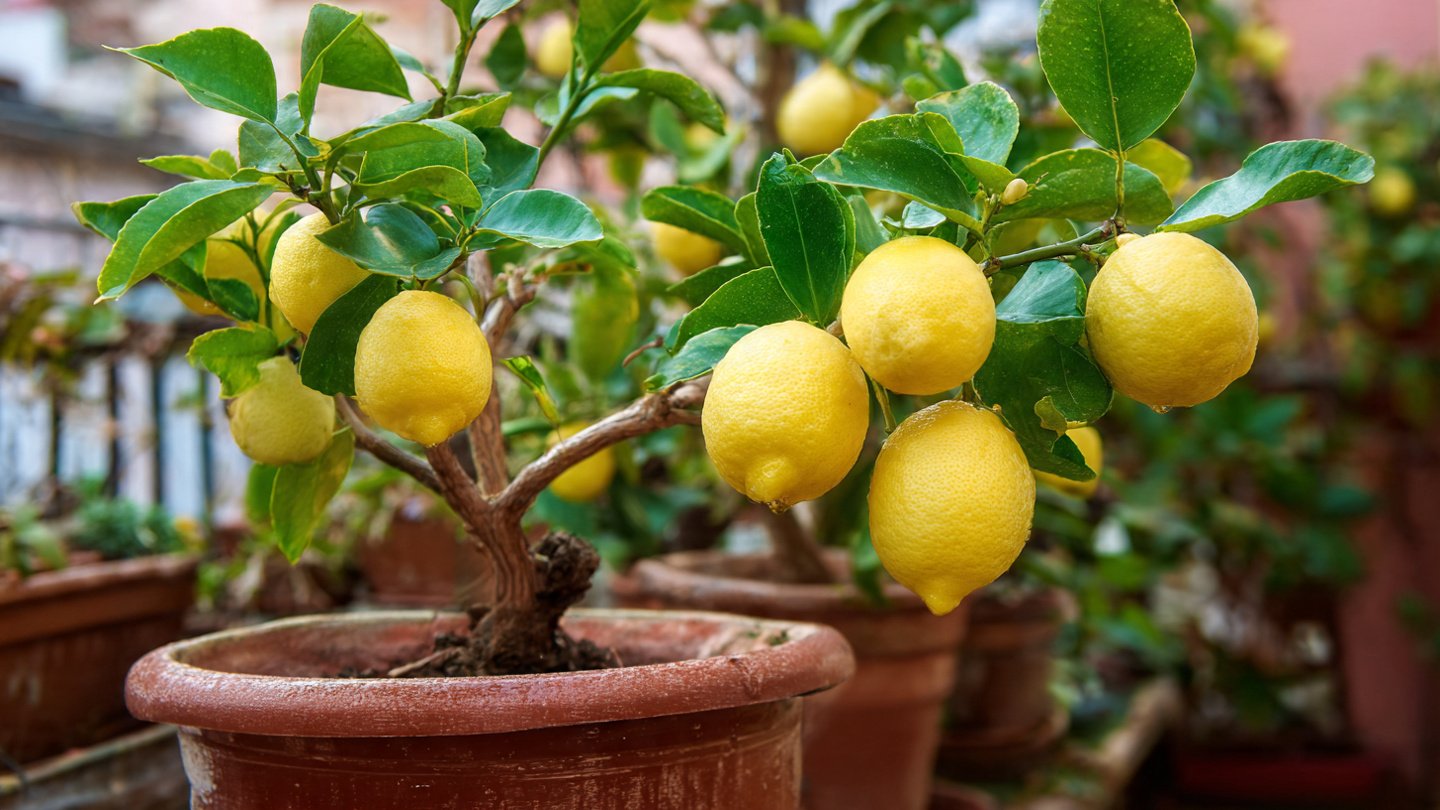
Growing lemons in containers on a balcony garden is a rewarding experience that combines the joy of gardening with the practicality of limited space. Lemon trees are not only visually appealing with their glossy leaves and fragrant blossoms, but they also provide fresh, zesty fruit perfect for culinary and beverage uses. While they are traditionally grown in gardens or orchards, lemon trees can thrive in containers with the right care, making them ideal for urban dwellers. This guide will walk you through everything you need to know to successfully grow lemons on your balcony.
Choosing the Right Lemon Variety
The first step in container gardening is selecting a lemon variety suited for pots. Not all lemon trees are ideal for container growth, so choosing a dwarf or semi-dwarf variety is crucial. Some popular options include:
- Meyer Lemon: A favorite for container gardening, Meyer lemons are smaller, sweeter, and more cold-tolerant than traditional lemons. Their compact size and continuous flowering make them perfect for balconies.
- Ponderosa Lemon: This variety produces large, juicy lemons and is adaptable to container life, though it may require pruning to manage its size.
- Improved Lisbon Lemon: Known for its high fruit production and adaptability, Lisbon lemons are hardy but slightly larger than Meyer lemons.
When selecting a tree, consider your climate, the amount of sunlight your balcony receives, and the space you have for growth.
Choosing the Right Container
Container choice is critical for lemon tree health. Lemon trees have deep root systems, and in containers, they need enough room to grow without becoming root-bound. Here are some tips:
- Size: Start with a pot at least 18–24 inches in diameter for young trees. Mature trees may require containers up to 30 inches wide.
- Material: Terra cotta pots are ideal because they are porous and allow airflow to the roots, preventing overwatering issues. Plastic or resin pots retain moisture longer, which can be beneficial in hot, dry climates.
- Drainage: Ensure the pot has multiple drainage holes. Lemon trees are prone to root rot if water accumulates at the bottom. Adding a layer of gravel or broken pottery at the base can improve drainage.
Soil Requirements
Lemon trees require well-draining soil with good fertility. For container planting, a high-quality potting mix designed for citrus or indoor fruit trees is recommended. Avoid using garden soil, which can be too heavy and may compact over time. A mix that combines peat moss, perlite, and compost works well to retain moisture while ensuring adequate drainage. The ideal pH for lemon trees is slightly acidic, between 5.5 and 6.5.
Planting Your Lemon Tree
Once you have your container and soil ready, it’s time to plant your lemon tree. Follow these steps:
- Prep the container: Place a layer of gravel or small stones at the bottom to aid drainage.
- Add soil: Fill the pot about one-third with your chosen potting mix.
- Plant the tree: Remove the lemon tree from its nursery container and gently loosen the roots. Place the tree in the center of the pot, ensuring the root crown is slightly above the soil line.
- Fill in soil: Add more potting mix around the roots, pressing lightly to remove air pockets. Avoid compacting the soil too tightly.
- Water thoroughly: Give the tree a deep watering to settle the soil.
Placement and Sunlight
Lemon trees require full sun for optimal growth and fruit production, ideally 6–8 hours of direct sunlight daily. On a balcony, position your container where it will receive maximum sunlight, preferably on the south or west side. If your balcony is shaded, consider supplementing with grow lights to ensure the tree gets enough energy to produce fruit.
Watering
Watering container-grown lemon trees requires a careful balance. Overwatering can lead to root rot, while underwatering stresses the tree and reduces fruit yield. Some key points:
- Check soil moisture: Stick your finger 1–2 inches into the soil; if it feels dry, it’s time to water.
- Deep watering: Water thoroughly until water drains from the bottom of the container.
- Frequency: In hot weather, container trees may need watering every 2–3 days. In cooler months, reduce watering to once a week.
Using mulch on the soil surface can help retain moisture and regulate temperature. Organic mulch like bark or compost is ideal.
Fertilizing
Lemon trees are heavy feeders and require regular fertilization, especially when grown in containers. Use a balanced, slow-release fertilizer formulated for citrus trees. Here’s a guideline:
- Frequency: Feed young trees every 6–8 weeks during the growing season. Mature trees can be fed every 8–10 weeks.
- Nutrients: Look for a fertilizer with nitrogen, phosphorus, potassium, and micronutrients like magnesium, iron, and zinc.
- Application: Follow the instructions on the fertilizer package. Avoid over-fertilizing, which can burn roots and damage the tree.
Organic options like compost tea or fish emulsion are also beneficial for container lemon trees.
Pruning
Pruning helps maintain the size of your lemon tree, encourages airflow, and increases fruit production. Prune your tree lightly once or twice a year, removing:
- Dead or diseased branches
- Suckers growing from the base
- Overcrowded or crossing branches
Avoid heavy pruning during the flowering or fruiting season, as this can reduce yield.
Pollination
Most lemon trees are self-pollinating, but balcony-grown trees may need a little help. If your tree flowers but doesn’t set fruit, hand-pollination can be effective. Use a small paintbrush or cotton swab to transfer pollen from flower to flower.
Pest and Disease Management
Container-grown lemon trees are generally less prone to pests than ground-planted trees, but they can still encounter issues such as:
- Aphids: Small, green insects that cluster on new growth. Spray with insecticidal soap.
- Spider mites: Tiny red or yellow spots on leaves. Increase humidity and use miticides if necessary.
- Scale insects: Hard, brown bumps on stems and leaves. Remove manually or treat with horticultural oil.
Regular inspection of leaves and stems can catch problems early. Maintaining healthy watering and fertilization practices also reduces the risk of disease.
Winter Care
Lemon trees are sensitive to frost and cold temperatures. On a balcony, they may need protection during winter:
- Move indoors: If temperatures drop below 50°F (10°C), bring your tree inside near a sunny window.
- Covering: If moving indoors is not possible, use frost cloths or blankets to protect the tree at night.
- Reduce watering: In winter, lemon trees go semi-dormant and require less water.
Harvesting Lemons
Knowing when to harvest is key to enjoying your homegrown lemons. Lemons are usually ready to pick when they are fully yellow and slightly soft to the touch. Do not wait until they turn completely orange, as this indicates over-ripeness. Twist or cut the fruit from the branch gently to avoid damaging the tree.
Benefits of Growing Lemons on a Balcony
Growing lemons in containers offers several advantages:
- Fresh produce: Enjoy homegrown, chemical-free lemons year-round.
- Aromatic flowers: Lemon blossoms add a pleasant fragrance to your balcony.
- Aesthetic appeal: Lemon trees enhance the visual appeal of any balcony garden.
- Compact gardening: Perfect for urban dwellers with limited space.
Conclusion
Growing lemons in containers on a balcony is not only feasible but also highly rewarding. With careful selection of varieties, proper container and soil management, consistent watering, and regular fertilization, your balcony can become a mini citrus orchard. By providing the right care and attention, you can enjoy fragrant blossoms, lush foliage, and fresh lemons all year round, even in an urban setting. Whether for culinary use, decoration, or simply the joy of gardening, container-grown lemon trees are a delightful addition to any balcony garden.