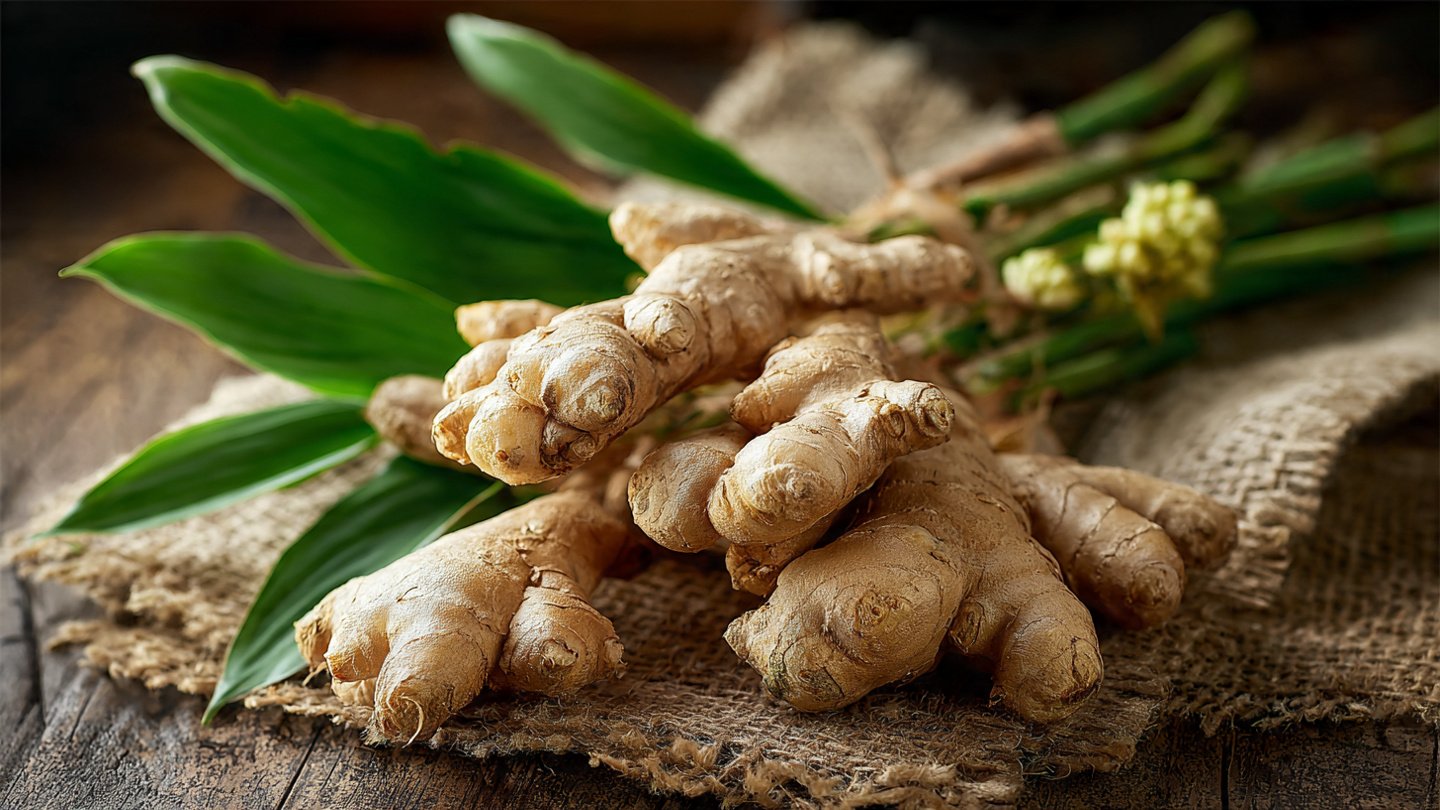
Ginger is one of those magical plants that sits right at the crossroads of flavor, medicine, and easy home gardening. Used for thousands of years in Asian, African, and Middle Eastern cultures, ginger is prized for its spicy warmth, healing properties, and versatility in the kitchen. The best part? You don’t need a large garden—or even outdoor space—to grow it.
Whether you’re interested in healthier cooking, natural remedies, or simply love growing your own food, learning how to grow ginger at home is easier than you might think. In this guide, we’ll explore ginger’s health benefits, common uses, and step-by-step cultivation tips so you can enjoy fresh ginger straight from your home.
What Is Ginger?
Ginger (Zingiber officinale) is a tropical perennial plant grown for its rhizome, commonly called ginger root. Unlike traditional roots, rhizomes grow horizontally underground and send up leafy shoots above the soil.
Ginger thrives in warm, humid conditions and is surprisingly adaptable, making it perfect for containers, balconies, windowsills, and backyard gardens.
Health Benefits of Ginger
One of the main reasons ginger is so popular worldwide is its impressive list of health benefits.
1. A Powerful Digestive Aid
Ginger has long been used to relieve indigestion, bloating, and gas. It stimulates digestive enzymes, helping food move more efficiently through the stomach.
2. Reduces Nausea and Motion Sickness
Fresh ginger is widely known for easing nausea caused by pregnancy, travel, chemotherapy, and stomach flu. Even a small amount can be effective.
3. Natural Anti-Inflammatory
Ginger contains compounds called gingerols, which have strong anti-inflammatory and antioxidant properties. These may help reduce muscle soreness, joint pain, and arthritis symptoms.
4. Supports Immune Health
Thanks to its warming nature and antimicrobial effects, ginger is commonly used in teas and remedies to fight colds, coughs, and sore throats.
5. Helps Regulate Blood Sugar
Some studies suggest ginger may improve insulin sensitivity and help regulate blood sugar levels when used as part of a balanced diet.
Common Uses of Ginger at Home
Once you start growing ginger, you’ll find countless ways to use it.
- Cooking: Curries, stir-fries, soups, sauces, marinades, and baked goods
- Beverages: Ginger tea, detox water, smoothies, and juices
- Home Remedies: Cold and flu teas, digestive tonics, and anti-nausea drinks
- Preserved Forms: Pickled ginger, ginger paste, dried ginger powder
Fresh homegrown ginger is more aromatic and flavorful than store-bought varieties, making a noticeable difference in your dishes.
Can You Grow Ginger at Home?
Absolutely. Ginger is one of the easiest edible plants to grow, especially in containers. It doesn’t require full sun, grows well indoors, and needs minimal maintenance.
You can grow ginger:
- In pots or containers
- On balconies or terraces
- Indoors near a bright window
- In garden beds in warm climates
How to Grow Ginger at Home: Step-by-Step Guide
Step 1: Choose the Right Ginger Root
Buy fresh, organic ginger from a grocery store or nursery. Look for:
- Plump, firm rhizomes
- Visible growth buds (“eyes”)
- No mold, wrinkles, or rot
Organic ginger is preferred because non-organic roots are sometimes treated with growth inhibitors.
Step 2: Prepare the Ginger for Planting
Soak the ginger rhizome in warm water for 8–12 hours to remove any inhibitors.
If the rhizome is large, cut it into pieces—each with at least one healthy bud.
Let the cut pieces dry for a few hours before planting to prevent rot.
Step 3: Select the Right Pot and Soil
Choose a wide, shallow pot since ginger spreads horizontally.
Ideal soil mix:
- Loose, well-draining potting soil
- Rich in organic matter
- Slightly acidic to neutral pH
Adding compost or coco peat improves moisture retention without waterlogging.
Step 4: Planting the Ginger
- Place the ginger piece bud-side up
- Bury it about 2–5 cm (1–2 inches) deep
- Space pieces at least 15 cm apart
Water lightly after planting.
Step 5: Light and Temperature Requirements
Ginger prefers:
- Bright indirect sunlight
- Warm temperatures between 20–30°C (68–86°F)
Avoid harsh direct sun, which can scorch the leaves.
Step 6: Watering and Care
- Keep soil consistently moist, not soggy
- Water when the topsoil feels dry
- Avoid overwatering to prevent root rot
Mulching helps retain moisture and maintain warmth.
Step 7: Fertilizing
Feed ginger every 3–4 weeks using:
- Compost
- Vermicompost
- Organic liquid fertilizer
Avoid chemical fertilizers for healthier, edible roots.
Growing Ginger Indoors
Ginger grows exceptionally well indoors. Place the pot near a sunny window or in a warm corner. Ensure good airflow and rotate the pot occasionally for even growth.
Indoor ginger plants also add a lush, tropical look to your home.
When and How to Harvest Ginger
Harvesting Young Ginger
You can harvest tender ginger after 3–4 months. Gently dig around the edges and cut off small sections while allowing the plant to continue growing.
Harvesting Mature Ginger
Full maturity takes about 8–10 months.
- Leaves begin to yellow and die back
- Stop watering for a week
- Gently dig up the entire plant
Wash, dry, and store the harvested ginger.
Storing Homegrown Ginger
- Refrigerator: Store fresh ginger in an airtight bag for up to 3 weeks
- Freezer: Freeze whole or grated ginger for long-term use
- Drying: Slice and sun-dry or oven-dry for ginger powder
Common Problems and Solutions
- Yellow leaves: Overwatering or poor drainage
- Slow growth: Lack of warmth or nutrients
- Rotting rhizomes: Excess moisture or compact soil
Adjust care conditions and ginger will bounce back quickly.
Why You Should Grow Ginger at Home
Growing ginger at home saves money, reduces reliance on store-bought produce, and ensures chemical-free, ultra-fresh roots. It’s beginner-friendly, space-efficient, and incredibly rewarding.
With minimal effort, you can enjoy a steady supply of ginger for cooking, wellness, and home remedies—all while adding greenery to your living space.
Final Thoughts
Learning how to grow ginger at home is a simple step toward healthier living and sustainable gardening. With its powerful health benefits, endless culinary uses, and easy cultivation, ginger is a must-have plant for every home gardener.
Once you harvest your first batch, you’ll never want to go back to store-bought ginger again