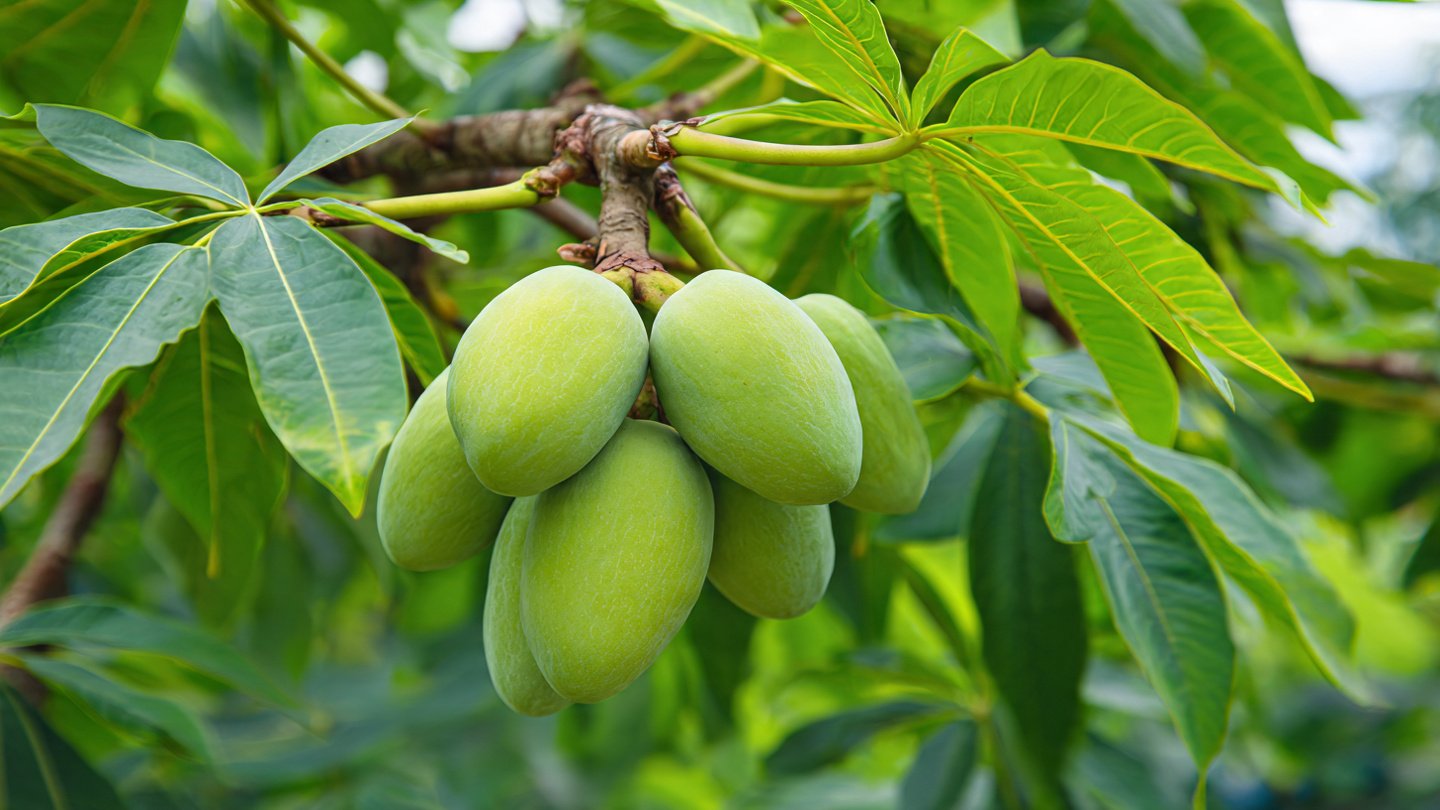
The pawpaw (Asimina triloba), often called the “American tropical fruit,” is a unique native fruit tree that produces custard-like, sweet fruits with a tropical flavor. While commonly associated with warmer climates, several cold-tolerant pawpaw varieties thrive in colder regions, making them a perfect choice for backyard orchards across much of North America.
If you’ve ever dreamed of harvesting these exotic-tasting fruits in your own garden, understanding cold-hardy varieties, proper planting techniques, and care strategies is essential. This comprehensive guide will help you grow a thriving pawpaw orchard, even in areas with harsh winters.
Why Choose Cold-Tolerant Pawpaw Varieties?
Pawpaws are naturally native to the eastern United States, often found along riverbanks and floodplains. While they are hardy trees, some varieties struggle with frost during flowering or winter damage. Cold-tolerant pawpaws are specifically bred or naturally adapted to withstand lower temperatures and late spring frosts.
Benefits of cold-tolerant pawpaw varieties:
- Survive winters as low as -25°C (-13°F)
- Resist frost damage during early spring flowering
- Produce reliable yields in northern climates
- Suitable for small backyard orchards and container growing
Popular Cold-Tolerant Pawpaw Varieties
Selecting the right variety is the first step toward a successful orchard. Here are some cold-hardy options:
1. ‘Sunflower’
- Extremely hardy, tolerates northern climates
- Produces large, sweet fruits with creamy texture
- Vigorous grower with upright habit
2. ‘Wells’
- Cold-tolerant and disease-resistant
- Fruits are medium to large, excellent for fresh eating
- Compact tree suitable for backyard orchards
3. ‘Shenandoah’
- Well-suited for zones 5–7
- High fruit quality, strong flavor
- Reliable producer with moderate growth
4. ‘NC-1’
- Bred for northern climates
- Large fruit with tropical flavor
- Tolerates colder winters and late frosts
Selecting a variety suited for your USDA hardiness zone increases the chances of survival and fruit production.
Site Selection for a Backyard Pawpaw Orchard
Pawpaws prefer partial shade when young but grow well in full sun once established. Choosing the right site can make a significant difference for cold-hardy pawpaw success.
Key considerations:
- Soil: Well-draining, loamy soil with slightly acidic pH (5.5–7)
- Drainage: Avoid low-lying areas prone to waterlogging
- Sunlight: 4–6 hours of morning sun is ideal; afternoon shade protects young trees
- Protection: Plant near a windbreak or fence to shield from strong winter winds
Good site selection ensures healthy growth, strong roots, and reliable fruiting in colder climates.
Planting Pawpaw Trees Step by Step
Planting pawpaw trees correctly sets the foundation for a productive orchard.
Step 1: Choose Healthy Saplings or Seeds
- Nursery saplings are recommended for faster fruiting
- Seed-grown pawpaws can be planted after stratification
Step 2: Prepare the Soil
- Loosen the soil to a depth of 12–18 inches
- Incorporate compost or aged manure for fertility
- Ensure the site is free of competing weeds
Step 3: Planting Technique
- Dig a hole twice the width of the root ball
- Place the tree, ensuring the root collar is at soil level
- Backfill with soil and gently tamp
- Water thoroughly to settle the soil
Spacing is important: plant trees 10–15 feet apart to allow for canopy growth.
Pollination Tips for Pawpaw Orchards
Pawpaws are not self-pollinating, so planting multiple trees of different varieties is necessary for fruit set.
Pollination strategies:
- Plant two or more varieties in proximity
- Encourage pollinators such as bees; pawpaw flowers produce a faint, fruity scent
- Hand pollination can improve yields, especially in backyard orchards
For hand pollination, use a soft paintbrush or cotton swab to transfer pollen from one flower to another.
Watering and Soil Moisture Management
Pawpaws require consistent moisture, especially during the first few years.
Watering guidelines:
- Keep soil consistently moist but not waterlogged
- Deep watering encourages strong root growth
- Mulch around the base of young trees to retain moisture and moderate soil temperature
During drought periods, supplemental watering ensures fruit development and tree health.
Fertilization for Cold-Hardy Pawpaw Trees
Balanced nutrition supports growth, flowering, and fruiting.
Fertilization tips:
- Apply slow-release, nitrogen-rich fertilizer in early spring
- Supplement with organic compost or aged manure
- Avoid over-fertilization, which can encourage leaf growth at the expense of flowers
Regular soil testing helps tailor fertilization to your orchard’s specific needs.
Pruning and Tree Shaping
Pawpaws naturally develop a multi-trunk habit. Minimal pruning is usually required but proper shaping improves fruiting and tree health.
Pruning Tips:
- Remove dead, diseased, or crossing branches in late winter
- Thin interior branches to improve air circulation and sunlight penetration
- Maintain a single dominant trunk if desired for structure
Pruning young trees helps establish a strong framework and reduces winter damage.
Protecting Pawpaw Trees in Cold Climates
Even cold-tolerant varieties benefit from some winter protection during extreme conditions.
Protection strategies:
- Mulch heavily around the root zone to insulate soil
- Use frost cloth or row covers for young trees during late spring frosts
- Plant near structures or windbreaks to reduce exposure
These measures minimize frost damage to flower buds and young growth.
Pest and Disease Management
Pawpaws are relatively pest-resistant but can face occasional problems.
Common Issues:
- Pawpaw peduncle borer – larvae can damage flowers
- Leaf spot – fungal infections in humid climates
- Scale insects or aphids – minor infestations
Management Tips:
- Inspect trees regularly for pests
- Apply neem oil or insecticidal soap when necessary
- Maintain good sanitation by removing fallen fruit and leaves
Healthy trees with proper care are less prone to pest and disease problems.
Harvesting and Enjoying Pawpaws
Pawpaw fruits are ready to harvest when they develop a slight yellowish hue and soften slightly to the touch.
Harvest tips:
- Pick fruits carefully to avoid bruising
- Consume soon after harvest; pawpaws have a short shelf life
- Refrigerate for a few days to extend freshness
Pawpaws can be eaten fresh or used in desserts, smoothies, and baked goods. Their tropical flavor is often compared to mango, banana, and custard.
Creating a Thriving Backyard Pawpaw Orchard
Combining all of the above steps will help you create a successful, cold-tolerant pawpaw orchard. Key points to remember:
- Select cold-hardy varieties suited for your region
- Plant in well-draining, fertile soil with adequate sunlight
- Ensure cross-pollination by planting multiple varieties
- Water consistently and fertilize appropriately
- Provide minimal but strategic pruning and winter protection
- Monitor for pests and diseases, intervening early
With patience and care, your backyard orchard will thrive and reward you with unique, delicious fruits for years to come.
Final Thoughts
Growing pawpaw trees in cold climates is entirely possible with the right variety selection and care practices. Cold-tolerant pawpaw varieties make it easier than ever to enjoy this uniquely American fruit in a backyard orchard. By following the steps in this guide, home gardeners can experience the joy of planting, nurturing, and harvesting their own pawpaws—adding both beauty and edible value to their landscape.
Whether you’re a seasoned gardener or a beginner, cold-hardy pawpaw trees offer a fascinating journey from tiny saplings to fruit-laden trees, enriching your garden with flavor, fragrance, and natural charm.