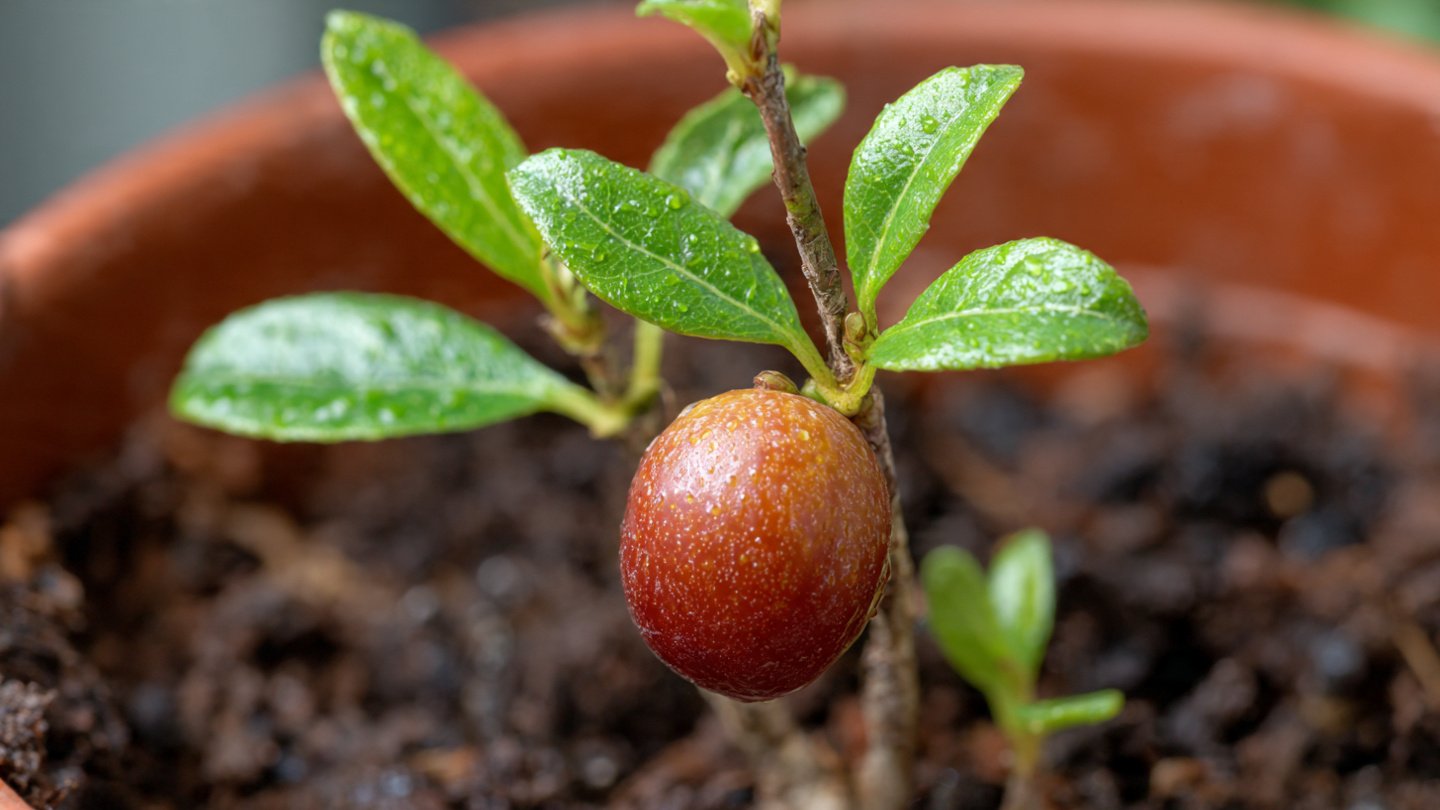
Chinese jujube (Ziziphus jujuba), also known as red date, is a hardy fruit tree prized for its sweet, apple-like fruits, medicinal value, and drought tolerance. While many gardeners prefer grafted plants for faster fruiting, growing Chinese jujube from seeds is deeply rewarding and surprisingly achievable when done correctly. With the right techniques, you can significantly improve germination speed and support strong early growth.
This complete guide covers everything you need to know—from seed selection and preparation to germination tricks and early care—so you can grow Chinese jujube successfully from seed.
Why Grow Chinese Jujube from Seeds?
Growing jujube from seed has several advantages, especially for home gardeners and plant enthusiasts.
Benefits include:
- Low-cost propagation
- Strong, adaptable root systems
- Better tolerance to local climate and soil
- Ideal for bonsai, rootstock, or experimentation
- Long-living and resilient trees
Although seed-grown trees may take longer to fruit, they are often more vigorous and hardy.
Understanding Chinese Jujube Seeds
Chinese jujube seeds are enclosed in a hard stone (pit), similar to olives or dates. This hard shell is the main reason for slow or poor germination if seeds are planted directly without preparation.
Key characteristics:
- Tough outer shell prevents water penetration
- Natural dormancy requires breaking or bypassing
- Fresh seeds germinate better than old ones
To grow jujube from seeds fast, proper seed treatment is essential.
Step 1: Selecting and Collecting Seeds
You can collect seeds from fresh, ripe Chinese jujube fruits.
How to collect seeds:
- Choose fully ripe, dark red or brown fruits
- Remove the flesh completely
- Wash the pits thoroughly
- Air-dry for 1–2 days
Avoid damaged or immature fruits, as they often contain non-viable seeds.
Step 2: Breaking Seed Dormancy (Most Important Step)
This step determines your success rate.
Method 1: Cracking the Seed Shell (Fastest)
This is the most reliable method for quick germination.
Steps:
- Use a nutcracker or pliers
- Gently crack the hard shell
- Remove the inner seed carefully
- Do not crush the seed
Once exposed, the seed can germinate in 7–14 days.
Method 2: Soaking Without Cracking (Slower)
If cracking feels risky:
- Soak whole pits in warm water for 48–72 hours
- Change water daily
- Plant immediately after soaking
This method may take 3–6 weeks to germinate.
Step 3: Best Time to Sow Jujube Seeds
Chinese jujube seeds germinate best in warm conditions.
Ideal timing:
- Spring to early summer
- Soil temperature: 20–30°C (68–86°F)
In cooler climates, start seeds indoors.
Step 4: Preparing the Right Growing Medium
Well-draining soil is critical for jujube seedlings.
Ideal soil mix:
- 40% garden soil
- 30% compost or vermicompost
- 20% sand or perlite
- 10% coco peat
The mix should be loose, airy, and moisture-retentive without becoming soggy.
Step 5: Sowing the Seeds Correctly
Proper planting depth ensures quick sprouting.
How to sow:
- Fill seed trays or small pots with soil mix
- Plant seeds 1–2 cm deep
- Cover lightly with soil
- Water gently
- Place in a warm, bright location
Do not bury seeds too deep, as this delays emergence.
Step 6: Germination Conditions for Fast Results
To speed up germination, create ideal conditions.
Key requirements:
- Warm temperature (use heat mat if needed)
- Bright indirect sunlight
- Consistent moisture (not wet soil)
- Good airflow
Covering pots loosely with plastic can help retain humidity but remove it once seedlings emerge.
How Long Does Germination Take?
- Cracked seeds: 7–14 days
- Soaked whole seeds: 3–6 weeks
- Untreated seeds: Up to 3 months or more
Fast germination depends almost entirely on proper seed preparation.
Step 7: Caring for Young Jujube Seedlings
Once seedlings appear, early care is crucial.
Light:
- Bright sunlight for 6–8 hours daily
- Gradually introduce direct sun
Watering:
- Water when topsoil feels dry
- Avoid waterlogging
Temperature:
- Warm conditions encourage rapid growth
- Protect from cold drafts
Jujube seedlings are tough but benefit from gentle handling early on.
Step 8: Fertilizing During Early Growth
Seedlings don’t need heavy feeding initially.
Feeding schedule:
- First 4–6 weeks: no fertilizer
- After 6 weeks: diluted liquid compost or seaweed extract
- Apply once every 2–3 weeks
Avoid chemical fertilizers at this stage—they can burn young roots.
Step 9: Transplanting Seedlings
When seedlings reach 10–15 cm in height, they are ready for transplanting.
Transplant tips:
- Choose deep pots or open ground
- Handle roots gently
- Transplant in the evening or cloudy day
- Water thoroughly after transplanting
Jujube trees develop deep roots, so avoid shallow containers long-term.
Step 10: Early Growth Expectations
Chinese jujube grows steadily but not aggressively in the first year.
What to expect:
- Slow initial growth (first 2–3 months)
- Strong root development
- Increased growth rate after establishment
Do not worry if growth seems slow—this is normal.
Common Problems and Solutions
Seed not germinating
- Cause: Hard shell not cracked
- Solution: Crack or soak seeds properly
Seedlings wilting
- Cause: Overwatering
- Solution: Improve drainage
Yellow leaves
- Cause: Poor soil nutrition or water stress
- Solution: Light organic feeding
When Will Seed-Grown Jujube Trees Bear Fruit?
Seed-grown Chinese jujube trees typically take 3–5 years to fruit.
Factors affecting fruiting:
- Climate
- Care quality
- Variety
- Soil health
Some seed-grown trees are later grafted for earlier and predictable fruiting.
Can Seed-Grown Jujube Be Used as Rootstock?
Yes. Many gardeners grow jujube from seed specifically for use as rootstock.
Benefits:
- Strong, disease-resistant base
- Better adaptation to local soil
- Excellent compatibility with grafted varieties
Final Thoughts
Growing Chinese jujube from seeds may require patience, but with the right preparation and care, it can be fast, reliable, and deeply satisfying. By cracking the seed shell, providing warm conditions, and nurturing seedlings carefully, you can dramatically improve germination speed and early growth success.
Whether your goal is to grow a productive fruit tree, create a hardy rootstock, or simply enjoy the journey from seed to tree, Chinese jujube rewards gardeners with resilience, beauty, and long-term value. With this guide, you’re well-equipped to start your jujube-growing journey the right way. 🌱🍎