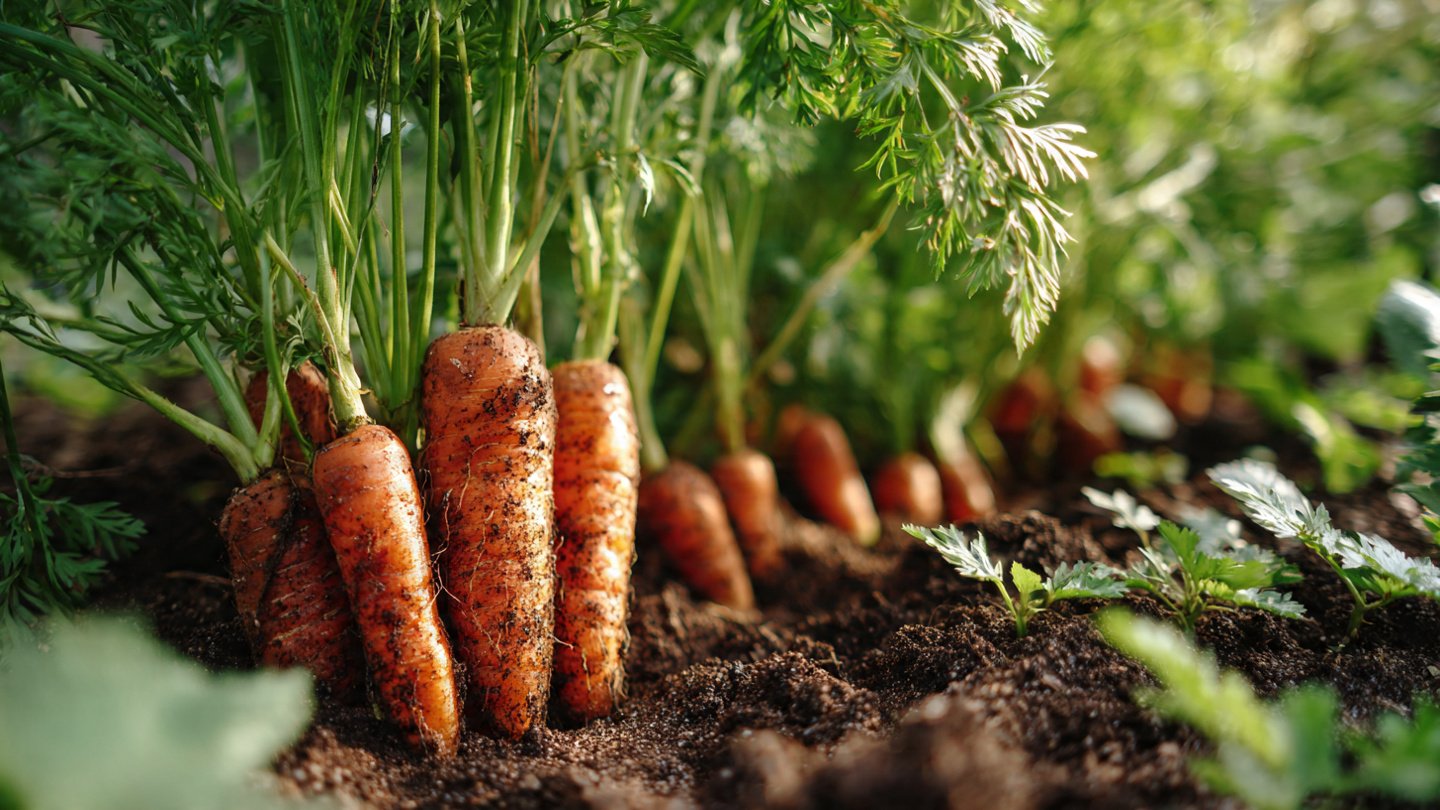
Carrots are one of the most beloved vegetables worldwide. They’re not only crunchy, sweet, and delicious but also packed with nutrients like beta-carotene, fiber, and vitamins that boost your health. Growing carrots at home is surprisingly easy, and with a little patience, you can enjoy a fresh, crunchy, and nutrient-rich harvest straight from your garden or even a balcony container.
Whether you have a spacious backyard or a small terrace, this guide will walk you through every step to successfully grow carrots at home, from selecting the right variety to harvesting perfectly formed roots.
Why Grow Carrots at Home?
Homegrown carrots have several advantages over store-bought ones:
- Better Taste – Freshly harvested carrots are naturally sweeter and juicier.
- Nutrient-Rich – You can avoid preservatives and pesticides.
- Satisfying Gardening Experience – Growing your own food is rewarding and therapeutic.
- Cost-Effective – Carrots are inexpensive to grow but provide a high yield.
Step 1: Choose the Right Carrot Variety
Carrots come in a variety of shapes, sizes, and colors. Some popular home garden options include:
- Imperator – Long, slender, and sweet; ideal for salads.
- Danvers – Classic orange, slightly shorter, and adaptable to most soils.
- Nantes – Sweet, cylindrical, and smooth; great for snacking.
- Chantenay – Shorter, thick, and ideal for container gardens.
- Purple or Yellow Carrots – Add visual appeal and nutrients to your meals.
Choose a variety that suits your space and taste preference. For container gardening, shorter varieties like Chantenay or Nantes work best.
Step 2: Select a Growing Location
Carrots thrive in full sun, needing at least 6–8 hours of sunlight per day.
- Soil Requirements: Loose, sandy, well-draining soil is ideal. Heavy clay or compacted soil can lead to stunted or forked roots.
- Soil pH: Aim for slightly acidic to neutral soil (pH 6.0–7.0).
If planting in containers or raised beds, ensure the depth is at least 12 inches (30 cm) to accommodate the roots.
Step 3: Prepare the Soil
Healthy carrots start with loose, nutrient-rich soil. Follow these steps:
- Remove Stones and Debris – Carrots can fork if they hit rocks or compacted soil.
- Add Organic Matter – Mix compost or well-rotted manure to improve fertility and drainage.
- Level the Soil – Create a fine, crumbly texture for smooth root growth.
- Avoid Fresh Nitrogen – Too much nitrogen fertilizer encourages leafy growth at the expense of roots.
Step 4: Sow the Seeds
Carrot seeds are tiny, so careful sowing is essential.
- Spacing: Sow seeds about ¼ inch deep, spaced 1–2 inches apart.
- Rows: Keep rows 12–18 inches apart for easier thinning and harvesting.
- Container Gardening: Scatter seeds evenly and thin later.
Tip: Soak seeds overnight to speed up germination, especially in cooler climates.
Step 5: Watering and Moisture Management
Carrots need consistent moisture for proper germination and growth.
- Germination: Keep the soil damp but not waterlogged until seeds sprout (usually 10–21 days).
- Growing Stage: Water deeply 1–2 times per week, depending on weather, to encourage deep root growth.
- Avoid Drought: Dry conditions can result in tough, woody carrots.
Using mulch around the plants helps retain moisture and suppress weeds.
Step 6: Thinning Seedlings
Carrot seedlings can be crowded, which leads to small, misshapen roots.
- Thin seedlings to 2–3 inches apart once they reach 2–3 inches in height.
- Gently remove weaker plants to give strong carrots room to grow.
- Use the thinned seedlings in salads or as greens—they’re edible and tasty!
Step 7: Mulching and Weed Control
Mulching is a simple way to improve carrot growth:
- Apply a layer of straw, grass clippings, or shredded leaves around plants.
- Benefits of mulching:
- Retains soil moisture
- Prevents weeds from competing with carrots
- Keeps roots cool in hot weather
Avoid heavy mulch directly on tiny seedlings, which may smother them.
Step 8: Pest and Disease Management
Carrots can face a few common challenges:
Pests
- Carrot Fly – Small larvae can damage roots. Use floating row covers to prevent adults from laying eggs.
- Aphids – Spray gently with water or neem oil.
- Cutworms – Protect seedlings with collars or barriers.
Diseases
- Powdery Mildew – Avoid overcrowding for good air circulation.
- Root Rot – Ensure well-draining soil to prevent waterlogging.
Maintaining healthy soil and spacing reduces the need for chemicals.
Step 9: Fertilizing Carrots
Carrots are light feeders, so avoid heavy fertilization.
- Before Planting: Incorporate compost or balanced fertilizer (low nitrogen, high potassium and phosphorus).
- During Growth: Side-dress with compost tea or organic fertilizer if soil is poor.
Avoid excessive nitrogen, which causes lush tops but poor root development.
Step 10: Harvesting Carrots
Carrots are usually ready to harvest 60–80 days after sowing, depending on the variety. Signs they’re ready include:
- Tops are 3/4 to 1 inch in diameter
- Leaves are green and healthy
- Roots are visible at the soil surface
Harvesting Tips:
- Loosen soil gently with a fork before pulling.
- Avoid tugging hard, which can break the root.
- Wash and trim greens, leaving a small stem if storing.
Step 11: Storage and Enjoying Your Carrots
Carrots are versatile and nutritious. Once harvested:
- Short-term: Keep in the fridge in perforated plastic bags or wrapped in damp cloth.
- Long-term: Store in sand or sawdust in a cool, dark place.
- Culinary Uses: Eat raw, roasted, boiled, or in soups and stews.
Homegrown carrots are often sweeter and more flavorful than store-bought ones, making them perfect for snacks, salads, and cooking.
Pro Tips for a Successful Carrot Harvest
- Succession Planting: Sow seeds every 2–3 weeks for a continuous harvest.
- Companion Plants: Plant onions, leeks, or radishes nearby to deter carrot pests.
- Avoid Heavy Shading: Carrots need full sun for sweet roots.
- Container Gardening: Use deep pots (12–15 inches) for best results.
- Patience Pays Off: Carrots may take time to grow, but the results are worth it!
Common Mistakes to Avoid
- Planting in compacted soil – Leads to forked or stunted roots.
- Overcrowding seeds – Results in small or misshapen carrots.
- Underwatering – Causes tough, woody roots.
- Over-fertilizing with nitrogen – Promotes leafy tops, not roots.
- Ignoring pests – Carrot flies and aphids can ruin the crop.
Conclusion: Crunchy, Nutritious Carrots from Your Own Garden
Growing carrots at home is a rewarding and relatively simple process. With the right variety, soil, sunlight, and care, you can enjoy a continuous harvest of sweet, crunchy, and nutritious carrots right from your garden or balcony.
From selecting seeds to harvesting and storing, every step contributes to healthy, flavorful roots that your family will love. By following these easy steps, you not only grow your own food but also cultivate patience, responsibility, and a closer connection to nature.
So grab your seeds, prepare your garden or container, and get ready for a delicious carrot harvest that’s fresh, wholesome, and completely homegrown!