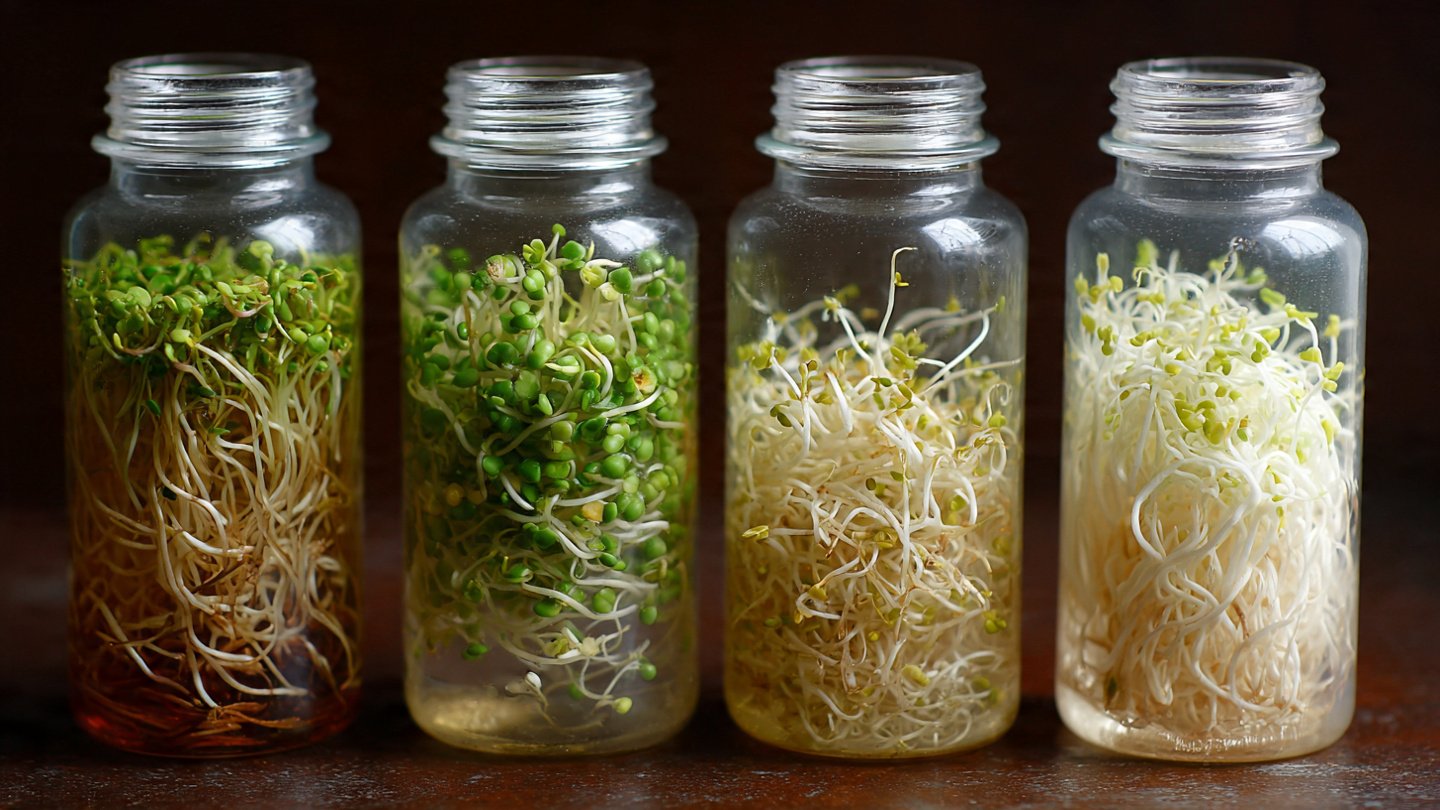
Bean sprouts are a nutritious and delicious addition to salads, stir-fries, sandwiches, and soups. Packed with vitamins, minerals, and protein, they are also remarkably easy to grow at home. One of the most convenient and eco-friendly methods is using recycled plastic bottles. This approach requires minimal space, is cost-effective, and allows you to grow fresh, crunchy bean sprouts year-round. In this step-by-step guide, we’ll cover everything you need to know to grow bean sprouts at home in plastic bottles, from selecting seeds to harvesting, ensuring a safe and successful crop.
Why Grow Bean Sprouts at Home
Growing bean sprouts at home has several advantages:
- Freshness: Homegrown sprouts are crisp, clean, and free from chemicals or preservatives.
- Cost-Effective: Seeds are inexpensive, and plastic bottles can be reused from household waste.
- Nutrition: Sprouts are high in vitamins C, K, and B-complex, as well as minerals like iron and magnesium.
- Year-Round Availability: Unlike some vegetables, sprouts can be grown indoors regardless of season.
- Space-Saving: Using plastic bottles allows you to grow sprouts even in small kitchens, balconies, or apartments.
With a few simple steps, you can enjoy a continuous supply of nutritious sprouts at home.
Choosing the Right Beans for Sprouting
Not all beans are suitable for sprouting. When selecting seeds, consider these options:
- Mung Beans: The most popular choice, producing tender, crunchy sprouts.
- Adzuki Beans: Slightly sweeter sprouts with a unique flavor.
- Lentils: Green or brown lentils sprout quickly and are rich in protein.
- Chickpeas: Take longer to sprout but produce hearty, flavorful sprouts.
Tip: Always use seeds labeled for sprouting or organic seeds, as they are free from chemicals and more likely to germinate successfully.
Preparing Plastic Bottles for Sprouting
Plastic bottles are ideal for sprouting because they are easy to handle, transparent (allowing you to monitor growth), and can be modified for proper drainage. Here’s how to prepare them:
- Select Bottles: Use 1–2 liter bottles made of PET plastic.
- Cut the Bottle: Cut the bottle in half horizontally. The bottom half will hold water for rinsing, while the top half can be inverted to act as a sieve or sprouting container.
- Drainage Holes: Poke small holes in the bottle cap or the bottom of the top half to allow water to drain after rinsing.
- Clean Thoroughly: Wash bottles with warm water and mild soap to remove any residue or bacteria.
Proper preparation ensures good airflow, proper drainage, and a hygienic environment for your sprouts.
Step 1: Soaking the Seeds
Soaking seeds is an essential first step to kickstart germination:
- Measure Seeds: Use 2–3 tablespoons of seeds per bottle for a small batch.
- Rinse: Rinse seeds with clean water to remove dust.
- Soak: Place seeds in a jar or bottle and cover them with clean water. Soak for 8–12 hours (overnight).
- Drain: After soaking, drain the water completely using the bottle’s drainage holes.
Soaking softens the seed coat, allowing the embryo to sprout quickly.
Step 2: Rinsing and Draining
Rinsing and draining the seeds multiple times a day is crucial to prevent mold and ensure healthy sprout growth:
- Rinse Seeds: Pour fresh water over the seeds and gently swirl to rinse.
- Drain Thoroughly: Empty all water to prevent stagnation, which can cause bacterial growth.
- Position Bottle: Place the bottle at a 45° angle with the mouth pointing downward. This allows water to drain fully and ensures air circulation.
Repeat this process 2–3 times per day for optimal sprouting results.
Step 3: Providing the Right Environment
Sprouts need a warm, dark environment to grow:
- Temperature: Keep the bottle in a place with a stable temperature between 65°F–75°F (18°C–24°C).
- Light: Avoid direct sunlight during germination, as it can dry out seeds or reduce sprout quality.
- Air Circulation: Ensure good airflow to prevent mold. Inverted bottles help with natural ventilation.
A consistent environment ensures faster germination and reduces the risk of spoilage.
Step 4: Sprouting Stage
After 2–3 days, seeds will begin to germinate:
- Observe Growth: Small white tails (radicles) will appear. At this stage, continue rinsing twice daily.
- Check for Mold: If you see fuzzy white or green patches, rinse thoroughly and ensure proper drainage.
- Harvest Timing: Most sprouts are ready to harvest in 4–6 days, depending on the seed type.
Healthy sprouts should be crisp, white or green, and smell fresh.
Step 5: Optional Light Exposure
Once sprouts have grown to the desired length (usually 1–2 inches), you can expose them to indirect light for a few hours:
- This encourages chlorophyll development, giving the sprouts a greenish hue.
- Avoid direct sunlight, which can overheat and dry the sprouts.
Adding light is optional but improves nutritional content and appearance.
Step 6: Harvesting Your Bean Sprouts
Harvesting correctly ensures freshness and longevity:
- Remove Sprouts from Bottle: Carefully shake or pour sprouts into a clean colander.
- Rinse Thoroughly: Wash off any seed husks or debris.
- Drain: Let sprouts drain completely to prevent sogginess.
- Storage: Store in a sealed container in the refrigerator. Sprouts are best consumed within 3–5 days.
Freshly harvested sprouts are crunchy, nutrient-rich, and perfect for salads, sandwiches, or cooking.
Tips for Success
- Hygiene First: Always wash bottles, hands, and utensils to prevent bacterial contamination.
- Avoid Overcrowding: Too many seeds in one bottle can reduce airflow and increase mold risk.
- Rotate the Bottle: Gently shake or turn the bottle to ensure even sprout growth.
- Use Filtered Water: Chlorinated tap water can inhibit germination; use filtered or boiled water if possible.
- Experiment with Seeds: Try mung beans, lentils, chickpeas, or adzuki beans to discover your favorite sprouts.
Following these tips increases the likelihood of growing healthy, safe, and tasty sprouts.
Troubleshooting Common Issues
Even with proper care, you may encounter some problems:
- Mold Growth: Usually caused by poor drainage or overcrowding. Increase rinsing frequency and improve airflow.
- Slow Germination: Check seed quality, soak longer, and ensure proper temperature.
- Bitter Sprouts: Can result from using old seeds or overexposing sprouts to light.
Addressing issues promptly ensures consistent yields and high-quality sprouts.
Benefits of Growing Bean Sprouts at Home
Growing sprouts at home in plastic bottles has numerous advantages:
- Nutritional Value: Sprouts are rich in protein, fiber, antioxidants, and essential vitamins.
- Cost Savings: Growing your own is cheaper than buying packaged sprouts from the store.
- Sustainability: Reusing plastic bottles reduces waste and promotes eco-friendly gardening.
- Convenience: You can harvest fresh sprouts within a week, with minimal space and effort.
These benefits make homegrown bean sprouts a practical and healthful addition to any kitchen.
Conclusion
Growing bean sprouts in plastic bottles is an easy, cost-effective, and sustainable way to enjoy fresh, nutritious sprouts at home. By selecting the right seeds, preparing bottles properly, maintaining a clean and well-drained environment, and following a regular rinsing schedule, you can produce a continuous supply of crunchy, healthy sprouts. This method requires minimal space, time, and effort, making it perfect for apartment dwellers, beginners, or anyone looking to add a healthy boost to their diet. With patience and attention to hygiene and watering, your homegrown bean sprouts will thrive, providing delicious, vitamin-packed greens for your meals year-round.