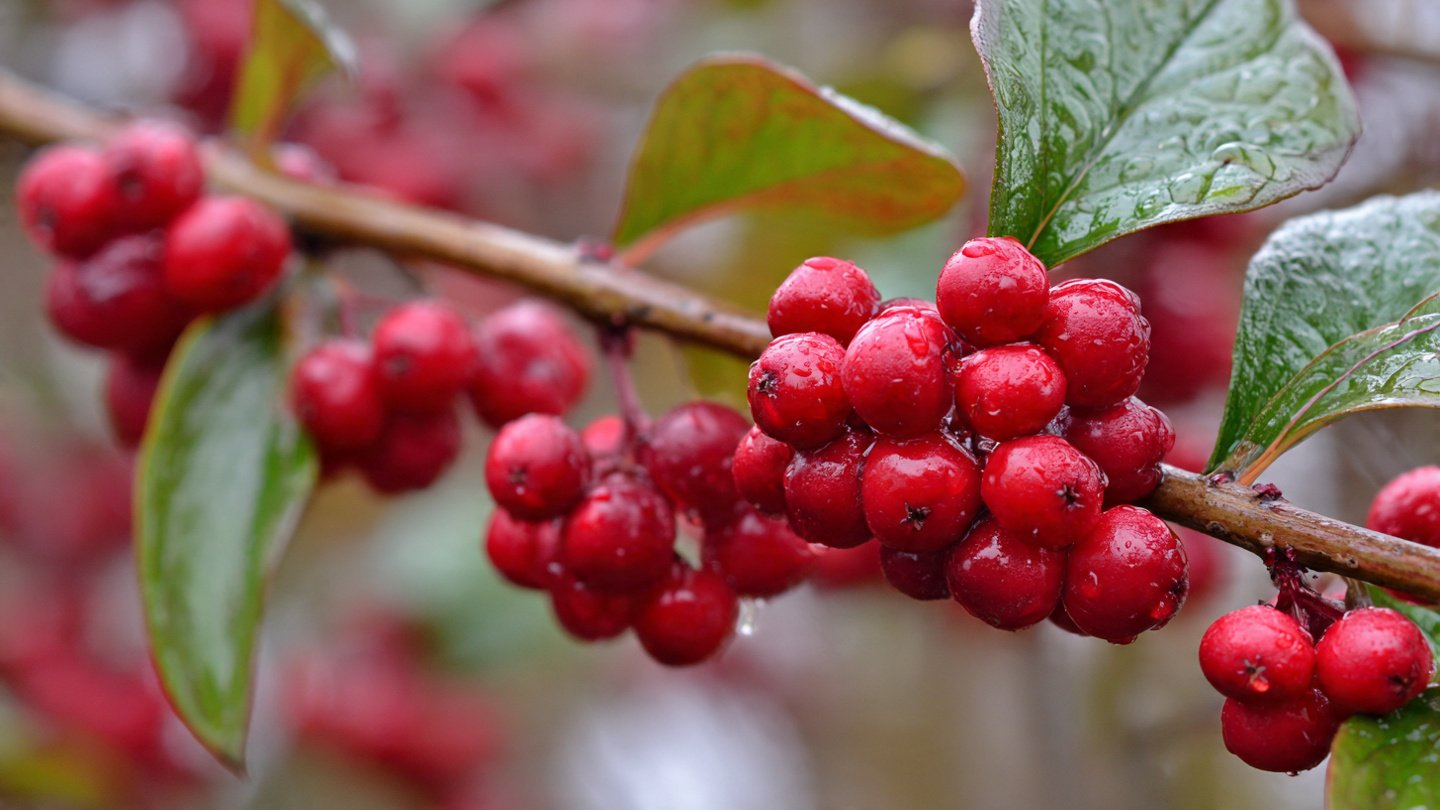
The vibrant red berries of the winterberry bush (Ilex verticillata) are one of the most striking natural decorations of the colder months. Unlike many plants that fade in fall and winter, winterberry comes into its own when leaves drop, revealing clusters of bright red fruit that can last through frost and snow. This makes it a favorite for gardeners looking to add seasonal beauty and wildlife value to their landscapes.
Growing winterberry at home is both rewarding and straightforward if you understand the plant’s specific needs. With proper planning, planting, and care, you can enjoy colorful berries, winter interest, and a haven for birds in your yard. In this guide, we’ll cover everything you need to know about growing winterberry, from soil selection and planting tips to pruning and pest management.
Why Choose Winterberry Bush for Your Garden?
Winterberry offers more than just visual appeal. Some of the key benefits include:
- Winter Color: When most deciduous plants lose their leaves, winterberry’s bright red berries provide a vivid pop of color.
- Wildlife Attraction: Birds, squirrels, and other wildlife are drawn to the berries, creating a lively ecosystem in your yard.
- Versatility: Winterberry can be grown as a standalone shrub, in hedges, or incorporated into mixed borders.
- Low Maintenance: Once established, winterberry is hardy, drought-tolerant, and disease-resistant.
- Cultural Significance: Its festive red berries make it a popular choice for holiday decorations and floral arrangements.
These qualities make winterberry a practical and visually stunning choice for home gardeners looking to enhance their landscape year-round.
Step 1: Understanding Winterberry Requirements
Before planting, it’s important to understand the growing conditions that winterberry prefers:
- Sunlight: Winterberry thrives in full sun to partial shade. Full sun encourages the most prolific berry production.
- Soil: Prefers acidic, well-draining, moist soil with a pH between 4.5 and 6.5. It tolerates wet soils, making it ideal for rain gardens or areas near water.
- Climate: Hardy in USDA zones 3–9, winterberry can withstand cold winters and hot summers with proper care.
- Space: Depending on the variety, winterberry shrubs can grow 3–12 feet tall and wide. Provide adequate spacing to allow air circulation and future growth.
Knowing these requirements ensures your winterberry bush thrives and produces vibrant berries year after year.
Step 2: Selecting Male and Female Plants
Winterberry is dioecious, meaning male and female flowers grow on separate plants. Only female plants produce berries, and they require a nearby male for pollination.
- Planting Ratio: One male plant can pollinate up to 5–7 female plants.
- Variety Selection: Choose cultivars that are compatible in bloom time to ensure effective pollination. Popular female varieties include ‘Red Sprite’, ‘Winter Red’, and ‘Sparkleberry’. Male options include ‘Jim Dandy’ and ‘Northline’.
- Pollination: Bees and other pollinators transfer pollen from male to female flowers in spring, resulting in berry production in fall and winter.
Selecting the right male-female combination is essential for a full display of winter berries.
Step 3: Preparing the Planting Site
Winterberry thrives when planted in soil that mimics its natural wetland habitat:
- Soil Preparation: Test soil pH and amend with sulfur or peat moss if the soil is too alkaline.
- Drainage: Although winterberry tolerates moist soil, avoid stagnant water. Raised beds or slightly mounded planting areas improve drainage.
- Sunlight: Choose a site that receives at least 4–6 hours of direct sunlight for optimal berry production.
- Spacing: Space shrubs 3–5 feet apart for smaller varieties and 6–10 feet for larger ones to accommodate mature size.
Proper site preparation ensures healthy root development and vigorous growth.
Step 4: Planting Winterberry
Winterberry can be planted in early spring or fall when the soil is workable. Follow these steps for successful planting:
- Dig a Hole: The hole should be twice as wide and the same depth as the root ball.
- Amend Soil: Mix native soil with compost or peat moss to improve fertility and moisture retention.
- Position the Plant: Place the shrub in the hole so the top of the root ball is level with the surrounding soil.
- Backfill and Water: Fill the hole, gently firm the soil, and water thoroughly.
- Mulch: Apply 2–3 inches of mulch around the base to retain moisture, regulate temperature, and suppress weeds.
Proper planting sets the stage for strong roots, healthy growth, and abundant berries.
Step 5: Watering and Fertilizing
Watering
- Newly planted shrubs need consistent moisture until established. Water deeply once or twice a week, depending on rainfall.
- Mature plants tolerate occasional dry periods but perform best in moist soil.
- Mulching helps conserve water and prevent root stress.
Fertilizing
- Apply a slow-release, acid-loving fertilizer in early spring before new growth emerges.
- Avoid over-fertilizing, as excessive nitrogen encourages leafy growth at the expense of flowers and berries.
- A balanced fertilizer with a focus on phosphorus supports strong flowering and fruit set.
Regular watering and appropriate fertilization ensure healthy growth and maximum berry production.
Step 6: Pruning and Maintenance
Winterberry is relatively low-maintenance, but occasional pruning helps maintain shape and encourage fruiting:
- Timing: Prune immediately after flowering in late spring or early summer. Avoid heavy pruning in fall, as this can reduce berry production.
- Remove Dead or Diseased Wood: Cut back any damaged branches to maintain plant health.
- Shape the Plant: Trim to encourage open branching, which improves airflow and sunlight penetration.
- Control Size: For larger varieties, selective pruning keeps the shrub manageable.
Proper pruning maintains the beauty, health, and productivity of your winterberry bush.
Step 7: Controlling Pests and Diseases
Winterberry is generally hardy, but some issues can occur:
- Pests: Scale insects, aphids, and leaf miners may occasionally infest the shrub. Treat with horticultural oil or insecticidal soap if necessary.
- Diseases: Leaf spot, cankers, and root rot can occur in poorly drained soil. Ensure good drainage and remove affected foliage promptly.
- Prevention: Maintain healthy soil, adequate spacing, and proper watering to reduce susceptibility.
With attentive care, pest and disease problems are usually minimal, allowing your winterberry to thrive.
Step 8: Encouraging Berry Production
Berry production depends on several factors:
- Proper Male-Female Ratio: Ensure at least one male plant is nearby for pollination.
- Sunlight Exposure: Full sun encourages more flowers and larger berries.
- Pollinator Support: Encourage bees and other pollinators with companion plants like lavender, salvia, or coneflowers.
- Avoid Over-Fertilization: Too much nitrogen reduces flowering and berry set.
- Patience: Winterberry shrubs may take 2–3 years to establish before producing abundant berries.
Following these steps results in dense clusters of bright red berries that last through winter.
Step 9: Using Winterberry in Your Landscape
Winterberry is versatile and can be incorporated into your yard in many ways:
- Standalone Specimen: Plant in a prominent spot for a bold winter focal point.
- Hedges and Screens: Use multiple shrubs to create colorful privacy screens.
- Mixed Borders: Combine with evergreens and ornamental grasses for year-round interest.
- Rain Gardens or Wet Areas: Winterberry tolerates damp soils, making it ideal for low-lying areas.
- Holiday Decorations: Cut branches with berries for indoor arrangements and wreaths.
Its versatility and striking winter color make winterberry a dynamic and functional landscape addition.
Step 10: Seasonal Care
Winterberry requires minimal attention once established, but seasonal care ensures lasting beauty:
- Spring: Fertilize and check for pest issues; remove dead wood.
- Summer: Water during dry spells; monitor growth and support pollinators.
- Fall: Enjoy the berries; harvest branches for holiday arrangements if desired.
- Winter: Mulch to protect roots; prune lightly if necessary after leaf drop.
Seasonal care helps maintain vibrant berries, healthy growth, and long-term plant health.
Conclusion
Winterberry bushes are a must-have for gardeners seeking seasonal beauty, wildlife attraction, and low-maintenance landscaping. From assessing site conditions and selecting male and female plants to planting, watering, pruning, and supporting pollinators, each step ensures your shrub thrives and produces stunning red berries throughout the winter months.
By carefully choosing your planting location, providing the right soil and sunlight, and maintaining proper care, you can enjoy a garden focal point that brightens the coldest months, supports local wildlife, and adds festive charm. Winterberry is not only a practical choice for homeowners seeking winter color, but it also elevates the beauty and functionality of your landscape year-round.
With patience and attention to detail, your winterberry bush can become a highlight of your garden, delighting you, your family, and visiting birds for years to come.