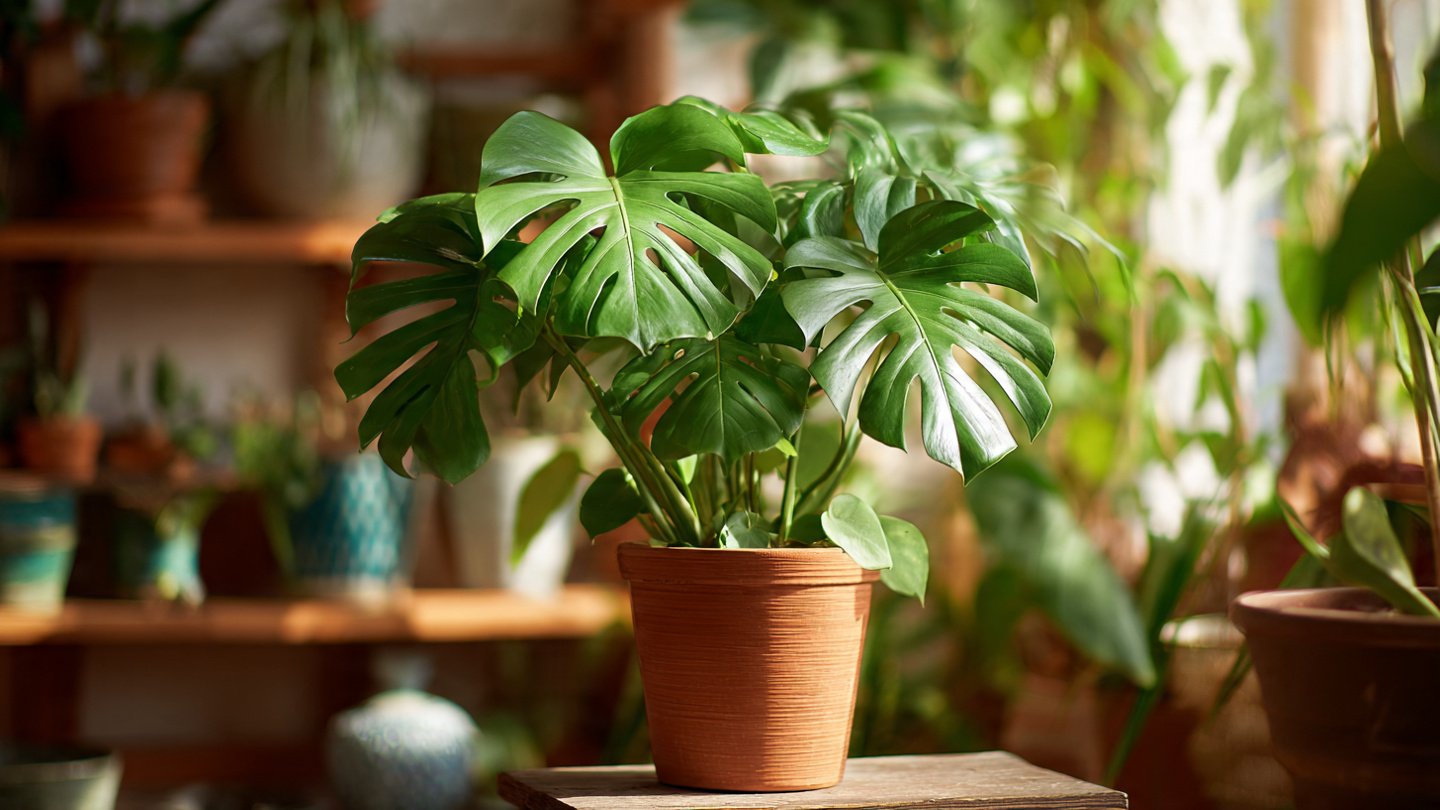
Monstera plants, often called “Swiss Cheese Plants” because of their unique perforated leaves, have become one of the most popular houseplants in modern homes. Their dramatic foliage, tropical vibe, and air-purifying qualities make them a favorite among plant enthusiasts and interior decorators alike. While Monsteras are relatively easy to care for, achieving lush, vibrant growth requires attention to several key factors including light, water, soil, and humidity. In this guide, we’ll walk you through 9 proven tips to help your Monstera thrive, producing glossy leaves with characteristic splits and holes.
1. Choose the Right Variety
Before diving into care tips, it’s important to know which Monstera variety you’re growing. The most common types include:
- Monstera deliciosa: The classic “Swiss Cheese Plant,” known for large, split leaves.
- Monstera adansonii: Smaller leaves with more perforations, perfect for hanging baskets.
- Monstera Thai Constellation: Variegated leaves with cream or white patterns.
- Monstera borsigiana: A smaller, faster-growing version of Monstera deliciosa.
Choosing the right variety for your space ensures that you can accommodate its growth habit and leaf size. For beginners, Monstera deliciosa or borsigiana are excellent options because they are hardy and fast-growing.
2. Provide Bright, Indirect Light
Monsteras thrive in bright, indirect light. Direct sunlight can scorch their leaves, causing brown patches, while too little light slows growth and reduces leaf perforation:
- Ideal Placement: Near east- or south-facing windows with filtered light.
- Artificial Light: If natural light is limited, use grow lights to supplement for 8–10 hours a day.
- Rotation: Rotate your plant every few weeks to ensure even growth on all sides.
Proper lighting encourages robust leaf growth, larger leaves, and the formation of characteristic splits and fenestrations.
3. Use Well-Draining Soil
Monsteras prefer soil that retains moisture but drains well to prevent root rot:
- Ideal Mix: Combine potting soil, orchid bark, and perlite in a 2:1:1 ratio.
- Avoid Compact Soil: Standard garden soil may retain too much water, leading to soggy roots.
- Optional Additions: Coco coir or peat moss can improve moisture retention while maintaining aeration.
Healthy soil provides nutrients and ensures roots get oxygen, which is essential for vibrant growth.
4. Water Properly
Watering is critical for lush Monsteras:
- Frequency: Water when the top 2–3 inches of soil are dry. Overwatering can cause root rot, while underwatering results in droopy, yellow leaves.
- Method: Water thoroughly until it drains from the bottom, then empty the saucer to avoid standing water.
- Humidity Tip: Monsteras thrive in high humidity, so misting occasionally or using a humidifier supports healthy leaves.
Consistency is key—regular, moderate watering encourages steady growth and prevents stress.
5. Fertilize Regularly
Fertilization provides the nutrients Monsteras need to grow large, vibrant leaves:
- Type: Use a balanced, water-soluble houseplant fertilizer (20-20-20) or an organic option like worm castings.
- Frequency: Fertilize once a month during spring and summer; reduce in fall and winter when growth slows.
- Application Tip: Dilute fertilizer to half the recommended strength to avoid burning roots.
Nourished plants grow faster, produce larger leaves, and develop striking fenestrations.
6. Support Vertical Growth
Monsteras are natural climbers that produce aerial roots:
- Use a Moss Pole: Providing a moss or coir pole encourages upward growth, mimicking their natural tropical environment.
- Tie Gently: Use soft plant ties to attach stems to the support without damaging leaves.
- Encourage Aerial Roots: Aerial roots help the plant stabilize and absorb extra nutrients.
Supporting vertical growth allows your Monstera to develop larger, mature leaves and a fuller appearance.
7. Maintain Humidity and Temperature
Monsteras are tropical plants that thrive in warm, humid environments:
- Ideal Temperature: 65–85°F (18–29°C). Avoid temperatures below 55°F (13°C).
- Humidity: 60% or higher is ideal; mist leaves, place a humidifier nearby, or group plants to raise humidity naturally.
- Leaf Health: Proper humidity prevents browning edges and encourages glossy, vibrant foliage.
Maintaining tropical conditions indoors ensures your Monstera looks its best year-round.
8. Prune and Clean Leaves
Pruning and cleaning your Monstera helps direct energy toward new growth:
- Remove Dead or Yellow Leaves: This prevents disease and keeps the plant looking healthy.
- Trim Excess Growth: If the plant becomes leggy, prune stems to encourage branching and fuller foliage.
- Clean Leaves: Wipe leaves with a damp cloth to remove dust, allowing efficient photosynthesis and enhancing their natural shine.
Regular maintenance promotes a lush, vibrant plant that is a showstopper in any room.
9. Repot When Needed
Monsteras grow quickly and may become root-bound:
- Timing: Repot every 1–2 years, or when roots start emerging from drainage holes.
- Pot Selection: Choose a container 2–3 inches larger in diameter than the current pot with drainage holes.
- Repotting Technique: Gently loosen the root ball, place in fresh soil mix, and water thoroughly.
Repotting revitalizes the plant, encourages growth, and prevents stunted development.
Bonus Tips for Lush Growth
- Leaf Fertilizer Spray: Apply a diluted liquid fertilizer directly on leaves to boost nutrients and leaf shine.
- Rotate for Light: Turning the plant occasionally ensures all leaves receive equal sunlight.
- Monitor Pests: Watch for spider mites, mealybugs, and scale; treat infestations promptly with neem oil or insecticidal soap.
- Encourage Fenestrations: Older, mature plants develop more splits; patience and proper care are key.
These extra measures help maintain a vibrant, healthy Monstera.
Common Mistakes to Avoid
- Overwatering: Leads to yellowing leaves and root rot.
- Insufficient Light: Leaves become small and fenestrations may not develop.
- Neglecting Support: Without a pole or trellis, the plant may grow leggy and lose its natural structure.
- Ignoring Pests: Infestations can weaken or kill the plant if untreated.
- Using the Wrong Soil: Heavy, compact soil retains too much moisture, suffocating roots.
Avoiding these mistakes ensures a lush, thriving Monstera that remains a centerpiece in your home.
Benefits of a Lush Monstera
- Air Purification: Monsteras remove toxins like formaldehyde from indoor air.
- Aesthetic Appeal: Dramatic, glossy leaves add a tropical touch to any space.
- Stress Relief: Caring for plants reduces stress and improves mental well-being.
- Versatility: Can grow in pots, hanging baskets, or trained along trellises, adapting to any interior.
A healthy Monstera not only beautifies your space but also contributes to a healthier living environment.
Conclusion
Growing a lush Monstera is a rewarding experience that combines attention to light, water, soil, humidity, and care techniques. By following these 9 proven tips—choosing the right variety, providing proper light, watering consistently, fertilizing, supporting vertical growth, maintaining humidity, pruning, cleaning leaves, and repotting—you can cultivate a vibrant, thriving plant with large, glossy leaves and characteristic fenestrations.
Whether you’re a beginner or a seasoned plant enthusiast, Monsteras are forgiving, adaptable, and incredibly satisfying to grow. With consistent care and patience, your Monstera will not only enhance your home décor but also become a lush, living centerpiece that brings a touch of tropical paradise indoors.