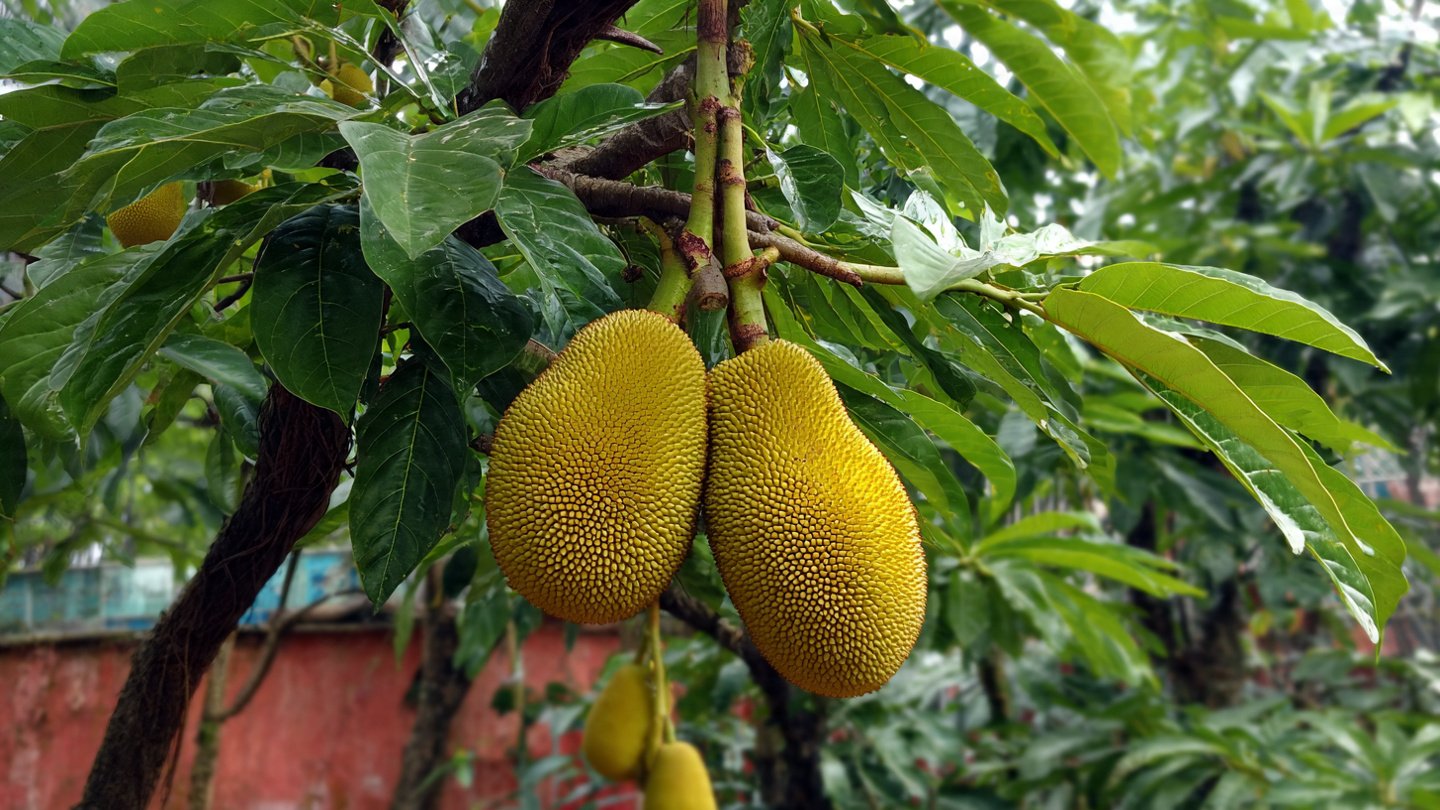
Jackfruit (Artocarpus heterophyllus), the tropical giant of fruits, is renowned for its enormous size, sweet aroma, and delicious taste. Native to South and Southeast Asia, jackfruit has become increasingly popular worldwide due to its culinary versatility, nutritional value, and health benefits. However, many home gardeners and small-scale farmers struggle to get consistent, high yields from their jackfruit trees. Low fruit production can be caused by improper care, inadequate nutrition, or environmental stress.
The good news is that with proper organic fertilization, targeted pruning, and proven growth techniques, you can significantly increase the number of fruits your jackfruit tree produces. In this guide, we’ll explore the best organic practices, growth tips, and care strategies to help you maximize fruiting and enjoy a bountiful harvest.
Understanding Jackfruit Growth and Fruiting
Before diving into fertilizer and growth techniques, it’s important to understand the growth habits of jackfruit trees:
- Tree Size – Jackfruit trees are large, tropical plants that can reach 30–70 feet in height. Dwarf or grafted varieties are ideal for home gardens.
- Flowering Pattern – Jackfruit produces both male and female flowers. Female flowers eventually develop into fruit, while male flowers provide pollen for pollination.
- Fruit Development Time – After pollination, jackfruit takes 3–8 months to mature, depending on climate and tree health.
- Nutrient Demands – Fruiting requires high amounts of nitrogen, phosphorus, and potassium, along with trace minerals like magnesium and zinc.
Proper understanding of these factors is essential to optimize fruit production.
The Role of Organic Fertilizer in Jackfruit Fruiting
Organic fertilizers play a key role in improving soil health, boosting tree growth, and increasing fruit production. Unlike synthetic fertilizers, organic fertilizers release nutrients slowly, improving long-term soil fertility and microbial activity.
Recommended Organic Fertilizers
- Compost – Well-decomposed compost provides a balanced supply of macro and micronutrients, enhancing soil structure and moisture retention.
- Vermicompost – Rich in nitrogen and beneficial microorganisms, vermicompost promotes healthy root development and robust growth.
- Cow or Goat Manure – Adds essential nutrients and improves soil aeration; best applied after proper decomposition.
- Organic Mulch – Using dried leaves, straw, or coconut husks around the base conserves soil moisture, moderates temperature, and improves nutrient absorption.
- Liquid Organic Fertilizers – Aloe vera juice, seaweed extract, or fermented plant solutions can be used as foliar sprays to boost flowering and fruiting.
Step-by-Step Organic Fertilization for Jackfruit
1. Basal Fertilization
- Apply compost or well-rotted manure at the base of the tree every 2–3 months.
- For mature trees, use 10–15 kg of compost per application.
- Spread evenly around the drip line and gently mix into the topsoil.
2. Foliar Feeding
- Prepare a liquid fertilizer using 2–3 tablespoons of fermented plant extract, aloe vera juice, or seaweed extract in 1 liter of water.
- Spray on leaves and flowers every 3–4 weeks, especially during flowering and fruiting.
- Foliar feeding provides immediate nutrient absorption, stimulating flower development and fruit set.
3. Micronutrient Supplementation
- Use organic sources of zinc, magnesium, and boron if deficiencies are detected.
- Zinc sulfate, magnesium sulfate (Epsom salt), or borax in small amounts can correct nutrient deficiencies and improve fruit size and yield.
Proven Growth Tips for More Jackfruit
While fertilization is critical, other cultural practices significantly influence fruit production. Here’s how to boost your jackfruit harvest:
1. Proper Pruning
- Remove dead, diseased, or overcrowded branches to improve sunlight penetration and air circulation.
- Pinch tips of young branches to encourage bushier growth and more flowering sites.
- Avoid over-pruning, as jackfruit stores energy in its leaves and branches for fruit development.
2. Optimal Watering
- Jackfruit requires regular watering during flowering and fruiting stages.
- Ensure soil is moist but not waterlogged, as excessive water can lead to root rot.
- Drip irrigation or basin watering helps maintain consistent moisture around the root zone.
3. Mulching
- Apply 5–10 cm thick organic mulch around the tree base, keeping it a few inches away from the trunk.
- Mulch retains soil moisture, suppresses weeds, and promotes beneficial microbial activity.
4. Pollination Support
- Jackfruit relies on insects like bees for effective pollination.
- Plant flowering companion plants nearby to attract pollinators.
- In low-insect areas, hand pollination using a small brush can enhance fruit set.
5. Soil Management
- Jackfruit prefers slightly acidic to neutral soil (pH 6–7).
- Test soil periodically and amend with organic matter to improve structure and fertility.
- Avoid compacted soil, as it limits root growth and nutrient absorption.
Seasonal Care Tips
Flowering Season
- Increase organic fertilization 1–2 months before flowering to provide energy for flower production.
- Foliar sprays with micronutrients can prevent flower drop.
- Maintain consistent watering and avoid excessive nitrogen, which promotes leafy growth at the expense of flowers.
Fruiting Season
- Apply potassium-rich organic fertilizers to enhance fruit size, sweetness, and shelf life.
- Support heavy fruits with bamboo poles or slings to prevent branch breakage.
- Prune lightly to balance fruit load and prevent stress on the tree.
Organic Pest and Disease Management
Healthy jackfruit trees are more productive. Using organic pest management ensures high yields without chemical residues:
Common Pests
- Fruit Flies – Lay eggs inside developing fruits; cover fruits with paper bags or mesh nets.
- Mealybugs and Aphids – Spray neem oil or insecticidal soap to control infestations.
- Stem Borers – Remove affected branches and apply organic deterrents.
Common Diseases
- Powdery Mildew – White fungal growth on leaves; spray a mixture of milk and water (1:10 ratio) as a natural remedy.
- Anthracnose – Causes fruit rot; apply neem extract and maintain proper spacing for airflow.
- Root Rot – Caused by waterlogged soil; ensure proper drainage and mulching.
Regular monitoring and preventive care help maintain tree health, which directly impacts fruit quantity and quality.
Maximizing Fruit Yield
By combining organic fertilization, pruning, and growth management, you can significantly increase jackfruit yield:
- Balanced Nutrition – Ensure NPK balance and supplement with micronutrients.
- Pruning for Flowering – Targeted pruning stimulates more flowering branches.
- Pollination Support – Encourage bees and hand-pollinate for better fruit set.
- Water Management – Consistent moisture promotes larger, heavier fruits.
- Fruit Thinning – Remove smaller or excess fruits to allow energy allocation to the remaining fruits for bigger size.
These techniques collectively enhance the overall health, productivity, and quality of your jackfruit harvest.
Harvesting Jackfruit
- Jackfruits take 3–8 months to mature after flowering.
- Mature fruits emit a sweet aroma and have a yellowish-green skin.
- Cut the fruit carefully using a sharp knife, leaving a short stem attached.
- Wear gloves or oil your hands, as jackfruit latex can be sticky.
Frequent harvesting encourages new flowers and fruits while maintaining tree vigor.
Conclusion
Getting more fruits from a jackfruit plant is achievable with organic fertilization, proper care, and proven growth techniques. By providing nutrient-rich organic fertilizers, ensuring balanced watering, practicing pruning, supporting pollination, and managing pests naturally, your jackfruit tree can thrive, producing abundant, large, and sweet fruits.
The key is to combine patience with consistent care. Jackfruit trees are resilient, and with proper organic management, they reward gardeners with impressive yields for years. Whether you’re a backyard gardener or a small-scale farmer, these techniques will help you unlock the full fruiting potential of your jackfruit plants naturally and sustainably.
By embracing organic methods and proven horticultural practices, you can enjoy a bountiful harvest of this tropical giant, delighting family, friends, and neighbors with sweet, nutritious, and flavorful fruits.