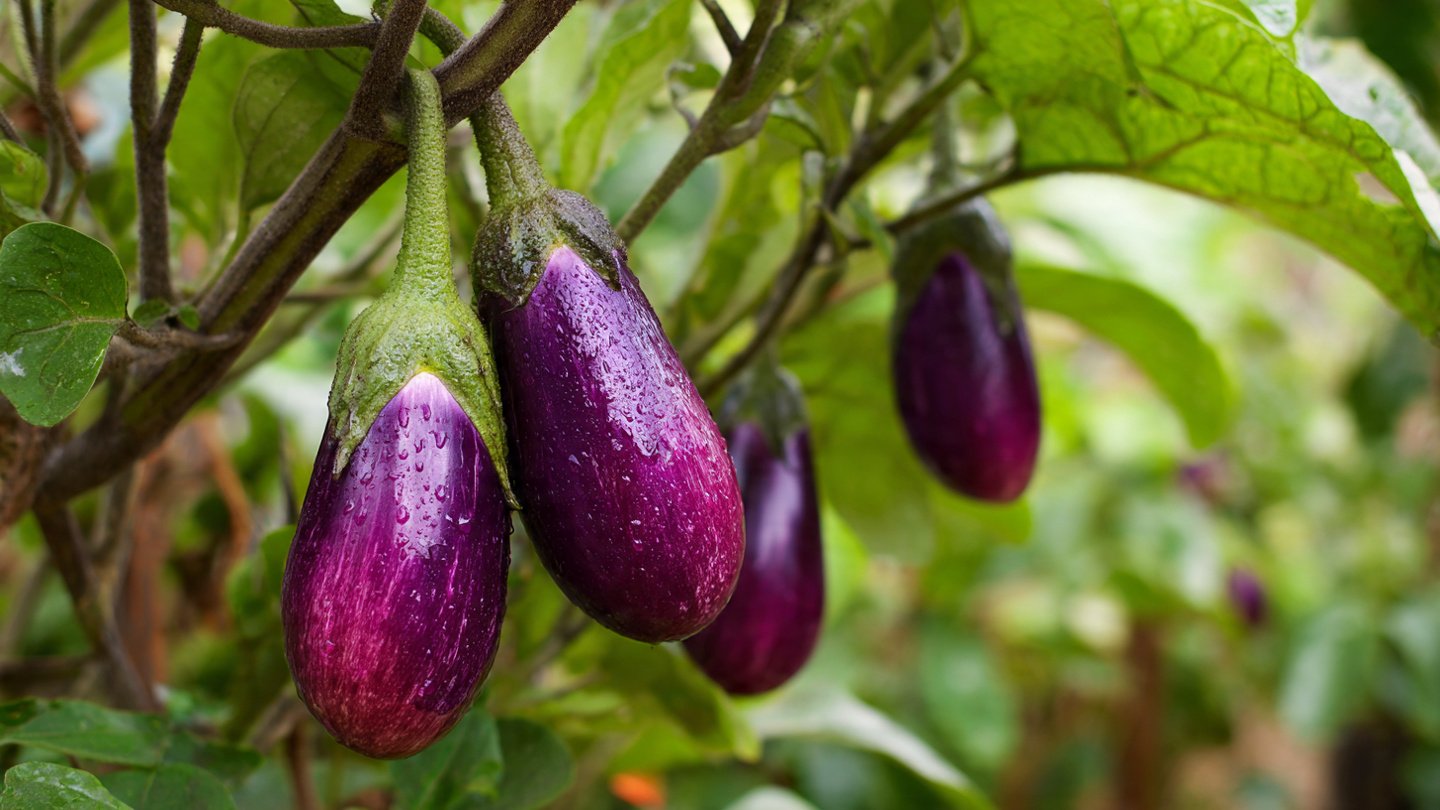
Eggplants, also known as aubergines, are a versatile and nutritious vegetable loved around the world for their rich flavor, meaty texture, and culinary flexibility. From classic eggplant parmesan to grilled skewers, this vegetable is a staple in many kitchens. For home gardeners, growing eggplants can be incredibly rewarding—but to get a bountiful harvest, it requires more than just planting seeds and watering. High yields depend on proper planning, care, and a few expert gardening techniques. In this article, we’ll explore how to maximize your eggplant production and enjoy a thriving, productive garden.
Understanding Eggplants and Their Growth Needs
Eggplants thrive in warm climates and are highly sensitive to cold. Understanding their growth requirements is the first step toward higher yields:
- Temperature: Eggplants grow best in temperatures between 70–85°F (21–29°C). They are sensitive to frost, so planting should only be done after the last frost date in your area.
- Sunlight: Eggplants require at least 6–8 hours of full sun daily to produce robust flowers and fruits. Insufficient sunlight can reduce flower formation and fruit size.
- Soil: Eggplants prefer well-draining, loamy soil rich in organic matter. Soil pH should be slightly acidic to neutral, around 6.0–6.8. Nutrient-rich soil is essential for strong vegetative growth and abundant fruiting.
- Space: Eggplants can grow quite large, so spacing them properly (18–24 inches apart) ensures sufficient airflow and prevents overcrowding, which can reduce yields.
Choosing the Right Eggplant Varieties
Selecting the right variety can have a major impact on your harvest. There are several types of eggplants, each with unique characteristics:
- Classic Globe Varieties: Large, deep-purple fruits, perfect for stuffing or frying. Examples include ‘Black Beauty’ and ‘Dusky.’
- Italian Varieties: Slightly smaller with elongated fruits and tender skin, ideal for roasting and grilling.
- Asian Varieties: Thin-skinned and long, often used in stir-fries and curries. Examples include Japanese ‘Ichiban’ or Thai ‘Green Stripe.’
- Mini or Dwarf Varieties: Compact and ideal for container gardening. These are fast-growing and produce multiple fruits per plant.
Choosing high-yield varieties suited to your climate and garden size sets the stage for success.
Starting Seeds Indoors
To get a head start on the growing season and boost yields, many gardeners start eggplants from seeds indoors:
- Timing: Start seeds 8–10 weeks before the last expected frost.
- Soil: Use a high-quality seed-starting mix that retains moisture but drains well.
- Temperature: Keep seeds in a warm environment (75–85°F) for optimal germination.
- Light: Provide 12–16 hours of light per day using grow lights or a sunny windowsill. Insufficient light can lead to leggy seedlings with poor fruiting potential.
- Transplanting: Harden off seedlings by gradually exposing them to outdoor conditions before transplanting to the garden. This reduces transplant shock and ensures vigorous growth.
Preparing Your Garden for Eggplants
Eggplants need a nutrient-rich and well-prepared garden bed to thrive:
- Soil Preparation: Incorporate compost, well-rotted manure, or organic matter to enrich the soil. Eggplants are heavy feeders, so nutrient-rich soil supports vigorous growth.
- Raised Beds or Containers: Raised beds improve drainage and soil warmth, which encourages faster growth. For container gardening, use large pots with good drainage.
- Spacing: Provide adequate spacing for each plant to allow airflow and sunlight penetration. Crowding can lead to fungal diseases and reduced fruiting.
Fertilization for High Yields
Eggplants are nutrient-hungry and respond well to regular feeding:
- Pre-Plant Fertilizer: Mix a balanced organic fertilizer or compost into the soil before planting to provide a nutrient boost.
- Side Dressing: During the growing season, apply nitrogen-rich fertilizers for leafy growth and phosphorus and potassium for flowering and fruiting.
- Liquid Fertilizers: Foliar feeding with diluted seaweed extract or fish emulsion every 2–3 weeks can encourage flowering and fruit set.
- Avoid Excess Nitrogen: Too much nitrogen promotes leafy growth at the expense of flowers and fruits. Balance is key for high yields.
Watering Techniques
Consistent watering is critical for healthy eggplants and high fruit production:
- Regular Moisture: Eggplants prefer evenly moist soil. Water deeply at the base of the plant 1–2 times per week, depending on weather conditions.
- Mulching: Apply a 2–3 inch layer of organic mulch around plants to retain soil moisture, suppress weeds, and maintain soil temperature.
- Avoid Wet Foliage: Water at the base to prevent fungal diseases like powdery mildew or leaf spot.
Supporting Your Plants
Eggplants often produce heavy fruits, which can weigh down branches:
- Staking or Caging: Support plants with stakes, cages, or trellises to prevent stems from breaking and ensure better air circulation.
- Pruning: Remove lower leaves that touch the soil and trim excessive lateral shoots to direct energy toward fruit production.
Pollination Tips
Eggplants rely on flowers for fruit formation, so proper pollination is essential:
- Attract Pollinators: Plant flowers nearby or use companion plants to attract bees and beneficial insects.
- Manual Pollination: If pollinators are scarce, gently shake flowers or use a small brush to transfer pollen from flower to flower.
- Temperature Considerations: Extreme heat or cold can hinder pollination. Provide shade or temporary protection during extreme weather.
Pest and Disease Management
Healthy eggplants produce more fruits, so proactive pest and disease management is crucial:
- Common Pests: Aphids, flea beetles, spider mites, and whiteflies are common threats. Neem oil, insecticidal soaps, or manual removal can help.
- Fungal Diseases: Powdery mildew and verticillium wilt can reduce yields. Ensure proper spacing, avoid overhead watering, and rotate crops annually.
- Companion Planting: Marigolds, basil, or nasturtiums can deter pests and support plant health.
Harvesting for Maximum Yield
Timely harvesting encourages continuous production:
- Pick Young and Tender Fruits: Harvest eggplants when they are firm, glossy, and the desired size. Overripe fruits become bitter and reduce plant energy.
- Frequent Harvesting: Regularly picking fruits stimulates the plant to produce more flowers and fruits. Check plants every 2–3 days during peak season.
- Handle Gently: Use a sharp knife or scissors to cut fruits, leaving a small stem attached to avoid damage.
Companion Planting for Better Yields
Companion planting can enhance eggplant growth and yields:
- Basil: Improves growth and flavor while repelling pests.
- Marigolds: Deters nematodes and insects.
- Beans and Peas: Fix nitrogen in the soil, providing essential nutrients for eggplants.
- Avoid Brassicas: Cabbage, broccoli, and cauliflower can compete for nutrients.
Container Gardening for Urban Spaces
If you lack a garden, container-grown eggplants can still produce abundant fruits:
- Choose Large Containers: Minimum 12–15 inch pots provide enough space for root growth.
- Soil and Fertilizer: Use a rich potting mix and supplement with liquid fertilizers every 2–3 weeks.
- Sunlight: Ensure containers receive at least 6–8 hours of sun daily. Rotate pots for even growth.
Conclusion
Achieving high yields of eggplants requires attention to detail, proper care, and a few key gardening techniques. From selecting the right variety and preparing nutrient-rich soil to supporting plants, encouraging pollination, and timely harvesting, each step plays a vital role in maximizing production. By understanding the needs of eggplants and providing consistent care, gardeners can enjoy bountiful harvests even in small spaces or urban environments.
Whether you’re an experienced gardener or a beginner, implementing these high-yield tips ensures your eggplants grow strong, healthy, and productive. With patience and dedication, you can transform your garden into an abundant source of fresh, flavorful eggplants ready to elevate your meals all season long.