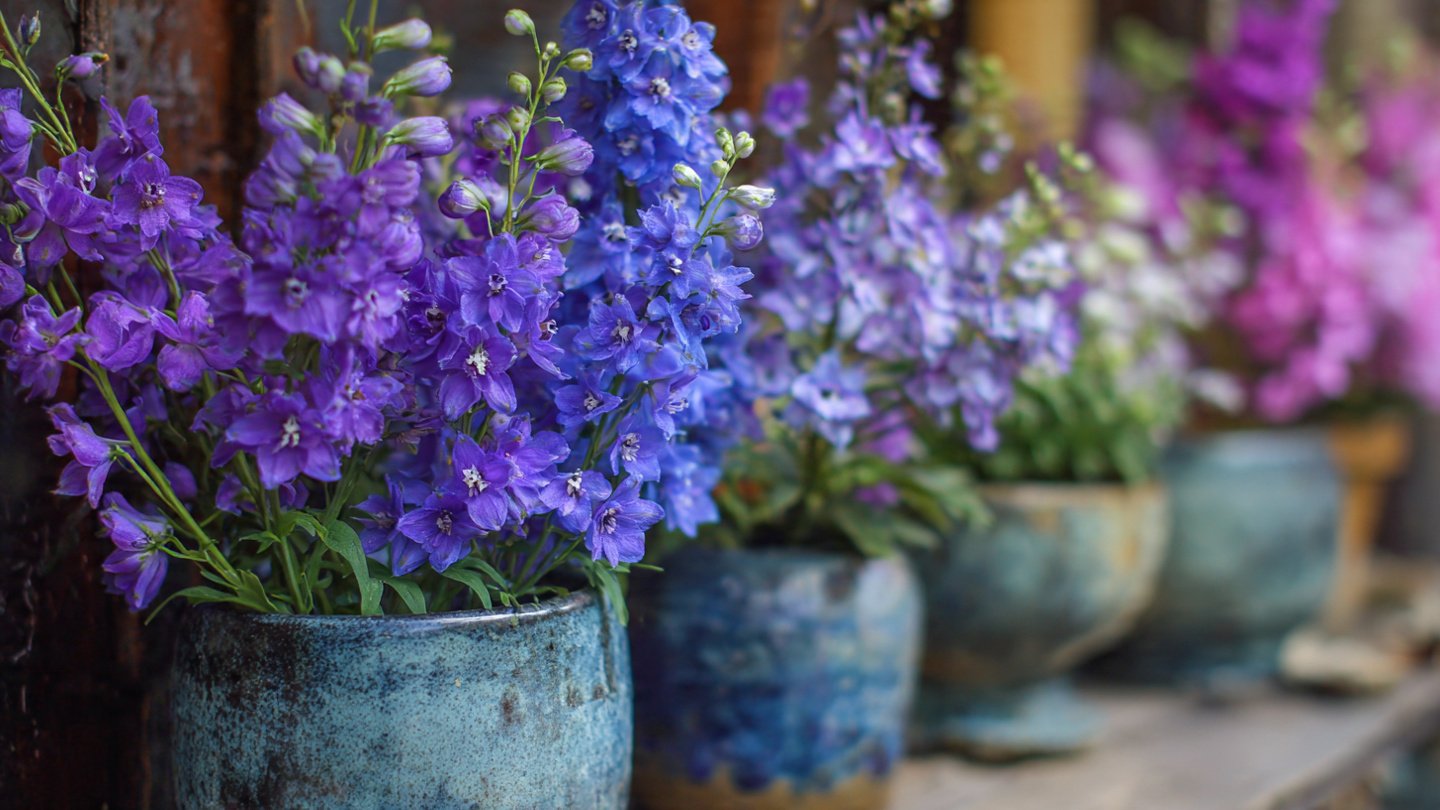
Larkspur (Delphinium spp.) is a captivating flowering plant prized for its tall spikes of vibrant blooms, often ranging from shades of blue and purple to pink and white. Traditionally grown in garden beds, larkspur can also thrive in pots and containers, offering a versatile way to bring its beauty to patios, balconies, and small urban spaces.
Growing larkspur in pots may seem challenging at first, but with the right techniques and a simple, easy hack, you can enjoy stunning flowers throughout the growing season. This guide will walk you through everything you need to know to grow larkspur effortlessly in containers, from seed selection to soil preparation, potting, watering, and maintenance.
Why Grow Larkspur in Pots?
Container gardening offers several advantages for larkspur enthusiasts:
- Space Efficiency: Perfect for small gardens, balconies, or patios.
- Mobility: Pots can be moved to capture sunlight, protect from wind, or enhance decorative arrangements.
- Soil Control: Container growing allows precise control over soil quality and drainage.
- Pest Management: Easier to monitor and reduce exposure to pests and diseases.
- Extended Blooming: With proper care, potted larkspur can produce multiple flowering cycles.
By growing in pots, you enjoy flexibility and convenience while still showcasing larkspur’s striking floral beauty.
Selecting the Right Larkspur Variety
The first step for successful container growing is choosing the right variety:
- Dwarf Varieties: Ideal for pots because they grow 12–24 inches tall and are less prone to tipping over. Examples include Larkspur ‘Giant Pacific’ Dwarf Mix.
- Tall Varieties: Suitable for larger, deeper containers. These varieties can reach up to 4 feet tall and provide dramatic vertical interest.
- Flower Color and Bloom Time: Choose a variety that complements your décor and desired blooming period. Early-blooming varieties often provide quicker results.
Selecting the right variety ensures that your container larkspur grows healthy, strong, and visually stunning.
Preparing the Container
Container selection is critical for larkspur success:
- Size: Use pots at least 12–14 inches deep to accommodate roots and provide stability for tall spikes.
- Drainage: Ensure the pot has drainage holes to prevent waterlogging, which can lead to root rot.
- Material: Clay, terracotta, or plastic containers work well. Clay is breathable and helps prevent overwatering, while plastic retains moisture longer.
- Weight: Use heavier pots for taller varieties to prevent tipping over in windy conditions.
Proper container preparation creates a stable and healthy environment for larkspur growth.
Preparing the Soil
Larkspur thrives in loamy, well-draining soil. For container growing, a budget-friendly homemade mix works perfectly:
- 2 parts garden soil or topsoil
- 1 part compost or well-rotted organic matter
- 1 part perlite or coarse sand for drainage
Pro Tip: Larkspur prefers slightly alkaline to neutral soil pH (6.5–7.5). If your soil is acidic, add a pinch of garden lime to balance pH.
A nutrient-rich, well-draining soil ensures strong root development and long-lasting blooms.
Planting Larkspur Seeds
Growing larkspur from seeds is cost-effective and rewarding. Follow these simple steps:
- Seed Soaking: Soak seeds in water for 24 hours before sowing to soften the seed coat and encourage germination.
- Sowing Depth: Sow seeds ¼ inch deep in the container soil. Do not bury too deep, as light is important for germination.
- Spacing: For small pots, plant 2–3 seeds per pot. Thin seedlings after germination to leave one strong plant.
- Moisture: Keep soil consistently moist but not waterlogged during germination.
- Temperature: Larkspur seeds germinate best in cool conditions (60–65°F).
With proper sowing, seeds typically germinate within 10–14 days, providing a rapid start to your container garden.
The Easy Hack for Faster and Stronger Growth
To achieve stunning blooms with minimal effort, try this simple hack:
- Use a Shallow Tray for Seedlings: Start seeds in a shallow tray filled with seed-starting mix. Once seedlings develop 2–3 sets of true leaves, transplant them into the container.
- Benefits of This Hack:
- Reduces the risk of overwatering in pots during germination.
- Allows stronger root systems before transplanting.
- Maximizes container space for healthy growth.
This method ensures your larkspur grows vigorously and produces tall, vibrant flower spikes.
Sunlight and Placement
Larkspur thrives in full sun to partial shade, depending on variety:
- Ideal Sunlight: At least 6 hours of direct sunlight per day for maximum flowering.
- Partial Shade: Protects young seedlings from scorching heat during summer.
- Container Mobility: Move pots to optimize sun exposure throughout the day or season.
Correct sunlight ensures healthy foliage and abundant blooms.
Watering and Moisture Management
Maintaining proper moisture is key for container-grown larkspur:
- Consistent Watering: Keep the soil evenly moist but never soggy. Overwatering leads to root rot, while underwatering causes poor flowering.
- Check Soil: Insert your finger 1–2 inches into the soil; water only when it feels slightly dry.
- Mulch Layer: Use shredded leaves or straw on top of soil to retain moisture and regulate temperature.
Efficient watering supports steady growth and reduces plant stress.
Fertilization for Stunning Blooms
Larkspur is moderately nutrient-hungry. A balanced, low-cost fertilization plan helps produce vibrant flowers:
- Starter Fertilizer: Use diluted liquid fertilizer after seedlings establish.
- Bloom-Boost Fertilizer: Apply high-phosphorus fertilizer once flower buds appear to encourage larger, more colorful blooms.
- Frequency: Fertilize every 2–3 weeks during the growing season.
- Organic Alternatives: Compost tea or diluted kitchen waste liquids work as natural, inexpensive fertilizers.
Proper nutrition ensures long-lasting blooms and healthy plants.
Supporting Tall Flower Spikes
Tall larkspur varieties can topple over in pots if unsupported:
- Use Stakes: Insert bamboo or wooden stakes gently next to the plant.
- Tie Lightly: Use soft garden twine to secure stems without damaging leaves.
- Wind Protection: Place pots in semi-sheltered locations to prevent strong wind from bending spikes.
Support ensures upright growth and displays the flowers beautifully.
Pest and Disease Management
Container larkspur is relatively hardy but can encounter pests like aphids or diseases like powdery mildew:
- Aphid Control: Spray with diluted neem oil or soapy water solution.
- Powdery Mildew Prevention: Avoid overhead watering, maintain airflow around pots, and remove affected leaves.
- Regular Inspection: Check leaves and stems weekly to catch problems early.
Natural and proactive management keeps your larkspur healthy and pest-free without expensive treatments.
Deadheading and Pruning
- Deadheading: Remove faded flowers to encourage continuous blooming.
- Pruning: Trim weak or damaged stems to focus energy on strong spikes.
- Seed Saving: If desired, allow some flowers to go to seed for future planting.
Routine pruning improves plant appearance and extends the flowering season.
Seasonal Care Tips
- Summer: Ensure pots do not dry out; move to semi-shade during extreme heat.
- Autumn: Gradually reduce watering as blooms fade; prepare for seed collection if needed.
- Winter (for perennials in mild climates): Protect pots from frost or bring indoors.
Seasonal care helps maximize longevity and bloom cycles.
Conclusion
Growing larkspur in pots doesn’t have to be difficult or expensive. By choosing the right variety, preparing the soil and container carefully, starting seeds with a simple hack, and providing proper sunlight, water, and nutrition, you can enjoy stunning, vibrant blooms effortlessly.
This method allows gardeners to:
- Maximize small spaces with container gardening.
- Save money using seeds, homemade soil mixes, and DIY supports.
- Enjoy continuous blooms with minimal effort.
- Cultivate a healthy, low-maintenance garden display on patios, balconies, or indoors.
With patience, consistency, and a few smart hacks, growing larkspur in pots becomes a rewarding, hassle-free experience. Your home can bloom with tall, colorful larkspur spikes that impress guests and brighten your outdoor or indoor space year after year.