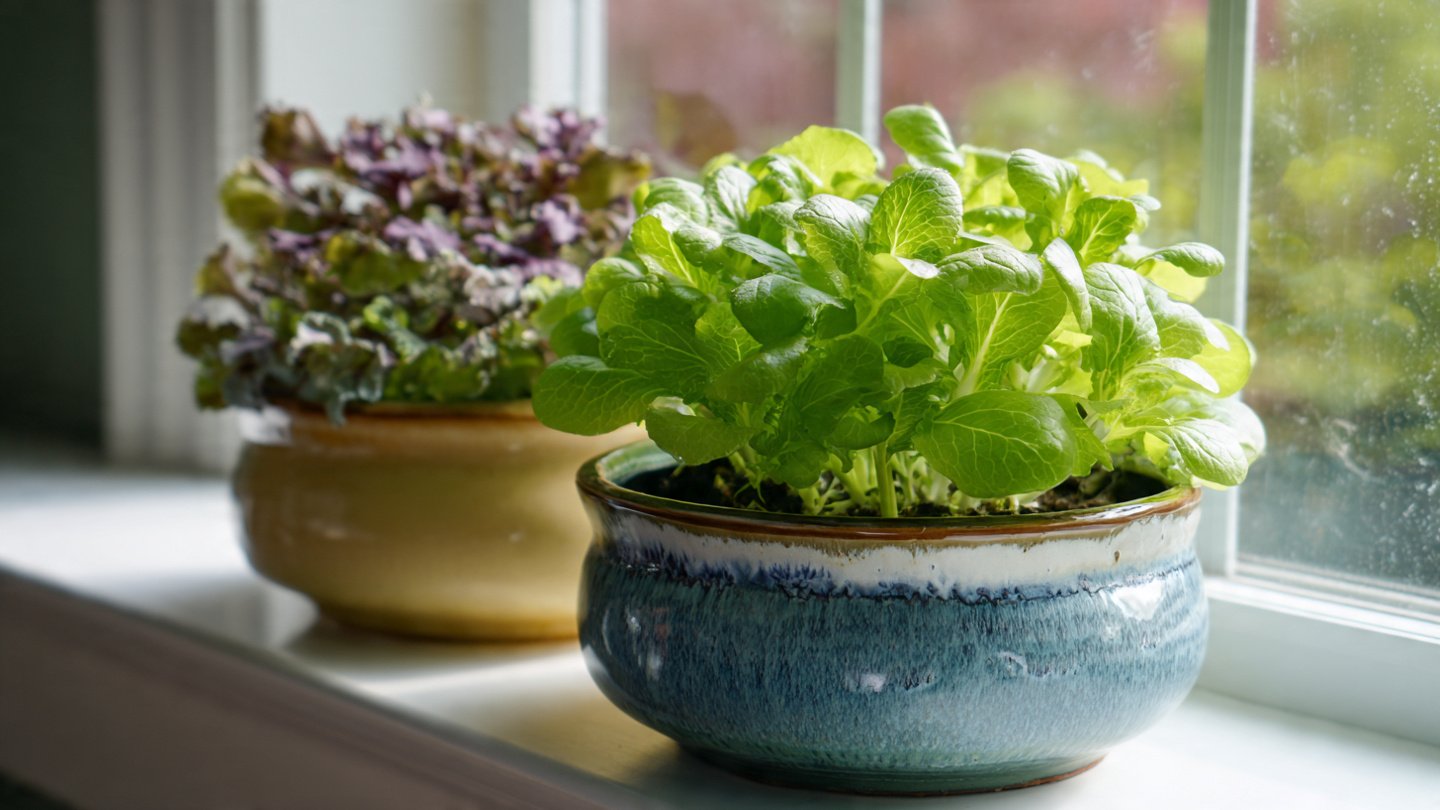
Asian greens, including varieties like bok choy, pak choi, tatsoi, mizuna, and mustard greens, are not only nutrient-rich but also versatile in the kitchen. From stir-fries to soups, these leafy vegetables bring freshness and flavor to meals. While traditionally grown outdoors, Asian greens are surprisingly easy to cultivate indoors, even if you have limited space or no backyard. With the right approach, you can enjoy fresh, homegrown greens year-round.
This guide will take you through everything you need to know to grow Asian greens indoors easily, including preparation, planting, care, and harvesting.
Why Grow Asian Greens Indoors?
Growing Asian greens indoors offers several benefits:
- Freshness: Pick leaves just before cooking for maximum flavor and nutrients.
- Year-round supply: Indoor gardening bypasses seasonal limitations.
- Control over growing conditions: You can manage light, water, and soil without worrying about pests or harsh weather.
- Space-efficient: Perfect for apartments, kitchens, or small terraces.
- Cost-effective: Avoid frequent grocery trips and enjoy organic, pesticide-free greens.
Step 1: Choose the Right Asian Greens
Not all leafy greens are equally suited for indoor growth. Select varieties that grow quickly and stay compact:
- Bok Choy (Pak Choi) – Crisp, tender leaves and stems; ideal for stir-fries and soups.
- Tatsoi – Small, spoon-shaped leaves; mild flavor, perfect for salads and sandwiches.
- Mizuna – Frilly, slightly peppery leaves; fast-growing and compact.
- Mustard Greens – Bold flavor and rich nutrients; cut-and-come-again varieties work best indoors.
- Komatsuna – Japanese mustard spinach; hardy and versatile.
Choose seeds or seedlings from reputable nurseries to ensure healthy growth.
Step 2: Prepare Containers and Growing Medium
Asian greens grow well in containers, trays, or small pots, making them ideal for indoor spaces.
Container Tips:
- Depth: 6–8 inches for most greens; deeper containers for larger roots.
- Drainage: Ensure drainage holes to prevent waterlogging.
- Material: Plastic, clay, or ceramic pots all work; lightweight containers are easier to move indoors.
Growing Medium:
Asian greens thrive in loose, fertile, and well-draining soil. Use a mix of:
- 40% garden soil or compost
- 30% coco peat or peat moss
- 30% perlite or coarse sand
This mixture retains moisture without becoming soggy and allows roots to develop freely.
Step 3: Sow Seeds or Plant Seedlings
Sowing Seeds:
- Fill containers with your prepared soil mix.
- Make shallow rows or sprinkle seeds lightly on the soil surface.
- Cover seeds with a thin layer of soil (1/4 inch or 0.5 cm).
- Gently water with a spray bottle to avoid displacing seeds.
- Maintain consistent moisture until germination, which usually takes 5–10 days.
Planting Seedlings:
- If using seedlings, dig small holes in the soil and transplant carefully.
- Space them according to variety (usually 4–6 inches apart) to allow airflow and healthy growth.
Step 4: Provide Proper Light
Light is one of the most important factors for indoor gardening. Asian greens require bright, indirect light to grow well.
Options for Light:
- Sunny Windowsills: South or west-facing windows provide 4–6 hours of indirect sunlight.
- Grow Lights: LED or fluorescent grow lights are excellent alternatives. Place them 6–12 inches above the plants for 12–16 hours a day.
- Rotation: Rotate containers every few days to ensure uniform growth.
Insufficient light can result in leggy, weak leaves and slow growth.
Step 5: Watering and Fertilizing
Watering:
- Keep the soil consistently moist but not soggy.
- Use a spray bottle or gentle watering can to avoid disturbing roots.
- Avoid letting the soil dry out completely, as Asian greens grow quickly and need steady moisture.
Fertilizing:
- Use organic fertilizers like compost tea or fish emulsion every 2–3 weeks.
- Alternatively, water-soluble houseplant fertilizers can support leafy growth.
- Avoid over-fertilizing, which can make leaves bitter or burn roots.
Step 6: Maintain Temperature and Humidity
Asian greens grow best in cool to moderate temperatures:
- Ideal temperature: 18–24°C (65–75°F)
- Avoid high heat or direct afternoon sun, which can cause bolting (premature flowering).
- Maintain moderate humidity by misting leaves or placing a shallow tray of water near plants.
A stable environment ensures tender, flavorful leaves.
Step 7: Monitor for Pests and Diseases
Even indoors, pests can appear:
- Aphids and spider mites: Spray with diluted neem oil or insecticidal soap.
- Fungal issues: Ensure good airflow and avoid overwatering.
- Leaf spot: Remove affected leaves and improve ventilation.
Regular monitoring prevents small problems from turning into bigger issues.
Step 8: Harvesting Your Asian Greens
One of the joys of indoor gardening is frequent, fresh harvests.
- Cut-and-come-again method: Snip outer leaves 2–3 inches above the soil. Inner leaves continue to grow, giving multiple harvests.
- Timing: Leafy greens are best harvested before flowering for tender, mild flavor.
- Frequency: Most Asian greens can be harvested every 2–3 weeks, depending on growth conditions.
Proper harvesting encourages healthy regrowth and ensures a continuous supply of fresh greens.
Tips for Success
- Start Small: Begin with 2–3 varieties in small containers to learn indoor growth dynamics.
- Use Clean Tools: Sterilize scissors and trowels to prevent disease.
- Companion Planting: Mix fast-growing greens like mizuna with slower-growing bok choy to maximize space.
- Rotate Crops: Avoid planting the same variety repeatedly in the same container to reduce soil depletion and disease risk.
- Experiment with Flavors: Some varieties are peppery, others mild—try multiple types to see what you enjoy.
Common Mistakes to Avoid
- Overcrowding plants, which reduces airflow and increases disease risk.
- Allowing soil to dry out completely.
- Exposing plants to extreme heat or direct sun.
- Neglecting regular fertilization for quick-growing greens.
- Harvesting all leaves at once, preventing regrowth.
By avoiding these mistakes, you ensure a healthy, productive indoor garden.
Benefits of Growing Asian Greens Indoors
- Nutrient-rich meals: Packed with vitamins A, C, and K.
- Reduced grocery trips: Always have fresh greens on hand.
- Pesticide-free: Control your own growing conditions.
- Sustainable gardening: Indoor gardening reduces transportation and packaging waste.
- Decorative greenery: Containers of leafy greens enhance indoor aesthetics.
Final Thoughts
Growing Asian greens indoors is easy, cost-effective, and rewarding. By following these steps—choosing the right varieties, preparing suitable containers and soil, providing proper light, water, and nutrients, and harvesting regularly—you can enjoy fresh, flavorful, homegrown greens all year round.
Whether you’re a beginner or an experienced gardener, indoor cultivation allows you to eat healthier, cook fresher, and connect with nature, no matter how small your living space. With patience and consistency, your indoor garden can flourish, bringing both nourishment and beauty into your home.