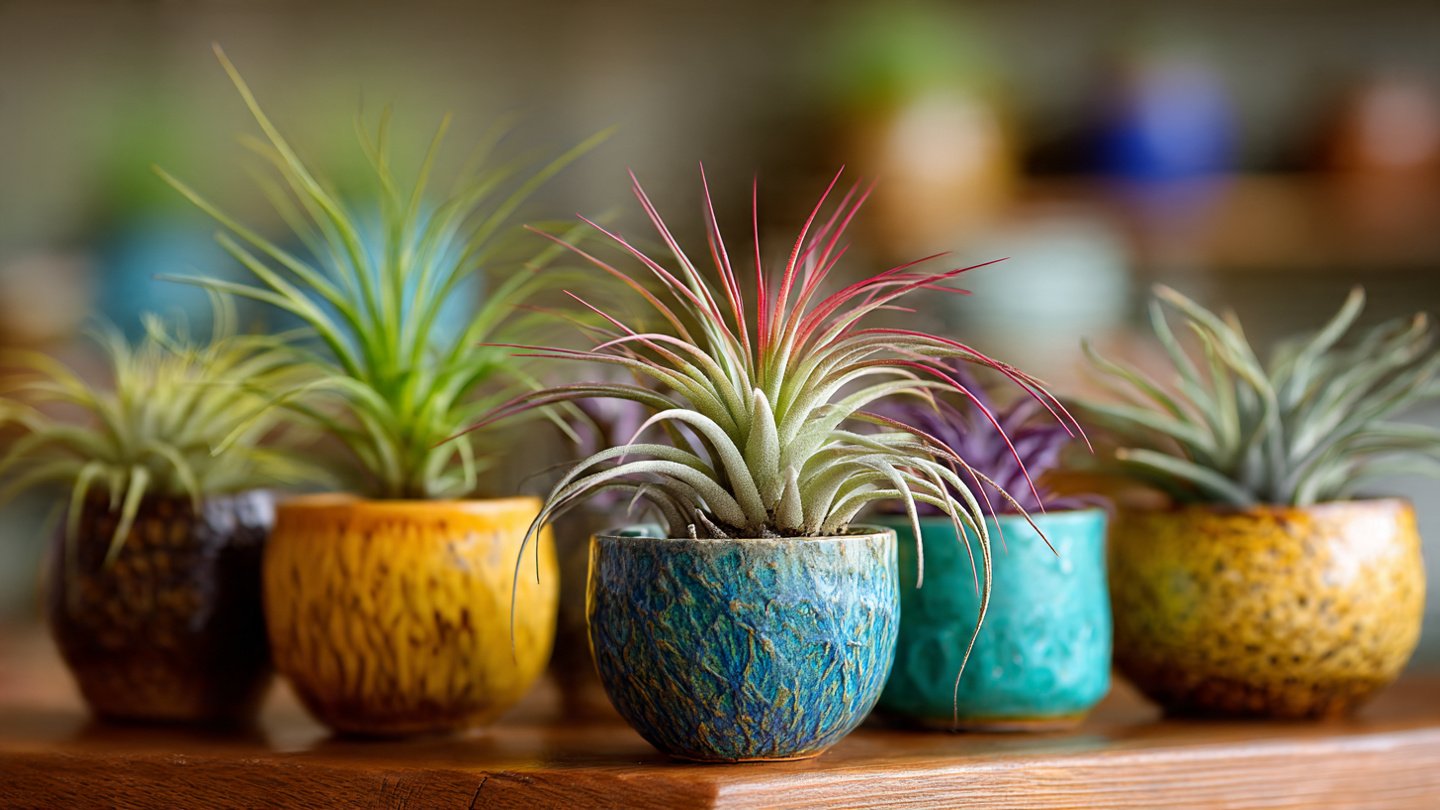
Air plants, or Tillandsia, have surged in popularity among indoor gardeners and décor enthusiasts. Their unique appearance, minimal soil requirements, and adaptability make them perfect for homes, offices, and creative DIY displays. If you’ve ever admired their sculptural beauty and wondered whether you could grow them without much effort, the good news is: you can cultivate air plants easily, even with little gardening experience.
In this guide, we’ll explore the simple way to grow air plants, how to care for them effortlessly, and tips to keep them thriving with minimal attention.
What Makes Air Plants Unique?
Unlike traditional plants, air plants don’t require soil to grow. They absorb water and nutrients through their leaves instead of roots, making them ideal for small spaces and creative displays. Key characteristics include:
- Epiphytic nature: They naturally grow on trees, rocks, and other surfaces.
- Versatile displays: Perfect for terrariums, wall mounts, hanging frames, and decorative bowls.
- Low maintenance: With the right care routine, they thrive without constant attention.
Their lightweight, exotic look combined with easy cultivation makes air plants an appealing choice for beginners and seasoned gardeners alike.
Choosing the Right Air Plant Variety
There are hundreds of air plant species, but some are easier for beginners and low-maintenance cultivation.
Beginner-Friendly Varieties:
- Tillandsia ionantha – Small, vibrant, and easy to grow.
- Tillandsia xerographica – Large, curly leaves, perfect for dramatic displays.
- Tillandsia bulbosa – Tubular, twisting leaves, highly resilient.
- Tillandsia stricta – Compact and adaptable.
Selecting resilient species ensures success even if you prefer a “set it and forget it” approach.
The Simple Way: No Soil, Minimal Care
Growing air plants the easy way focuses on three essentials: light, water, and air circulation. Follow these steps for effortless growth:
1. Choose the Right Location
Air plants need bright, indirect light to thrive.
- Ideal locations:
- Near windows with filtered sunlight
- Indoors under fluorescent lighting if natural light is limited
- Avoid direct, harsh sun, which can burn leaves, and dark corners, which stunt growth.
Proper lighting encourages healthy color, robust growth, and occasional flowering without complicated setups.
2. Provide Adequate Air Circulation
As the name suggests, air plants love air!
- Place them where air circulates naturally, like near vents or open windows.
- Avoid airtight containers without ventilation.
- Rotate plants occasionally to ensure all sides receive air.
Good airflow prevents mold and leaf rot, key factors for minimal-care cultivation.
3. Watering Made Simple
Air plants don’t need daily watering, making them perfect for low-maintenance gardening.
Easy Watering Routine:
- Soaking method: Once a week, submerge the plant in room-temperature water for 20–30 minutes.
- Shake gently to remove excess water and allow them to dry completely.
- Misting alternative: In dry climates, mist 2–3 times a week between soakings.
The key is to let air plants dry completely after watering. Soggy leaves or standing water can kill the plant, so drying time is essential.
4. Fertilization (Optional but Beneficial)
While air plants survive without fertilizer, a monthly boost can enhance growth and bloom.
- Use a water-soluble bromeliad or air plant fertilizer diluted to 1/4 strength.
- Add during soaking for best absorption.
- Fertilizing encourages vivid colors, stronger leaves, and flowering, without increasing maintenance.
5. Displaying Air Plants
Air plants are incredibly versatile in presentation. Low-maintenance displays help them thrive without extra work.
Display Ideas:
- Glass terrariums: Open containers allow airflow and reduce dust accumulation.
- Hanging frames or shells: Creative and self-sufficient, requiring minimal watering.
- Driftwood or rocks: Simply attach plants using non-toxic glue or wire.
- Mounted on walls: Adds décor value while keeping plants elevated and ventilated.
Open, ventilated displays reduce rot risk and make plants easy to care for with a simple weekly soak.
Common Mistakes to Avoid
Even minimal-care air plants can suffer if certain mistakes are made.
Mistakes:
- Overwatering or leaving plants in standing water
- Placing in low light or direct harsh sunlight
- Ignoring air circulation, causing leaves to rot
- Using tap water with high chlorine or fluoride levels
Avoiding these errors ensures your air plants grow without requiring complicated care.
Signs Your Air Plant Is Thriving
You’ll know your air plant is growing well when you notice:
- Vibrant, firm leaves
- Slight growth at the base or new offsets (pups)
- Occasional flowering or color change at leaf tips
- Roots holding loosely to surfaces (for display stability)
Healthy signs mean your minimal-care routine is working perfectly.
Propagating Air Plants: Effortless Expansion
Air plants produce offsets called pups, which are miniature versions of the parent plant.
Easy Propagation Steps:
- Wait until pups are at least 1/3 the size of the parent plant.
- Gently twist or cut away from the parent.
- Place on a suitable display with similar light and watering conditions.
Propagation is simple and creates new plants without much extra work, perfect for a care-free approach.
Troubleshooting Common Issues
Even easy-care plants can face minor issues.
Leaf Browning:
- Caused by overexposure to sun or under-watering
- Solution: Adjust location and watering routine
Soft, Limp Leaves:
- Indicates overwatering or poor drainage
- Solution: Dry completely, remove affected leaves, and adjust watering schedule
Dust and Debris:
- Air plants absorb nutrients through leaves, so keeping them clean helps growth
- Rinse or soak periodically to remove dust
Quick fixes ensure minimal intervention while keeping plants healthy.
Why Air Plants Are Perfect for Care-Free Gardening
Air plants are ideal for people who want greenery without the hassle:
- No soil required
- Infrequent watering
- Adaptable to any space
- Creative display options
- Resilient and long-lasting
Even beginners can successfully grow them indoors with minimal effort.
Final Thoughts
Air plants are more than just décor—they’re low-maintenance, versatile, and fascinating additions to any indoor space. By following this simple method:
- Provide bright, indirect light
- Ensure good air circulation
- Water weekly and allow full drying
- Fertilize monthly (optional)
- Display in open, ventilated containers
…you can cultivate beautiful, thriving air plants without constant care.
Whether you’re decorating your office, sprucing up your balcony, or creating a living centerpiece, air plants offer a unique way to enjoy greenery effortlessly. Their minimal-care nature means you can enjoy their exotic beauty without stress—making them the perfect plant for busy lifestyles or beginner gardeners.