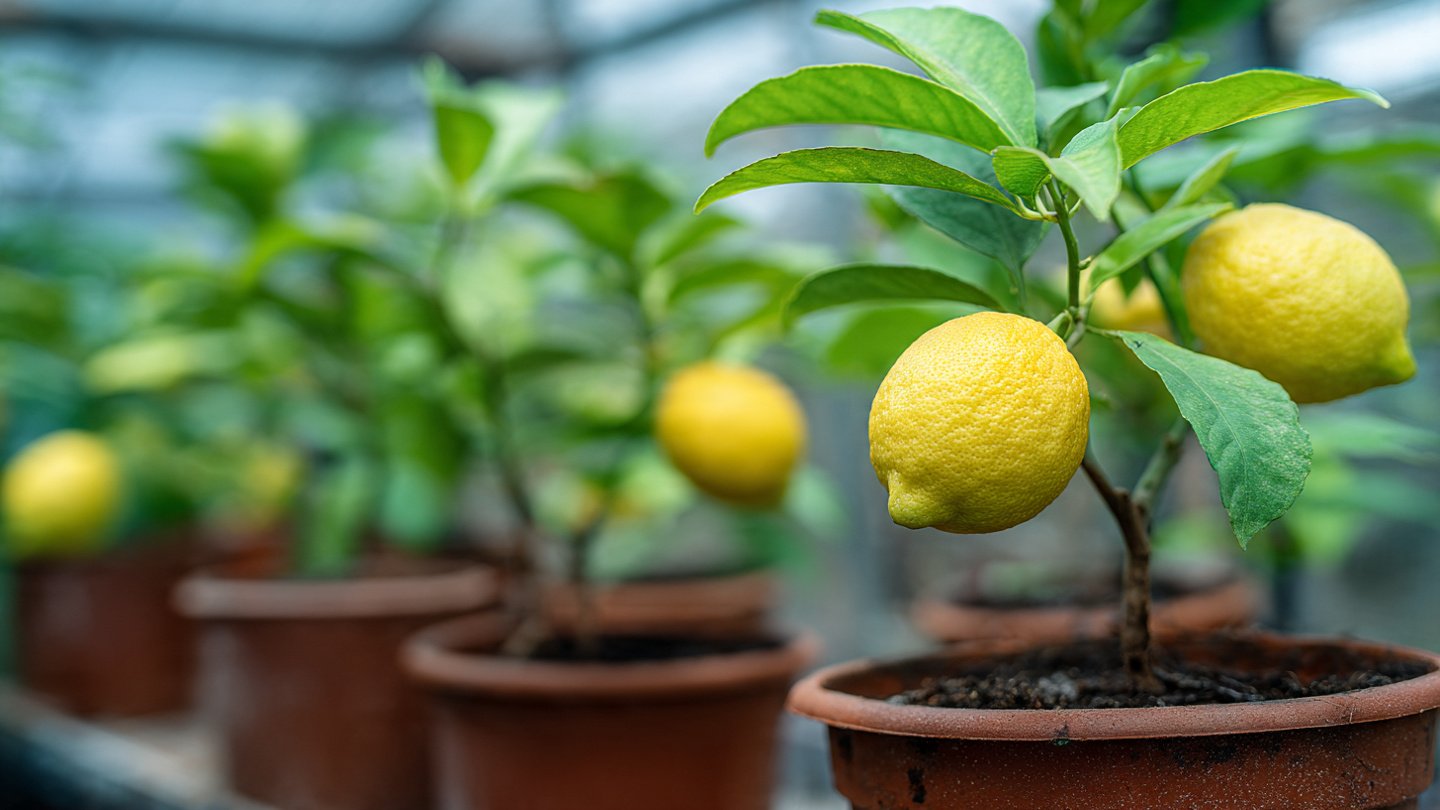
Lemon plants are prized for their fragrant flowers, glossy green leaves, and tangy, vitamin-rich fruits. Whether you are growing lemons in a backyard garden, a large orchard, or a container, proper nutrition is the key to healthy, vigorous growth and abundant fruit production. While chemical fertilizers can deliver fast results, organic nutrition offers long-term soil health, sustainability, and better fruit quality.
Developing an effective organic nutrition plan involves understanding your plant’s needs, selecting the right natural fertilizers, and creating a routine that supports both vegetative and reproductive growth. In this comprehensive guide, we will explore step by step how to create an organic feeding strategy that ensures your lemon plants thrive year-round.
Understanding the Nutritional Needs of Lemon Plants
Before designing an organic nutrition plan, it’s important to understand what lemon plants require:
- Macronutrients
- Nitrogen (N): Promotes lush, leafy growth. Young plants especially need nitrogen for canopy development.
- Phosphorus (P): Supports root development and flower initiation. Essential for fruit set.
- Potassium (K): Strengthens stems, enhances fruit quality, and improves disease resistance.
- Secondary Nutrients
- Calcium (Ca): Maintains cell structure and prevents blossom-end rot.
- Magnesium (Mg): Vital for chlorophyll production and photosynthesis.
- Sulfur (S): Helps in amino acid and protein formation.
- Micronutrients
- Iron (Fe), Zinc (Zn), Boron (B), Manganese (Mn), Copper (Cu), Molybdenum (Mo): Essential in small amounts for enzyme function, fruit development, and overall plant metabolism.
Organic feeding strategies aim to provide all these nutrients naturally, while improving soil structure and microbial activity.
Step 1: Assess Soil Health
The first step in any organic nutrition plan is knowing your soil.
- Soil Testing: Conduct a soil test to check pH, nutrient levels, and organic matter content. Lemon plants prefer slightly acidic soil with a pH of 5.5–6.5.
- Adjusting pH: If soil is too alkaline, add elemental sulfur or organic composted pine needles. If too acidic, use crushed eggshells or dolomite lime.
- Soil Texture: Loamy, well-draining soil is ideal. Amend sandy soils with compost to retain moisture and clay soils with coarse sand or compost for better aeration.
By understanding your soil’s baseline, you can apply nutrients precisely and avoid over- or underfeeding.
Step 2: Select Organic Nutrient Sources
Organic fertilizers provide essential nutrients while enriching soil microbiology. Some top options for lemon plants include:
Nitrogen Sources
- Compost: Provides slow-release nitrogen and beneficial microbes.
- Cow or Chicken Manure: Well-rotted manure is nutrient-rich and safe for young plants.
- Legume Cover Crops: Planting beans or peas nearby can naturally fix nitrogen in the soil.
Phosphorus Sources
- Bone Meal: Rich in phosphorus, it promotes strong root systems and flower development.
- Rock Phosphate: A slow-release phosphorus source that improves long-term soil fertility.
Potassium Sources
- Wood Ash: Provides potassium and helps regulate soil pH.
- Banana Peel Compost: A natural, potassium-rich amendment for container-grown lemons.
Micronutrient Sources
- Seaweed Extract: Contains trace elements like zinc, iron, and manganese.
- Neem Cake: Supplies nitrogen, phosphorus, and potassium, and also controls pests.
- Compost Tea: Enhances nutrient availability and microbial activity.
By combining these sources, you can provide a balanced organic diet that addresses all macro- and micronutrient needs.
Step 3: Design a Feeding Schedule
An effective nutrition plan considers the growth stage of the lemon plant.
For Young Lemon Plants (First 1–2 Years)
- Focus on vegetative growth.
- Apply nitrogen-rich compost or manure every 6–8 weeks during the growing season.
- Use a liquid organic fertilizer (like diluted compost tea) monthly to boost growth.
For Mature Lemon Plants
- Emphasize fruit production and quality.
- Apply a balanced organic mix with nitrogen, phosphorus, and potassium.
- Use foliar sprays of seaweed extract or compost tea every 2–3 weeks to improve flowering and fruit set.
Seasonal Adjustments
- Spring: Heavy nitrogen applications to encourage new shoots.
- Summer: Moderate feeding to support flowering and fruit growth.
- Autumn: Reduce nitrogen, increase potassium to strengthen branches for winter.
- Winter: Minimal feeding; focus on soil health rather than active growth.
A structured schedule ensures the plant receives nutrients when it needs them most.
Step 4: Apply Nutrients Correctly
How you apply organic fertilizers affects their effectiveness:
- Soil Application:
- Scatter compost or manure evenly around the root zone.
- Water immediately after application to help nutrients penetrate the soil.
- Foliar Feeding:
- Use a diluted solution of compost tea or seaweed extract.
- Spray in the early morning or late afternoon to avoid sunburn.
- Mulching:
- Apply organic mulch like straw, wood chips, or shredded leaves around the base.
- Mulch conserves moisture, moderates soil temperature, and gradually adds nutrients as it decomposes.
Proper application maximizes nutrient uptake and promotes faster growth.
Step 5: Encourage Soil Microbial Activity
Organic nutrition isn’t just about adding nutrients—it’s also about fostering a healthy soil ecosystem. Microbes help convert organic matter into plant-available nutrients.
- Add Compost Regularly: Boosts microbial populations.
- Use Mycorrhizal Fungi: Enhances root nutrient absorption.
- Avoid Chemicals: Pesticides and synthetic fertilizers can harm beneficial microbes.
Healthy soil biology supports robust lemon plant growth and reduces the need for additional fertilizer.
Step 6: Monitor Plant Health
Even with an organic plan, it’s essential to track plant growth and make adjustments:
- Leaf Color: Pale leaves may indicate nitrogen or iron deficiency.
- Growth Rate: Slow growth can signal nutrient imbalance or pest stress.
- Fruit Quality: Small or deformed fruits may indicate potassium or micronutrient shortages.
Regular observation allows timely interventions and ensures plants are thriving.
Step 7: Use Companion Plants for Enhanced Nutrition
Certain plants can complement lemon growth naturally:
- Legumes: Beans and peas fix nitrogen in the soil.
- Herbs: Basil and marigold attract beneficial insects and improve soil health.
- Cover Crops: Clover or alfalfa protect soil and gradually enrich it as green manure.
Companion planting reduces stress on lemon plants and can boost organic nutrient availability.
Step 8: Avoid Common Mistakes
To maximize growth and fruiting:
- Don’t Overfeed: Excessive nitrogen can lead to lush foliage but poor flowering.
- Avoid Waterlogging: Too much moisture can leach nutrients or cause root rot.
- Rotate Fertilizers: Regularly switch organic sources to provide balanced nutrition.
- Check Soil pH: Nutrient uptake is limited if the pH is too high or too low.
Correcting these errors early ensures steady, healthy growth.
Step 9: Benefits of an Organic Nutrition Plan
An organic nutrition plan for lemon plants offers multiple advantages:
- Sustainable Growth: Improves soil health over time.
- Better Fruit Quality: Rich flavor and higher nutrient content.
- Environmentally Friendly: Reduces chemical runoff and protects beneficial organisms.
- Long-Term Savings: Reduces reliance on costly synthetic fertilizers.
With consistent care, organic-fed lemon plants can produce vibrant leaves, fragrant flowers, and abundant fruit for years.
Final Thoughts
Developing an effective organic nutrition plan for lemon plants is not complicated, but it requires careful planning, observation, and commitment. By understanding the plant’s nutrient needs, selecting appropriate organic fertilizers, applying them at the right times, and maintaining soil health, you can achieve robust growth and bountiful harvests.
Whether you are a beginner gardener or an experienced grower, an organic approach ensures healthy plants, flavorful fruits, and a sustainable gardening practice. With patience, consistency, and the strategies outlined above, your lemon plants can thrive naturally and reward you with luscious, homegrown lemons year after year.