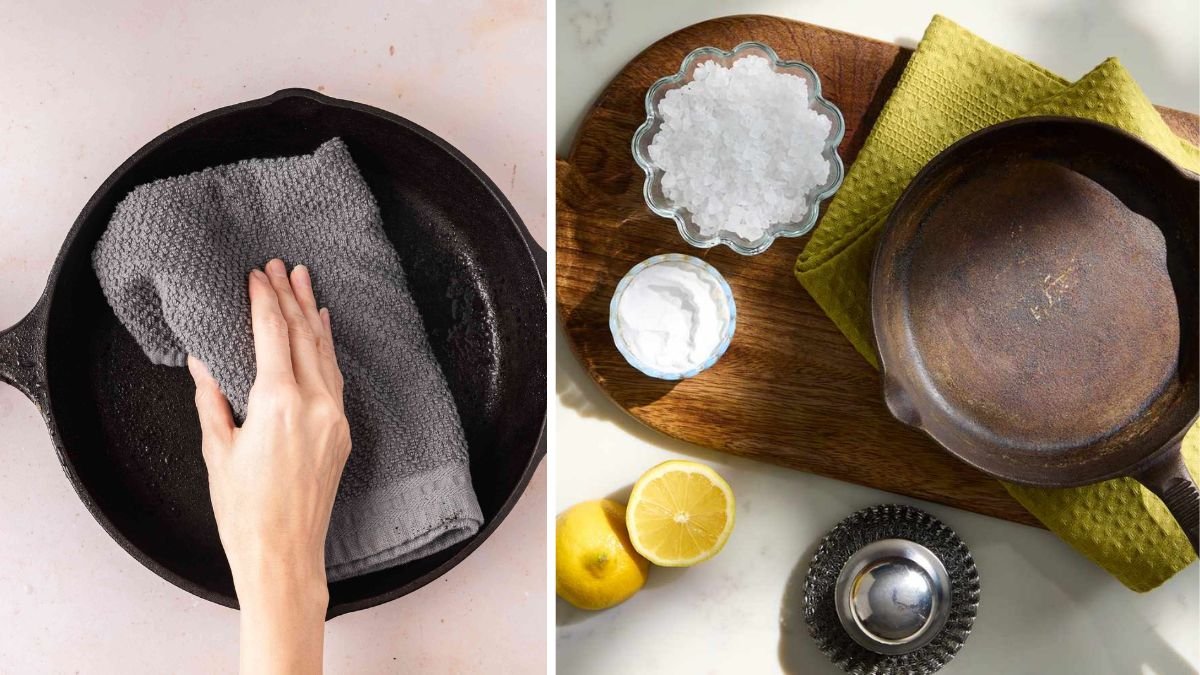
Cast iron cookware is a kitchen staple for many home cooks and professional chefs alike. Its durability, heat retention, and versatility make it ideal for searing, frying, baking, and even slow-cooking. However, one common issue that plagues cast iron enthusiasts is rust. Even the most well-loved cast iron skillet or Dutch oven can develop a layer of rust if not properly cared for. Fortunately, with the right techniques, you can deep clean cast iron, remove rust, and restore it to its former glory.
Understanding Cast Iron and Rust
Cast iron is a type of cookware made from molten iron, which is poured into molds and allowed to cool. The surface of cast iron cookware is prone to rust because iron reacts with moisture and oxygen to form iron oxide, commonly known as rust. This is especially true if the pan is left wet or stored in a humid environment.
A seasoned cast iron pan has a protective layer of polymerized oil, which creates a natural non-stick surface and prevents rust. When this layer is compromised—by scrubbing with harsh detergents, improper drying, or cooking acidic foods—the bare metal is exposed to the elements, and rust can form.
Recognizing rust early is essential. Rust typically appears as orange or reddish-brown spots and may feel rough to the touch. If left untreated, rust can penetrate deeper into the cast iron, weakening the pan and affecting its performance.
Step-by-Step Guide to Deep Cleaning Rusty Cast Iron
Cleaning cast iron to remove rust requires patience and care. Here’s a comprehensive method that restores your cookware without damaging it.
1. Gather Your Supplies
Before you begin, gather the following materials:
- Steel wool or a stiff-bristled brush
- Mild dish soap (optional)
- White vinegar
- Water
- Baking soda
- Clean cloths or paper towels
- Vegetable oil or flaxseed oil
- Oven for seasoning
Having everything ready ensures a smooth cleaning process and prevents frustration midway.
2. Scrub Off Loose Rust
Start by removing loose rust particles:
- Use steel wool or a stiff brush to scrub the rusty areas.
- Apply firm pressure, but avoid aggressive scraping that could pit the metal.
- Rinse the pan with warm water to wash away loosened rust.
This step eliminates surface rust and prepares the pan for a deeper cleaning method.
3. Use a Vinegar Soak for Stubborn Rust
For persistent rust, a vinegar soak is highly effective:
- Mix equal parts white vinegar and water in a container large enough to submerge the pan.
- Place the rusty cast iron in the solution, ensuring it is fully submerged.
- Soak for up to 1 hour. Keep a close eye on the pan—soaking too long can damage the cast iron.
- Remove the pan and scrub with steel wool or a brush to remove the loosened rust.
Pro Tip: Never soak cast iron for more than an hour unless absolutely necessary, as prolonged exposure to vinegar can start to eat away at the metal.
4. Neutralize the Vinegar
After a vinegar soak, it’s essential to neutralize any acidic residue:
- Sprinkle baking soda generously over the pan.
- Scrub the surface lightly; the baking soda reacts with leftover vinegar, preventing further corrosion.
- Rinse thoroughly with warm water.
This step ensures the metal is safe and ready for re-seasoning.
5. Wash and Dry Thoroughly
Once rust is removed, wash the pan:
- Use a small amount of mild dish soap if needed.
- Scrub the surface gently to remove any debris.
- Rinse with warm water.
Drying is critical because moisture is the primary cause of rust. Use a clean cloth or paper towels to dry completely, or place the pan over low heat on a stovetop for a few minutes to evaporate any remaining water.
6. Re-Season Your Cast Iron
After rust removal, the protective seasoning layer has been compromised, so re-seasoning is necessary to restore the non-stick surface:
- Preheat your oven to 450°F (230°C).
- Apply a thin, even layer of vegetable oil or flaxseed oil over the entire pan, including the handle and exterior.
- Place the pan upside down on the oven rack. Put a sheet of aluminum foil on the lower rack to catch any drips.
- Bake for 1 hour, then turn off the oven and allow the pan to cool completely inside.
Repeat the seasoning process 2–3 times for optimal results. A well-seasoned pan should have a smooth, slightly shiny black surface.
Maintenance Tips to Prevent Rust
Once your cast iron is restored, proper maintenance prevents rust from forming again.
1. Avoid Excessive Water Exposure
- Wash cast iron with minimal water.
- Never soak for long periods.
- Dry immediately after washing.
2. Regular Oil Treatments
- After each use, apply a thin layer of oil to the pan while it’s still warm.
- This replenishes the seasoning layer and protects against moisture.
3. Proper Storage
- Store cast iron in a dry environment.
- Avoid stacking with other cookware unless you place paper towels between pans to absorb moisture.
4. Use for Suitable Foods
- Avoid cooking highly acidic foods (like tomatoes) in newly seasoned cast iron, as acid can strip the seasoning.
- Once the pan is well-seasoned, occasional acidic cooking is fine, but monitor the surface.
5. Gentle Cleaning for Regular Use
- For everyday cleaning, use a soft brush or sponge instead of steel wool.
- Hot water and a gentle scrub are often sufficient.
- If stuck-on food is present, simmer a bit of water in the pan to loosen it.
Advanced Techniques for Heavy Rust
For severely rusted pans, a more intensive method may be necessary:
- Electrolysis: This method uses an electric current to remove rust chemically. It requires a car battery charger, water, and washing soda. Electrolysis is effective for antique or badly corroded cast iron.
- Sandblasting or Abrasive Blasting: Professional restoration services can sandblast the rust off, providing a clean surface for seasoning. This is typically for high-value vintage pieces.
These methods are generally reserved for collectors or those with large, deeply rusted cookware.
Signs Your Cast Iron Is Ready for Use Again
After cleaning and seasoning, your cast iron should:
- Have a smooth, matte or slightly shiny black surface.
- Feel non-sticky when lightly oiled.
- Retain heat evenly on the stovetop or in the oven.
A restored pan will perform as well as—or sometimes even better than—when it was new.
Conclusion
Rust is a common challenge with cast iron cookware, but it doesn’t have to mean the end of your pan. By understanding the causes of rust, performing a deep clean, and carefully re-seasoning, you can restore even the most neglected cast iron to its full potential.
Regular maintenance—drying, oiling, and proper storage—ensures your pan remains rust-free and ready for years of delicious meals. Whether you’re searing a steak, baking cornbread, or simmering a stew, a well-maintained cast iron pan is a reliable and long-lasting kitchen companion.
With patience and consistent care, that layer of rust will be gone for good, leaving you with cookware that’s both beautiful and functional. Investing time in deep cleaning and seasoning your cast iron pays off with superior cooking results, a natural non-stick surface, and the satisfaction of bringing a cherished pan back to life.