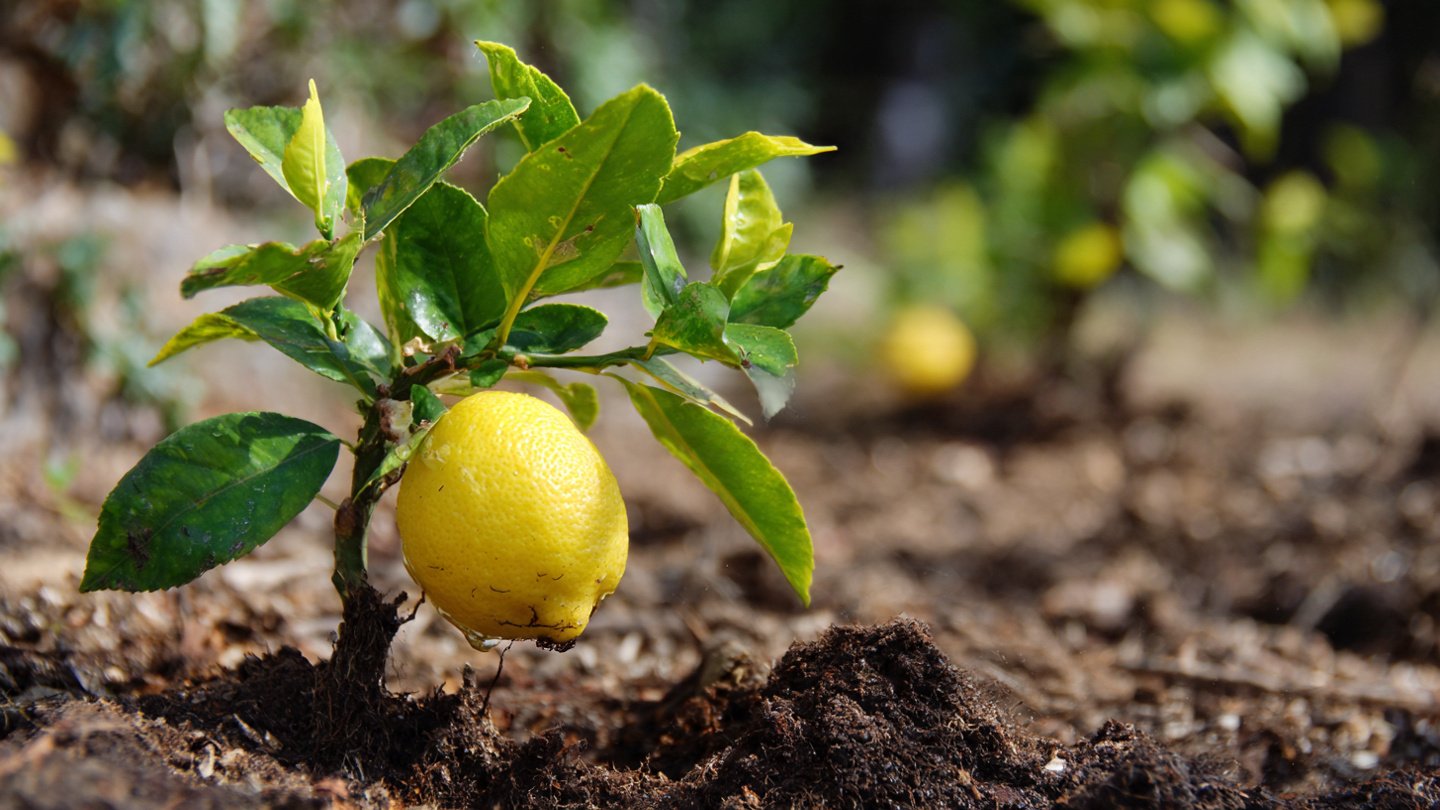
Growing a lemon tree is a rewarding experience. From the fragrance of its blossoms to the zest of fresh fruit, a healthy lemon tree can transform your garden or balcony into a citrus paradise. However, one of the most important factors in successful lemon cultivation is soil quality. A well-balanced, nutrient-rich soil mix ensures strong roots, vibrant leaves, and juicy fruits.
In this ultimate guide, we’ll explore how to create the perfect lemon soil mix, why it matters, and tips to optimize your tree’s growth at every stage.
Why Soil Matters for Lemon Trees
Lemon trees thrive when their roots have access to well-draining, fertile, and slightly acidic soil. The wrong soil can lead to:
- Poor root development
- Nutrient deficiencies
- Stunted growth
- Susceptibility to pests and diseases
A proper lemon soil mix creates an environment where:
- Water drains efficiently without causing root rot
- Roots receive essential nutrients
- Aeration allows oxygen to reach the roots
- pH levels support nutrient absorption
Understanding Lemon Tree Soil Requirements
Before creating your soil mix, it’s essential to know what lemon trees need:
1. Drainage
Lemon trees do not like “wet feet.” Standing water can cause root rot. Good drainage ensures excess water flows away while roots remain moist.
2. Soil Texture
Ideal soil should be loamy—a balance of sand, silt, and clay. Loamy soil retains moisture and nutrients while allowing roots to grow freely.
3. Soil pH
Lemon trees prefer slightly acidic soil, with a pH between 5.5 and 6.5. Acidic soil helps the tree absorb essential nutrients like nitrogen, magnesium, and iron.
4. Nutrient Content
Lemon trees need nitrogen, phosphorus, potassium, and trace minerals for optimal growth. A nutrient-rich soil mix ensures continuous leaf and fruit production.
Ingredients for the Perfect Lemon Soil Mix
Creating a high-quality lemon soil mix involves combining several components to balance drainage, aeration, and fertility.
1. Garden Soil or Loamy Soil
- Provides the main structure of the mix
- Choose well-draining, fertile soil
- Avoid heavy clay soil, which holds too much water
2. Compost or Organic Matter
- Adds essential nutrients
- Improves soil structure and water retention
- Use well-rotted compost from kitchen scraps or garden debris
3. Coarse Sand
- Improves drainage and prevents compacted soil
- Helps roots grow more freely
- Use horticultural or river sand, not fine sand
4. Perlite or Vermiculite
- Enhances aeration
- Maintains moisture without waterlogging
- Use 10–20% of the total soil volume for optimal root health
5. Coconut Coir or Peat Moss
- Retains moisture and nutrients
- Provides acidity for nutrient absorption
- Coconut coir is a sustainable alternative to peat moss
Step-by-Step Guide to Creating Lemon Soil Mix
Step 1: Measure Your Ingredients
A good ratio for lemon soil mix is:
- 40% garden or loamy soil
- 30% compost or organic matter
- 20% coarse sand
- 10% perlite or vermiculite
For acidic preference, add a handful of coconut coir or peat moss.
Step 2: Combine the Dry Ingredients
- In a large container or wheelbarrow, mix the garden soil, sand, perlite, and coconut coir
- Mix thoroughly until evenly distributed
Step 3: Incorporate Compost
- Add the compost gradually while mixing
- Ensure no clumps remain, and the soil is uniform
Step 4: Test Soil Texture
- Take a handful and squeeze gently
- It should hold shape lightly but crumble easily
- Adjust with sand for drainage or compost for moisture retention if necessary
Step 5: Check Soil pH
- Use a pH meter or testing kit
- Ideal range: 5.5–6.5
- Adjust if needed:
- To increase acidity: Add elemental sulfur or sphagnum peat
- To reduce acidity: Add a small amount of lime
Additional Tips for Perfect Lemon Soil
1. Sterilize Soil for Potted Lemons
If using garden soil for containers, sterilize it to remove pests, fungi, or weed seeds. This can be done by:
- Baking at 180°F (82°C) for 30 minutes
- Using solarization (covering with clear plastic under the sun for 4–6 weeks)
2. Maintain Proper Moisture
The soil should be moist but not soggy. Overwatering is one of the most common mistakes in lemon cultivation.
3. Fertilize Appropriately
Even with rich soil, lemon trees benefit from occasional fertilization:
- Use a slow-release citrus fertilizer every 6–8 weeks
- Include micronutrients like magnesium and iron
4. Use Mulch on Top
- Apply a 2-inch layer of organic mulch
- Helps retain moisture, regulate soil temperature, and reduce weeds
Preparing Soil for Planting Lemon Trees
For Containers
- Select a pot with adequate drainage holes
- Fill 2/3 with soil mix, leaving space for watering
- Gently plant the tree, ensuring the root ball sits at the same depth as before
For Garden Beds
- Dig a hole twice the size of the root ball
- Fill the hole with the prepared soil mix
- Water thoroughly after planting
Common Mistakes to Avoid
- Using heavy clay soil – Causes waterlogging and root rot
- Skipping compost – Leads to nutrient deficiencies and poor growth
- Incorrect pH – Too alkaline or acidic soil can stunt growth
- Overcompacting soil – Roots need air to thrive
- Neglecting drainage in pots – Always ensure holes at the bottom
Benefits of a Well-Balanced Lemon Soil Mix
- Promotes healthy root development
- Encourages strong foliage and fruit production
- Reduces the risk of diseases and pests
- Enhances water retention without overwatering
- Ensures balanced nutrient supply for long-term growth
With a perfect soil mix, lemon trees flourish, producing fragrant flowers and abundant, juicy fruits.
Optional Soil Additives for Boosted Growth
For gardeners seeking to optimize growth further:
- Biochar – Improves soil structure and nutrient retention
- Mycorrhizal fungi – Promotes root health and nutrient uptake
- Seaweed extract – Provides natural growth hormones
These additives are optional but can give container or garden-grown lemons an extra boost.
Final Thoughts: Your Lemon Tree Success Starts in the Soil
Creating the perfect lemon soil mix is the foundation of a thriving citrus tree. By combining well-draining loamy soil, compost, sand, and aeration-enhancing additives, you create an environment where your lemon tree’s roots can absorb water and nutrients efficiently. Adjusting pH, maintaining moisture, and using proper fertilizers ensures your tree grows strong, flowers abundantly, and produces delicious, healthy fruit.
Whether planting in pots on a balcony or in a backyard garden, the right soil mix is your first step toward a lush, productive lemon tree that will reward you with beauty, fragrance, and fresh lemons for years to come.