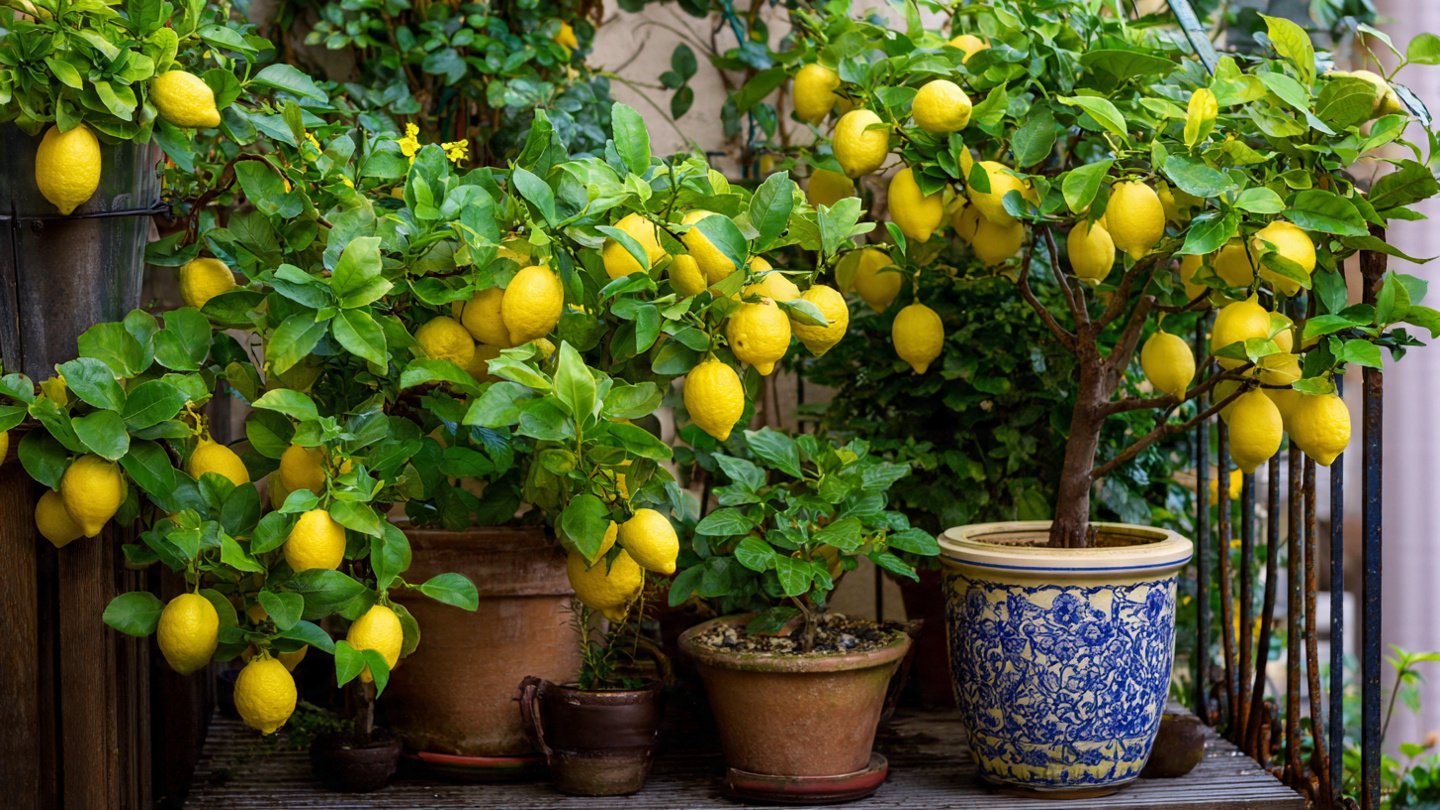
Lemon trees are not only beautiful and fragrant, but they also offer delicious, fresh fruit and a vibrant splash of green for your home. Even if you live in an apartment or have a small balcony, you can grow a thriving lemon garden with the right approach. Balcony gardening offers the dual benefits of bringing nature closer to your living space and giving you fresh, homegrown lemons within easy reach.
However, successfully growing lemon trees in containers requires some planning and care. Unlike trees planted in the ground, balcony lemons are more sensitive to watering, sunlight, and nutrient levels. With thoughtful attention, you can turn your balcony into a miniature citrus paradise that produces healthy foliage and zesty fruit year-round.
This guide will provide practical tips and step-by-step strategies to help you create a thriving lemon balcony garden.
1. Choosing the Right Lemon Variety for Balcony Gardening
The first step to a successful balcony garden is selecting a lemon variety suited to container growth and small spaces. Some lemon varieties naturally remain compact, making them ideal for pots and balconies.
Recommended varieties:
- Improved Meyer Lemon: Compact, semi-dwarf, sweeter fruit, tolerates slightly cooler conditions.
- Ponderosa Lemon: Large fruit, vigorous growth, works well in large containers.
- Lisbon Lemon: Hardy variety with upright growth, suitable for containers if pruned regularly.
Choosing a variety that naturally thrives in pots reduces maintenance and improves your chances of a productive balcony garden.
2. Selecting the Right Container
Container size is crucial for the health and growth of your lemon trees. A pot that is too small can restrict root development, while a pot that is too large may retain excess water and cause root rot.
Container tips:
- Start with a pot at least 12–16 inches in diameter for young trees.
- Mature trees may require containers 18–24 inches wide.
- Ensure your container has drainage holes to prevent waterlogging.
- Materials such as terracotta, ceramic, or high-quality plastic work well. Terracotta pots are breathable but may dry out faster, so monitor watering.
A properly sized and well-draining container is the foundation of a healthy balcony lemon garden.
3. Using the Right Soil Mix
Lemon trees need soil that is well-draining, nutrient-rich, and slightly acidic. Garden soil alone is not suitable for container growing because it can compact and retain too much moisture.
Recommended soil mix for balcony lemons:
- 2 parts good-quality potting soil
- 1 part perlite or coarse sand (for drainage)
- 1 part compost (for nutrients)
This mix ensures roots get sufficient oxygen and moisture while avoiding waterlogging.
4. Providing Optimal Sunlight
Lemon trees are sun-loving plants that require ample light for healthy growth and fruit production. On a balcony, sunlight exposure may vary depending on orientation and surrounding structures.
Sunlight tips:
- Provide 6–8 hours of direct sunlight daily.
- If sunlight is limited, place the tree near a south-facing wall or rotate the container periodically.
- In extremely hot climates, some afternoon shade can prevent leaf burn.
Adequate sunlight is the single most important factor for a productive balcony lemon tree.
5. Watering Properly
One of the most common mistakes in container gardening is overwatering or underwatering. Lemon trees in pots require consistent moisture but dislike sitting in soggy soil.
Watering guidelines:
- Water deeply when the top 1–2 inches of soil feel dry.
- Ensure water drains freely from the pot’s holes.
- Reduce watering in winter when growth slows, and increase slightly during flowering and fruiting.
Consistent, careful watering helps prevent root rot while keeping the tree hydrated and thriving.
6. Fertilizing Regularly
Container-grown lemons rely on soil nutrients, which can become depleted faster than in-ground trees. Proper fertilization supports growth, flowering, and fruiting.
Fertilization tips:
- Use a citrus-specific fertilizer with nitrogen, phosphorus, potassium, and trace minerals.
- Fertilize every 4–6 weeks during the growing season (spring to early autumn).
- Reduce fertilization in winter.
- Incorporate organic options like compost tea or diluted fish emulsion to improve soil health.
Balanced nutrition ensures lush foliage, abundant flowers, and juicy lemons.
7. Pruning for Size and Health
Pruning helps maintain manageable size, improve airflow, and promote fruit production—critical for balcony gardening.
Pruning tips:
- Remove dead, damaged, or crossing branches.
- Trim overly vigorous shoots to maintain a compact shape.
- Prune lightly after fruiting to stimulate new growth.
- Avoid heavy pruning in winter when the tree is dormant.
Regular pruning keeps your lemon tree healthy, attractive, and manageable in a confined space.
8. Pollination
While lemon trees can self-pollinate, helping with pollination can improve fruit set, especially on balconies where wind or insects may be limited.
Pollination tips:
- Gently shake the branches during flowering to distribute pollen.
- Use a small paintbrush or cotton swab to transfer pollen between flowers.
- Encourage pollinators such as bees by planting companion flowers like marigolds, lavender, or nasturtiums nearby.
Effective pollination increases the number and quality of fruits.
9. Controlling Pests Naturally
Balcony lemon trees can attract pests like aphids, spider mites, or scale insects. Using natural methods keeps your garden safe and productive.
Natural pest control strategies:
- Spray soapy water or neem oil for aphids and scale.
- Introduce beneficial insects like ladybugs if possible.
- Regularly inspect leaves for early signs of infestation.
- Maintain good airflow and avoid overwatering, which can attract pests.
Preventing pest buildup ensures a healthy and thriving tree.
10. Winter Care for Balcony Lemon Trees
Even in mild climates, balcony-grown lemons are more exposed to cold than in-ground trees. Protecting them during winter is essential.
Winter care tips:
- Move pots closer to walls or indoors if temperatures drop below 10°C (50°F).
- Wrap pots with insulating material to protect roots.
- Reduce watering but prevent soil from drying out completely.
- Use a frost cloth or shade net if a sudden cold snap occurs.
Proper winter care ensures your lemon tree survives the season and produces fruit year after year.
11. Companion Planting and Aesthetic Tips
A balcony garden is not just about fruit production; it’s about creating a pleasant space. Companion planting can enhance both aesthetics and tree health.
Companion ideas:
- Plant herbs like basil, mint, or rosemary around your lemon tree to maximize space and repel pests.
- Include flowering plants that attract pollinators.
- Arrange multiple containers at different heights for a lush, layered look.
Thoughtful design turns your balcony into a productive and visually appealing oasis.
12. Harvesting Your Lemons
Knowing when and how to harvest ensures peak flavor and promotes continuous fruiting.
Harvesting tips:
- Lemons are ready when they are fully yellow or have a slight green blush, depending on the variety.
- Gently twist or snip the fruit from the branch to avoid damage.
- Regular harvesting encourages the tree to produce more flowers and fruit.
Timely harvesting keeps your balcony lemon garden productive and rewarding.
13. Troubleshooting Common Balcony Lemon Issues
Even with careful care, balcony lemon trees can face challenges:
- Yellow leaves: Usually caused by overwatering, poor drainage, or nutrient deficiency.
- Leaf drop: Often due to sudden changes in temperature, low humidity, or underwatering.
- Poor flowering or fruiting: May result from inadequate sunlight, excessive nitrogen, or poor pollination.
By observing your tree regularly and adjusting care, these issues can be corrected naturally.
Final Thoughts
Creating a thriving lemon balcony garden is entirely achievable with the right approach. From choosing a suitable variety and container to providing proper sunlight, water, and nutrients, every step contributes to a healthy, productive tree. Regular pruning, pollination, and pest management ensure your lemon tree stays compact, strong, and fruitful year after year.
With a little planning and care, your balcony can become a vibrant citrus haven, producing fresh, homegrown lemons while adding beauty and fragrance to your living space. Whether you enjoy fresh juice, zest for cooking, or simply the pleasure of watching your tree flourish, a balcony lemon garden is a rewarding and natural way to bring a touch of orchard life to your home.