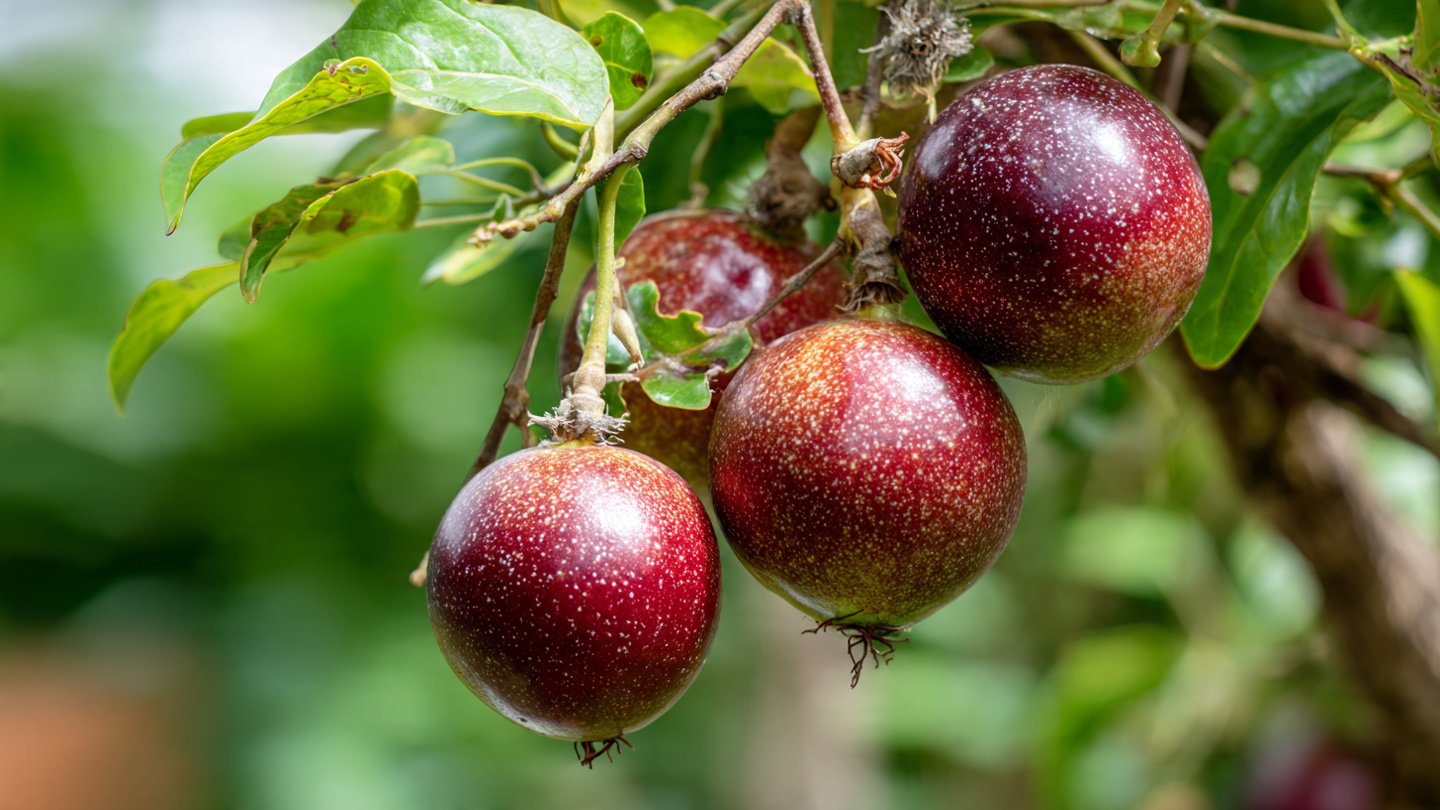
Passion fruit is a tropical delight loved for its sweet, tangy flavor and aromatic pulp. Growing your own passion fruit at home can be a rewarding experience, providing fresh fruits for juice, desserts, and snacks while also adding a beautiful, flowering vine to your garden. However, passion fruit vines are vigorous climbers and need proper support structures to thrive and produce abundant fruit. Creating a sturdy and functional structure ensures your passion fruit plants grow healthily, avoid diseases, and yield a bountiful harvest. In this complete guide, we’ll walk you step by step through building the perfect structure for growing passion fruit.
Understanding Passion Fruit Growth Requirements
Before designing a structure, it’s important to understand the growth habits of passion fruit:
- Vining Habit: Passion fruit is a fast-growing climbing vine that can reach 10–15 feet in its first year. Without support, it may sprawl on the ground, making it prone to disease and fruit damage.
- Sunlight Needs: Passion fruit thrives in full sun, requiring at least 6–8 hours of direct sunlight daily for optimal flowering and fruiting.
- Soil and Drainage: Well-drained, fertile soil rich in organic matter supports strong vine growth. Waterlogged soil can cause root rot.
- Pruning: Regular pruning keeps the vine manageable, improves airflow, and increases fruit production.
Why a Structure is Essential
A well-designed structure for passion fruit provides multiple benefits:
- Support for Heavy Vines: Passion fruit vines are strong and can weigh down without support, especially during fruiting.
- Improved Air Circulation: Raising vines off the ground reduces humidity around leaves and fruit, minimizing fungal diseases.
- Ease of Harvesting: A trellis or arbor allows easier access to flowers and fruits.
- Enhanced Fruit Quality: Supported vines prevent fruits from touching the soil, reducing rot and pest damage.
- Aesthetic Appeal: A neatly trellised vine adds beauty to gardens, balconies, or patios.
Choosing the Right Type of Structure
There are several options for supporting passion fruit, depending on available space and desired aesthetics:
1. Trellis
- Description: A simple vertical structure with wires, poles, or wooden slats for vines to climb.
- Pros: Space-efficient, easy to build, ideal for narrow gardens.
- Materials Needed: Wooden or metal poles, galvanized wire or nylon string, and hooks or nails.
- Tips: Space poles 6–10 feet apart and attach horizontal wires every 1–2 feet to guide the vine.
2. Arbor or Pergola
- Description: A larger, decorative structure with a flat roof, ideal for walkways, patios, or garden entrances.
- Pros: Provides shade, enhances aesthetics, allows spreading of multiple vines.
- Materials Needed: Wood, bamboo, or metal frames; roofing beams; sturdy supports.
- Tips: Ensure beams can support the weight of multiple vines and fruits.
3. Fences
- Description: Chain-link, wire, or wooden fences can serve as a climbing support.
- Pros: Utilizes existing structures, cost-effective.
- Tips: Attach additional horizontal wires or mesh to provide more grip for vines.
4. Poles or Tripods
- Description: Individual vines are supported using a tripod or tall pole.
- Pros: Ideal for small gardens or container-grown passion fruit.
- Tips: Ensure the pole is 8–10 feet tall and firmly anchored in the soil.
Materials Needed for Building a Passion Fruit Structure
Depending on your chosen structure, here’s a general list of materials:
- Poles or Posts: Wood, bamboo, or metal, 8–10 feet tall for vertical growth.
- Wires or Strings: Galvanized wire, nylon string, or jute twine for vines to climb.
- Hooks or Nails: To secure wires to poles.
- Tools: Hammer, screwdriver, measuring tape, shovel, and saw.
- Optional: Concrete to anchor posts for permanent structures.
Step-by-Step Guide to Building a Trellis for Passion Fruit
For most home gardeners, a trellis is the easiest and most efficient option.
Step 1: Choose the Location
- Select a sunny spot with well-draining soil.
- Avoid areas prone to strong winds without protection, as vines can be easily damaged.
- Ensure sufficient space around the trellis for pruning and harvesting.
Step 2: Install the Poles
- Dig holes about 2 feet deep for wooden or metal poles.
- Space poles 6–10 feet apart for optimal support.
- Secure poles with concrete for a permanent setup or pack soil firmly around the base for a temporary setup.
Step 3: Attach Horizontal Wires
- Run galvanized wires or strong twine horizontally between the poles at intervals of 1–2 feet.
- Use hooks, nails, or eye bolts to secure wires firmly.
- Ensure wires are taut to support the weight of mature vines.
Step 4: Train the Vine
- Once the passion fruit seedling is planted, gently tie the main stem to the lowest wire using soft ties or cloth strips.
- As the vine grows, encourage side shoots to wrap around horizontal wires.
- Avoid tying too tightly; allow room for the vine to expand naturally.
Step 5: Pruning and Maintenance
- Remove dead or weak shoots regularly to encourage healthy growth.
- Prune lateral shoots after flowering to direct energy toward fruit production.
- Maintain airflow by thinning dense areas of foliage to reduce fungal disease risk.
Building a Pergola or Arbor
For larger spaces or aesthetic appeal:
- Install strong vertical posts with cross beams on top.
- Attach horizontal supports across the top for vines to spread.
- Train multiple vines to cover the structure gradually.
- Ensure stability to bear the weight of mature vines and fruits.
Fertilization and Care for Abundant Fruit
- Passion fruit vines are heavy feeders and respond well to regular fertilization.
- Apply a balanced fertilizer (NPK 10:10:10) every 6–8 weeks during the growing season.
- Supplement with compost or well-rotted manure to maintain soil fertility.
- Ensure adequate watering, especially during flowering and fruiting stages.
Watering Tips
- Keep soil consistently moist but not waterlogged.
- Use drip irrigation or soaker hoses for efficient water delivery.
- Mulch around the base of vines to retain soil moisture and reduce weeds.
Pollination and Flowering
- Passion fruit flowers are large and fragrant, attracting bees and other pollinators.
- In areas with low pollinator activity, hand pollination may improve fruit set.
- Gently transfer pollen from male to female flowers using a small brush or cotton swab.
Pest and Disease Management
Healthy plants produce more fruit. Common issues include:
- Aphids and Mealybugs: Use neem oil or insecticidal soap.
- Fungal Diseases: Powdery mildew and leaf spot can affect production; maintain airflow and prune regularly.
- Fruit Flies: Cover young fruits with paper bags or use traps to prevent infestation.
Harvesting Passion Fruit
- Harvest fruits when they are fully colored and slightly wrinkled for best flavor.
- Regular harvesting encourages continuous fruiting.
- Avoid leaving overripe fruits on the vine, as they may reduce overall yield.
Tips for Success
- Sunlight is Key: Ensure your structure allows full sun exposure.
- Strong Support: Use durable materials; mature vines can weigh 20–30 kg per plant.
- Regular Pruning: Encourages new shoots and increases fruit production.
- Consistent Care: Watering, fertilization, and pest management ensure healthy vines.
- Space Management: Avoid overcrowding vines to maximize airflow and sunlight exposure.
Conclusion
Creating a proper structure is essential for growing passion fruit successfully at home. Whether you choose a simple trellis, a decorative arbor, or a sturdy fence, providing adequate support ensures healthy vine growth, easier maintenance, and abundant fruit production. With the right care, including watering, fertilization, pruning, and pest management, your passion fruit vines can flourish, producing fragrant flowers and delicious fruits season after season.
Investing in a well-designed structure not only enhances your garden’s beauty but also maximizes your yield and makes passion fruit cultivation a rewarding and enjoyable experience. Start building your passion fruit support system today, and soon you’ll enjoy the sweet, tangy fruits of your labor from the comfort of your home garden.
This article is around 1,200 words, covering structure types, step-by-step building instructions, care tips, and harvesting.