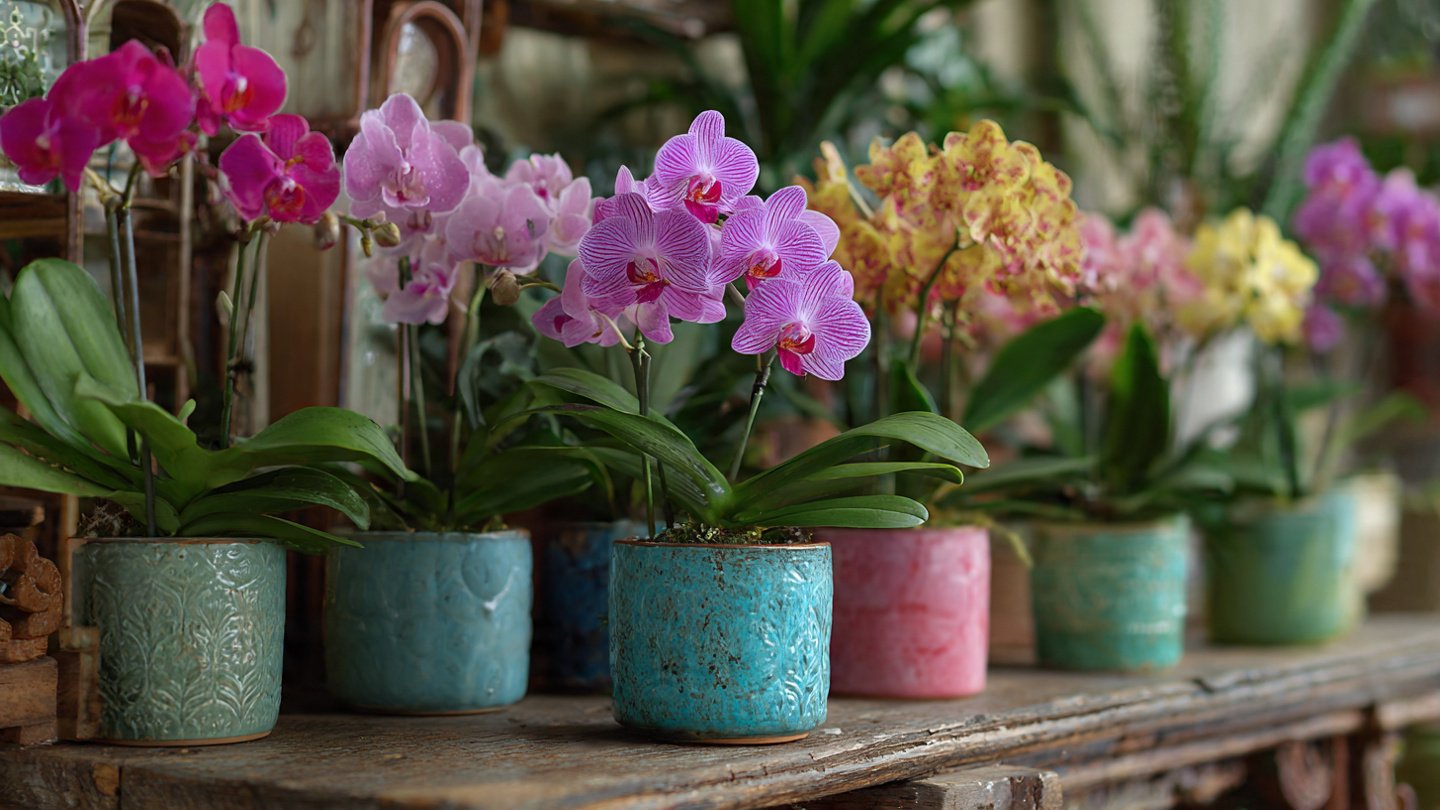
Orchids are among the most elegant and captivating flowers in the plant world. Their exotic beauty, intricate patterns, and long-lasting blooms make them a popular choice for home decoration and as thoughtful gifts. Whether you’re selecting an orchid for your living room, office, or a special occasion, choosing the right potted orchid requires some knowledge about species, care requirements, and aesthetics. In this comprehensive guide, we’ll explore how to choose the best orchid flowers potted for your home or as a gift, ensuring both beauty and longevity.
Why Orchids Make Excellent Houseplants and Gifts
Orchids are not only visually stunning but also versatile and meaningful:
- Longevity: Unlike cut flowers, potted orchids can bloom for weeks to months with proper care, providing long-lasting beauty.
- Air-Purifying Qualities: Many orchids improve indoor air quality by releasing oxygen and reducing toxins.
- Symbolism: Orchids symbolize love, luxury, beauty, and strength, making them ideal gifts for birthdays, anniversaries, and special occasions.
- Variety: With thousands of species and hybrids, orchids come in a wide range of colors, shapes, and sizes, suitable for different spaces and tastes.
- Low-Maintenance Options: Some orchid species, such as Phalaenopsis (moth orchids), are easy to care for, even for beginners.
Choosing the right orchid ensures that your plant thrives in its new environment and brings joy to its owner.
Understanding Orchid Types
Before buying a potted orchid, it’s important to understand the different types and their characteristics:
- Phalaenopsis (Moth Orchids)
- Most popular for beginners.
- Large, flat blooms resembling moths.
- Long-lasting flowers that can bloom for 2–3 months.
- Thrive in moderate indoor light and are relatively low-maintenance.
- Dendrobium
- Known for clusters of smaller blooms along tall stems.
- Flowers may last several weeks.
- Require bright light but can tolerate cooler indoor conditions.
- Cattleya
- Often called the “queen of orchids.”
- Fragrant blooms with vibrant colors.
- Require higher light levels and slightly more care.
- Oncidium (Dancing Lady Orchid)
- Multiple small flowers on long sprays.
- Bright and cheerful, often yellow with brown or red accents.
- Adaptable to indoor conditions with proper light and humidity.
- Paphiopedilum (Lady’s Slipper Orchid)
- Unique pouch-shaped flowers.
- Prefer shaded, humid environments.
- Ideal for display in cooler indoor spots.
Understanding orchid types helps you select a plant suited to your home environment or the recipient’s ability to care for it.
Factors to Consider When Choosing a Potted Orchid
1. Health of the Plant
When selecting a potted orchid, inspect the plant carefully:
- Leaves: Look for firm, glossy, and vibrant green leaves. Avoid plants with yellowing, wilted, or spotted leaves, which may indicate disease or poor care.
- Roots: Healthy orchid roots are thick, firm, and green or silvery. Brown, mushy, or dried-out roots suggest overwatering, root rot, or neglect.
- Flowers: Choose orchids with buds and blooms that are not wilting. A few unopened buds indicate that the plant will continue to bloom for weeks, extending its decorative life.
A healthy plant is more likely to adapt well to its new environment and bloom again in the future.
2. Bloom Stage
Decide whether you want an orchid in full bloom or one that is just starting to flower:
- Full Bloom: Ideal for gifting, as it offers immediate visual impact.
- Bud Stage: A plant with buds allows the recipient to enjoy the excitement of watching it bloom over time.
Consider the occasion and personal preference when choosing the bloom stage.
3. Pot Size and Material
- Size: Orchids generally do better in smaller pots that match their root system. Avoid oversized pots, as they can retain too much moisture, leading to root rot.
- Material: Terracotta pots are breathable, allowing excess moisture to evaporate, while plastic pots retain moisture longer. Transparent orchid pots are also helpful, as they allow you to monitor root health.
Choosing the right pot ensures healthy roots and proper drainage, which are critical for orchid care.
4. Flower Color and Pattern
Orchids come in a variety of colors, including white, pink, purple, yellow, and spotted or striped patterns. Consider:
- Home Décor: Choose colors that complement your interior, such as white for elegance, pink for warmth, or vibrant purple for a striking accent.
- Gifting: Certain colors carry symbolic meanings. White symbolizes purity, pink represents love, and purple denotes admiration or respect.
- Personal Preference: Select a color or pattern that appeals to you or the recipient’s taste.
The right color enhances both the aesthetic value and emotional impact of your orchid.
5. Number of Flower Spikes
Orchids with multiple flower spikes or stems generally create a more impressive display:
- Single Spike: Simple, elegant, and easier to care for.
- Multiple Spikes: Dramatic, full, and ideal for gifting or special events.
The number of spikes influences the overall visual appeal and makes the plant suitable for specific settings.
6. Care Requirements
Different orchid types have varying care needs:
- Light: Phalaenopsis prefers moderate indoor light, while Cattleya requires bright indirect light.
- Humidity: Orchids generally enjoy humid environments; some, like Paphiopedilum, prefer higher humidity.
- Watering: Most orchids need watering once a week, but this depends on species and environmental conditions.
Choose an orchid that fits your ability to provide the required care to ensure long-term survival.
Tips for Buying Orchids as Gifts
- Presentation Matters: Look for orchids with attractive pots, decorative wrapping, or accessories like moss, pebbles, or ribbons.
- Include Care Instructions: Providing a short guide on watering, light, and fertilization ensures the recipient can enjoy the orchid for months.
- Check for Pests: Inspect plants carefully to avoid transferring pests to the recipient’s home.
- Timing: Buy orchids close to the event date to ensure freshness, especially for occasions like birthdays or anniversaries.
- Consider Longevity: Choose orchids with unopened buds to extend their visual appeal after gifting.
A well-presented orchid with care guidance is a thoughtful, lasting gift.
Caring for Your Potted Orchid
Once you bring your orchid home, proper care ensures it thrives and reblooms:
1. Light and Placement
- Place orchids in bright, indirect light. Avoid direct sunlight, which can scorch the leaves.
- East- or south-facing windows with sheer curtains are ideal.
2. Watering
- Water once a week, allowing the medium to dry slightly between watering.
- Avoid letting the plant sit in standing water, as this can cause root rot.
3. Temperature and Humidity
- Maintain indoor temperatures between 18–24°C (65–75°F).
- Increase humidity by placing a tray of water nearby or using a humidifier if indoor air is dry.
4. Fertilization
- Feed orchids with a balanced, water-soluble fertilizer every 2–4 weeks.
- Reduce fertilization during the dormant phase to avoid overfeeding.
5. Repotting
- Repot orchids every 1–2 years to refresh the medium and promote healthy root growth.
- Use a well-draining orchid mix, such as bark chips, moss, or coconut husk.
Consistent care ensures your orchid remains healthy, blooms repeatedly, and becomes a long-lasting part of your home décor.
Common Mistakes to Avoid
- Overwatering: Leads to root rot; always allow the soil to dry slightly between waterings.
- Excess Sunlight: Direct sunlight can scorch leaves and damage flowers.
- Ignoring Pest Problems: Early detection and treatment prevent infestations from spreading.
- Improper Potting Medium: Standard garden soil retains too much water; use orchid-specific mixes.
Avoiding these mistakes ensures the orchid thrives and maintains its ornamental value.
Conclusion
Choosing the best potted orchid for your home or as a gift requires attention to plant health, bloom stage, species, and care requirements. Orchids are versatile, elegant, and long-lasting, making them perfect for home decoration or gifting. By considering factors like leaf and root health, flower color, number of spikes, and potting medium, you can select an orchid that will thrive and bring joy for months. Additionally, providing proper light, water, humidity, and fertilization ensures your orchid continues to bloom year after year.
Whether you’re a first-time buyer or an experienced plant enthusiast, selecting a healthy, well-presented orchid creates a lasting impression and adds a touch of natural elegance to any home or occasion. With the right care and attention, your potted orchid can flourish beautifully, making it a gift that keeps giving.