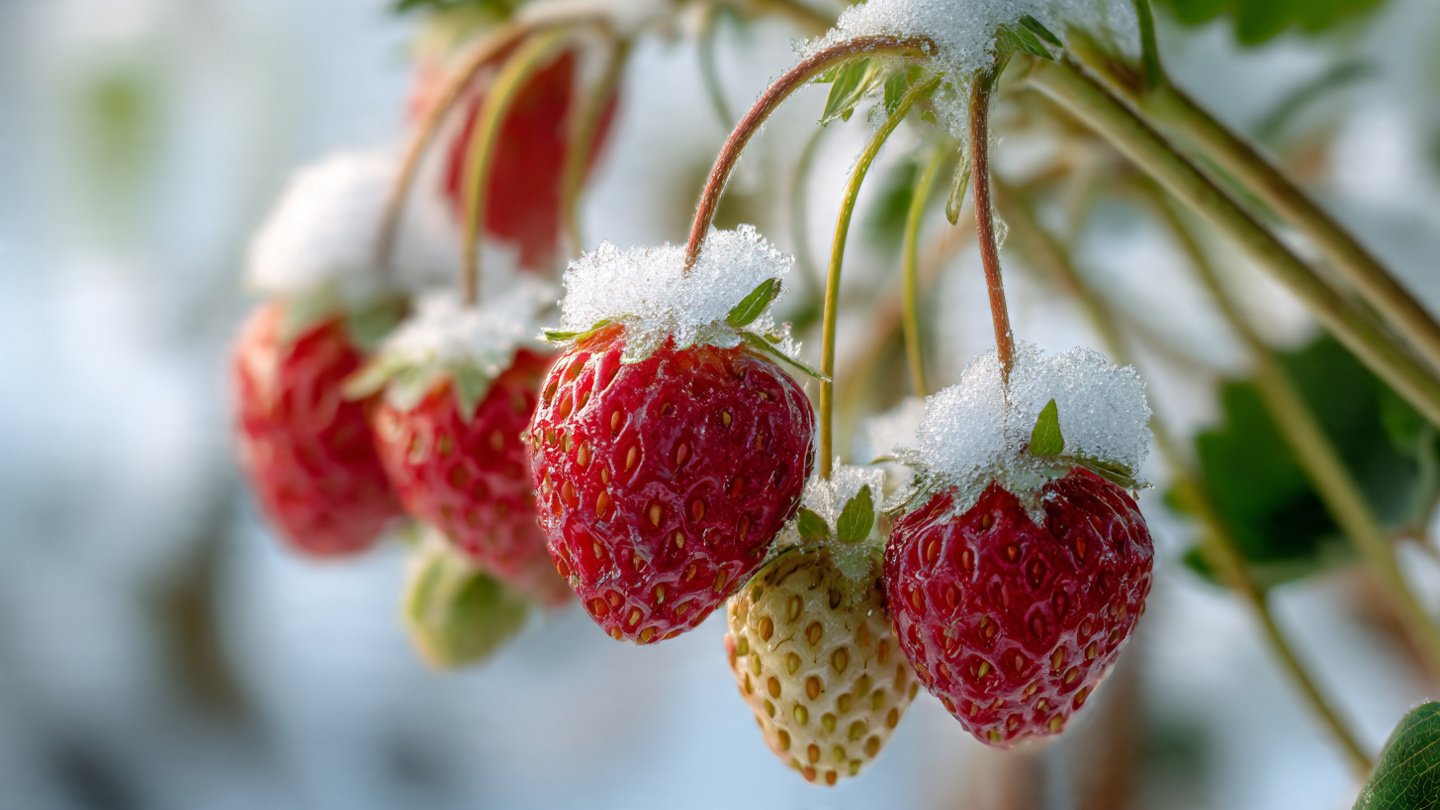
Strawberries are among the most rewarding fruits to grow at home, but many gardeners worry about how these delicate plants survive cold weather. While strawberry plants may look fragile, they are surprisingly hardy when given proper winter care. Protecting them during the colder months is essential for ensuring healthy growth, strong crowns, and abundant harvests in the following season.
This complete guide explains everything you need to know about caring for strawberry plants in winter, whether they are grown in garden beds, raised beds, containers, or hanging baskets. With the right preparation and protection, your strawberry plants can emerge from winter stronger than ever.
Understanding Strawberry Dormancy
Before discussing winter care, it’s important to understand what happens to strawberry plants in cold weather.
As temperatures drop, strawberry plants enter a dormant phase. Growth slows, leaves may turn brown, and the plant appears lifeless. This is completely natural and necessary. Dormancy allows strawberries to conserve energy and prepare for vigorous growth and fruiting in spring.
Key point: Dormant strawberry plants are alive, not dead. Proper winter care protects the crown and roots during this resting period.
Why Winter Care Is Crucial for Strawberries
Winter protection directly affects next season’s harvest. Without proper care, strawberry plants can suffer from:
- Crown damage due to freezing temperatures
- Root injury from frost heaving
- Dehydration during cold, dry spells
- Reduced flowering and fruit production
- Plant death in extreme conditions
Taking preventive steps in winter ensures healthier plants, earlier flowering, and higher yields.
When to Start Winterizing Strawberry Plants
Timing is critical. Winter care should begin after the plants have experienced a few light frosts but before deep freezing sets in.
Ideal Timing
- Begin winterizing when temperatures consistently fall below 4–5°C (40°F)
- Plants should be fully dormant
- Leaves may appear brown or wilted
Applying protection too early can trap moisture and cause rot, while applying too late risks frost damage.
Preparing Strawberry Plants for Winter
1. Stop Fertilizing
Discontinue fertilizing about 4–6 weeks before the first expected frost. Fertilizing late in the season encourages tender new growth that is vulnerable to cold damage.
2. Reduce Watering Gradually
While strawberries should not dry out completely, reduce watering as temperatures drop. Overwatering during cold weather can lead to root rot.
3. Clean Up the Plants
- Remove dead or diseased leaves
- Trim runners if they are not needed for propagation
- Clear weeds around the plants
This reduces pest and disease problems during winter.
Mulching: The Most Important Step
Mulching is the single most effective way to protect strawberry plants in winter.
Why Mulch Works
- Insulates crowns from freezing
- Prevents frost heaving
- Maintains consistent soil temperature
- Protects roots from drying winds
Best Mulch Materials
- Straw (most recommended)
- Pine needles
- Dry leaves (chopped)
- Hay (weed-free)
Avoid heavy, compacted materials that trap moisture.
How to Apply Mulch
- Wait until the soil surface freezes lightly
- Cover plants with 7–10 cm (3–4 inches) of mulch
- Ensure crowns are fully covered
- Avoid packing mulch tightly
Mulch should be loose and airy to provide insulation without suffocating the plant.
Winter Care for Strawberries in Garden Beds
Strawberries grown in the ground are more protected than those in containers, but they still need care.
Ground-Planted Strawberries
- Apply thick mulch as described
- Avoid walking on frozen beds
- Check mulch after storms and reapply if needed
In colder climates, snow acts as natural insulation. Leave snow undisturbed on strawberry beds.
Winter Care for Container-Grown Strawberries
Strawberries in pots are more vulnerable because roots are exposed to colder temperatures.
Protection Options for Containers
- Move pots to a sheltered area (garage, shed, balcony corner)
- Group containers together to reduce heat loss
- Wrap pots with burlap, bubble wrap, or straw
- Place containers against a wall for warmth
Ensure containers still have drainage to prevent waterlogging.
Winter Care for Strawberry Hanging Baskets
Hanging baskets require special attention.
Best Practices
- Bring baskets indoors to an unheated space
- Hang them in a garage or covered porch
- Insulate baskets with straw or cloth
- Avoid heated indoor spaces, which disrupt dormancy
Strawberries need cold exposure to produce flowers, so do not keep them too warm.
Watering Strawberries During Winter
Even in winter, strawberries need some moisture.
Watering Guidelines
- Water lightly during dry winter periods
- Water only when soil is not frozen
- Avoid waterlogged conditions
Winter dehydration can damage roots just as much as freezing temperatures.
Protecting Strawberries from Extreme Cold
In regions with severe winters, extra measures may be needed.
Additional Protection Methods
- Use frost blankets or row covers over mulch
- Build low tunnels with plastic or fabric
- Add extra mulch layers during extreme cold spells
Remove covers temporarily during warm spells to prevent overheating and mold.
Preventing Pests and Diseases in Winter
Winter care also helps reduce future pest problems.
Common Winter Threats
- Rodents nesting in mulch
- Fungal diseases due to excess moisture
Prevention Tips
- Avoid overly thick, compact mulch
- Keep mulch slightly away from crowns in wet climates
- Use wire mesh if rodents are a known issue
Good airflow and proper mulch placement reduce disease risk.
Spring Mulch Removal: Timing Matters
Knowing when and how to remove mulch in spring is just as important as applying it.
When to Remove Mulch
- When new growth begins
- After danger of hard frost has passed
- Gradually, not all at once
How to Remove Mulch
- Pull mulch away from crowns
- Leave mulch between rows to suppress weeds
- Reapply lightly if late frost threatens
Gradual removal prevents shock and protects tender new leaves.
Signs of Healthy Strawberries After Winter
Healthy plants will show:
- Green or reddish new leaves
- Firm crowns
- Strong root systems
Remove any plants that appear mushy, blackened, or completely dead.
Common Winter Care Mistakes to Avoid
- Mulching too early
- Using plastic directly on plants
- Overwatering during cold weather
- Leaving mulch on too long in spring
- Bringing plants into heated indoor spaces
Avoiding these mistakes greatly improves survival and productivity.
Do Different Strawberry Types Need Different Care?
June-Bearing Strawberries
- Require strong winter protection
- Produce one large crop
- Benefit greatly from mulching
Everbearing and Day-Neutral Strawberries
- Slightly less cold-hardy
- May need extra protection in containers
- Still require dormancy for best yields
All types benefit from proper winter care, regardless of variety.
Benefits of Proper Winter Care
When strawberries are cared for correctly in winter, gardeners enjoy:
- Higher flower production
- Larger, sweeter berries
- Healthier plants
- Longer plant lifespan
- Reduced disease pressure
Winter care directly impacts next season’s success.
Conclusion
Caring for strawberry plants in winter is not difficult, but it is essential. By understanding dormancy, timing your preparation correctly, applying proper mulch, and protecting plants from extreme cold, you can ensure your strawberries survive winter and thrive in spring.
Whether your strawberries grow in garden beds, containers, or hanging baskets, the principles remain the same: insulate, protect, and avoid excess moisture. With these steps, your strawberry plants will reward you with lush growth and generous harvests year after year.
A little effort in winter makes all the difference when strawberry season arrives.