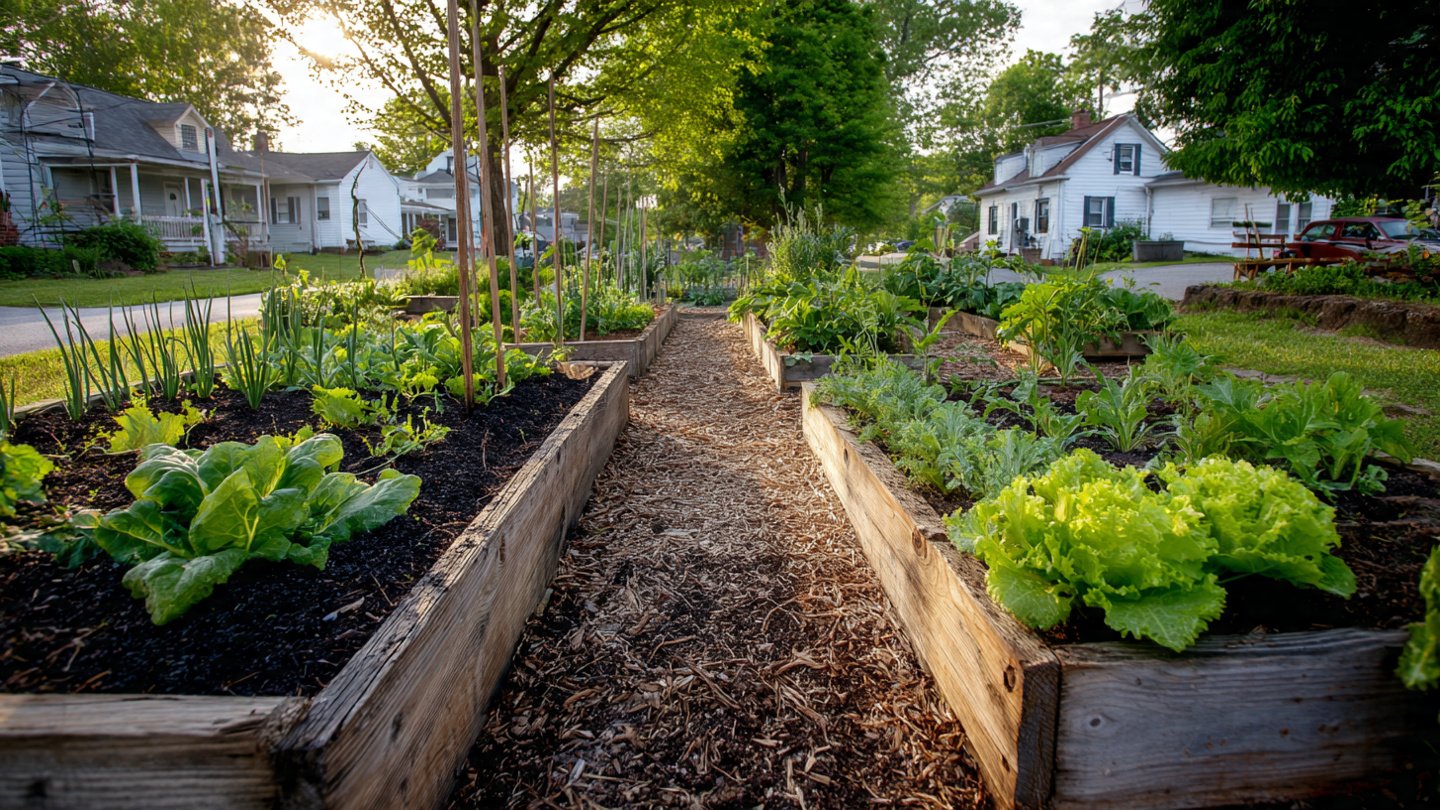
Gardening is one of the most rewarding ways to connect with nature, enjoy fresh produce, and beautify your outdoor space. However, traditional in-ground gardening can be challenging due to poor soil, limited space, and pest problems. That’s where raised bed gardens come in. Not only do they improve soil quality and drainage, but they also make planting, maintenance, and harvesting easier. This guide provides a step-by-step approach to building a raised bed garden that maximizes your harvest, making your gardening experience more productive and enjoyable.
1. Understanding the Benefits of Raised Bed Gardening
Before starting, it’s important to understand why raised beds are a game-changer for gardeners:
- Better Soil Quality: You control the soil composition, making it nutrient-rich and ideal for plant growth.
- Improved Drainage: Raised beds prevent waterlogging, which can harm roots.
- Weed and Pest Control: Beds are easier to manage, reducing weed growth and soil-borne pests.
- Increased Yield: Plants grow stronger and healthier due to optimized soil and spacing.
- Accessibility: Raised beds reduce bending and strain, making gardening easier for people of all ages.
With these benefits, raised beds are perfect for vegetable gardens, herb gardens, and flower gardens alike.
2. Choosing the Location
The first step in building a raised bed is selecting the right location:
- Sunlight: Most vegetables and herbs need at least 6–8 hours of direct sunlight.
- Accessibility: Ensure easy access for watering, planting, and harvesting.
- Drainage: Avoid areas prone to flooding or heavy water accumulation.
- Level Ground: A flat or slightly sloping area makes construction easier and ensures even soil distribution.
By carefully choosing the site, you set your raised bed garden up for success.
3. Determining the Size and Shape
Raised beds can be tailored to your space, but some general guidelines help maximize efficiency:
- Width: Keep beds 3–4 feet wide so you can reach the center without stepping on the soil.
- Length: Length can vary depending on space—common sizes are 6–12 feet.
- Height: 12–18 inches is ideal for most crops; taller beds (24 inches) are better for deep-rooted plants.
- Shape: Rectangular beds are standard, but square, L-shaped, or circular beds work well depending on your garden layout.
Proper sizing ensures easy access and maximizes planting area for bigger harvests.
4. Selecting Materials
You can build raised beds from a variety of materials:
- Wood: Cedar and redwood are naturally rot-resistant and attractive. Avoid treated wood that may leach chemicals into the soil.
- Stone or Brick: Durable and visually appealing for a rustic look.
- Recycled Materials: Old pallets, concrete blocks, or logs can be eco-friendly options.
- Metal: Galvanized steel beds are long-lasting and require minimal maintenance.
Choose a material that fits your budget, style, and intended longevity of the bed.
5. Preparing the Ground
Proper ground preparation ensures healthy plants:
- Clear the Area: Remove grass, weeds, rocks, and debris.
- Level the Surface: Use a rake or shovel to make the ground flat.
- Optional Lining: Lay down landscape fabric to prevent weeds while allowing water drainage.
A well-prepared base allows your raised bed to last longer and ensures even growth for your plants.
6. Building the Raised Bed Frame
Now, it’s time to construct the frame:
- Cut Materials: Measure and cut wood, stone, or other materials to the desired size.
- Assemble the Frame: Use screws or brackets for wood, or stack stones/blocks for stone beds.
- Check Level: Ensure all corners are square and the frame is level to prevent soil erosion.
- Reinforce: For taller beds, add corner supports or braces to withstand soil pressure.
A sturdy frame ensures your raised bed can handle the weight of soil and plants over multiple growing seasons.
7. Filling the Bed with Soil
The secret to a bigger harvest is nutrient-rich soil:
- Base Layer: Start with coarse materials like gravel, small rocks, or straw to aid drainage.
- Soil Mix: Fill the bed with a mix of garden soil, compost, and organic matter. A common ratio is 60% topsoil, 30% compost, and 10% potting soil.
- Level and Water: Lightly water the soil and level it with a rake. This settles the soil and removes air pockets.
Healthy soil ensures strong root development, leading to higher yields and healthier plants.
8. Planting Your Crops
Once the soil is ready, you can start planting:
- Choose Crops: Select vegetables, herbs, or flowers suitable for your climate and season.
- Spacing: Follow recommended spacing guidelines for each plant to ensure enough room for growth.
- Companion Planting: Mix crops that benefit each other, such as tomatoes with basil or carrots with onions.
- Layering: Consider vertical gardening techniques for vines like beans or cucumbers using trellises.
Proper planting techniques optimize space and increase your overall harvest.
9. Watering and Irrigation
Consistent watering is crucial for raised bed success:
- Frequency: Water deeply 2–3 times per week, adjusting for rainfall and soil moisture.
- Drip Irrigation: Installing a drip system ensures even watering and reduces water waste.
- Mulching: Apply 2–3 inches of organic mulch to retain soil moisture, suppress weeds, and regulate temperature.
Well-watered soil keeps plants healthy and productive, contributing to larger harvests.
10. Fertilization and Soil Management
Regular soil enrichment ensures continued growth:
- Compost Top-Ups: Add fresh compost every 4–6 weeks to replenish nutrients.
- Organic Fertilizers: Use balanced fertilizers or natural options like bone meal, fish emulsion, or seaweed extract.
- Crop Rotation: Rotate crops each season to prevent soil depletion and reduce pest issues.
Maintaining soil fertility is key to achieving bigger, healthier harvests over time.
11. Pest and Disease Control
Raised beds reduce many pest problems, but vigilance is still important:
- Physical Barriers: Use row covers or netting to protect young plants.
- Beneficial Insects: Attract pollinators and predators like ladybugs to naturally control pests.
- Organic Sprays: Neem oil or soapy water can help manage common pests without chemicals.
- Regular Inspection: Check leaves, stems, and soil for early signs of disease or infestation.
Healthy plants free from pests and diseases produce bigger yields and require less maintenance.
12. Harvesting Techniques
Timely harvesting maximizes both quality and quantity:
- Vegetables: Pick leafy greens and herbs early for tender, flavorful growth.
- Fruits: Harvest tomatoes, peppers, and cucumbers when fully ripened.
- Continuous Harvesting: Regularly picking mature crops encourages new growth and prolongs the production season.
A well-maintained raised bed allows for efficient harvesting and continuous high yields.
13. Seasonal Maintenance
To keep your raised beds productive year after year:
- Soil Refreshing: Replenish nutrients before each planting season with compost or organic fertilizer.
- Weeding: Remove weeds promptly to reduce competition for nutrients.
- Bed Repair: Inspect wooden or stone frames for damage and make necessary repairs.
- Winter Care: Add mulch or cover crops to protect soil during colder months.
Routine maintenance ensures longevity, soil health, and consistent high yields.
14. Advantages of Raised Bed Gardening
Raised bed gardening offers multiple benefits over traditional in-ground gardening:
- Bigger Harvests: Optimized soil, drainage, and plant spacing increase yield.
- Better Plant Health: Reduced pests, disease prevention, and ideal growing conditions result in stronger plants.
- Accessibility: Easier planting, weeding, and harvesting without bending or straining.
- Flexibility: Customizable shapes and sizes fit any garden space.
- Aesthetic Appeal: Raised beds create a tidy, organized, and visually appealing garden layout.
These advantages make raised bed gardening ideal for beginners and experienced gardeners alike.
Conclusion
Building a raised bed garden is a practical and rewarding way to maximize harvests while enhancing your garden’s beauty. By carefully selecting the location, materials, and soil, and following step-by-step construction, gardeners can create a productive and visually appealing raised bed.
From preparing the ground and building a sturdy frame to planting, watering, fertilizing, and harvesting, each step plays a crucial role in achieving bigger, healthier crops. Raised bed gardens not only improve productivity but also make gardening accessible, enjoyable, and sustainable.
With the right planning, care, and dedication, your raised bed garden can provide fresh, flavorful produce all season long, making every harvest a success.