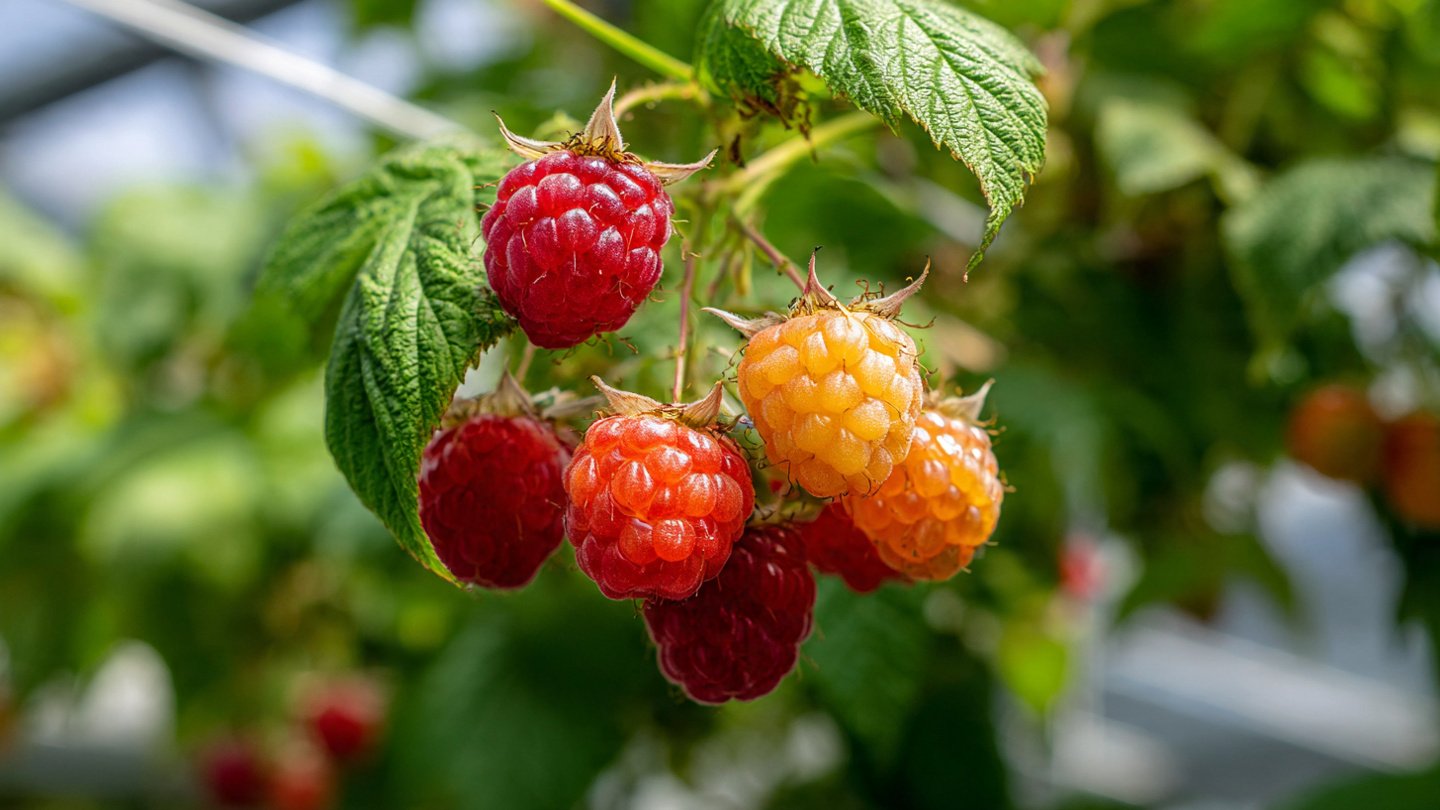
Raspberries are one of the most rewarding fruits you can grow at home. With their sweet-tart flavor, high nutritional value, and beautiful appearance, they’re a favorite among home gardeners. The best part? You don’t need expensive fertilizers or advanced gardening skills to achieve fast, healthy raspberry growth. By using a few simple, proven techniques, you can significantly boost plant vigor, cane development, and fruit production.
This guide walks you step by step through everything you need to know to help your raspberry plants grow faster, stronger, and more productively.
Understanding Raspberry Growth Basics
Before focusing on speed, it’s important to understand how raspberry plants grow.
Raspberries grow from perennial roots but produce biennial canes:
- Primocanes grow in the first year (leafy but usually fruitless).
- Floricanes produce fruit in their second year, then die back.
Some varieties, called everbearing or primocane-fruiting raspberries, can fruit on first-year canes as well. Rapid growth depends on encouraging strong primocanes, which leads to better harvests.
Choose the Right Variety for Faster Results
Not all raspberry varieties grow at the same speed. Selecting the right type can significantly impact growth rate.
- Everbearing varieties (like Heritage or Autumn Bliss) are ideal for quick results.
- Red raspberries generally establish faster than black or purple types.
- Choose disease-resistant cultivars to avoid slowdowns caused by pests and fungi.
Local nursery varieties are often best adapted to your climate and soil.
Plant in the Perfect Location
Sunlight Is Non-Negotiable
Raspberries need at least 6–8 hours of full sun daily. More sunlight means:
- Faster cane growth
- Stronger root systems
- Higher fruit yield
Shaded plants grow slowly and produce weak, spindly canes.
Soil Drainage Matters
Raspberries hate wet feet. Poor drainage leads to root rot and stunted growth.
- Use loamy, well-draining soil
- Avoid low-lying areas where water collects
- Raised beds work exceptionally well for rapid growth
Prepare the Soil for Speedy Growth
Healthy soil is the foundation of fast-growing raspberry plants.
Improve Soil Structure
Before planting:
- Mix in well-rotted compost or aged manure
- Add organic matter to improve drainage and nutrient retention
Ideal Soil pH
Raspberries thrive in slightly acidic soil:
- Target pH: 5.5–6.5
- Add sulfur to lower pH or lime to raise it if needed
Rich, balanced soil allows roots to expand quickly, leading to faster top growth.
Master the Art of Watering
Watering correctly is one of the simplest yet most powerful growth boosters.
Consistent Moisture Is Key
Raspberry plants need:
- 1–2 inches of water per week
- Deep watering to encourage strong roots
Avoid shallow, frequent watering, which creates weak root systems.
Mulch to Lock in Moisture
Apply 2–3 inches of organic mulch such as:
- Straw
- Dry leaves
- Wood chips
Mulch:
- Retains moisture
- Regulates soil temperature
- Suppresses weeds that compete for nutrients
Feed Your Plants the Right Way
Start with Organic Nutrition
For rapid growth, feed raspberries with slow-release nutrients:
- Compost
- Vermicompost (worm castings)
- Well-aged manure
These improve soil health while delivering steady nutrition.
Use Balanced Fertilizers
Apply a balanced fertilizer (such as 10-10-10) in early spring when new growth begins.
Avoid over-fertilizing with nitrogen, which can cause:
- Excessive leafy growth
- Weak canes
- Fewer fruits
Moderation is the secret to speed and strength.
Pruning: The Secret Weapon for Faster Growth
Pruning may seem counterintuitive, but it’s essential for rapid growth.
Remove Weak Canes
- Cut out thin, damaged, or diseased canes
- This redirects energy to healthy shoots
Proper Timing
- Summer-bearing varieties: Remove old fruiting canes after harvest
- Everbearing varieties: Either prune lightly for two harvests or cut all canes to ground level in winter for one strong crop
Regular pruning improves air circulation and stimulates vigorous new growth.
Support Plants for Stronger, Faster Growth
Raspberry canes grow tall and need support.
Use a Simple Trellis System
A basic trellis:
- Keeps canes upright
- Improves sun exposure
- Prevents breakage
Healthier, upright canes grow faster and produce more fruit.
Control Weeds and Competition
Weeds steal water, nutrients, and sunlight.
- Hand-weed regularly
- Maintain mulch layers
- Avoid deep hoeing that can damage shallow raspberry roots
Reducing competition allows your plants to focus energy on growth instead of survival.
Protect Plants from Pests and Diseases
Stress slows growth dramatically.
Common Issues
- Aphids
- Spider mites
- Fungal diseases like cane blight
Simple Prevention Techniques
- Spray neem oil or soap solution early
- Remove infected canes immediately
- Ensure good airflow through pruning
Healthy plants grow faster—prevention is far easier than treatment.
Encourage Root Expansion
Strong roots equal rapid growth above ground.
- Avoid compacted soil
- Don’t overwater
- Add compost annually to feed soil microbes
Healthy soil life helps roots absorb nutrients efficiently, accelerating overall growth.
Seasonal Growth Boosting Tips
Spring
- Apply compost
- Fertilize lightly
- Install trellises early
Summer
- Water deeply
- Mulch generously
- Prune excess shoots
Fall
- Remove dead canes
- Add organic matter
- Prepare plants for dormancy
Each season plays a role in ensuring vigorous growth the following year.
Common Mistakes That Slow Raspberry Growth
Avoid these growth killers:
- Overcrowding plants
- Poor drainage
- Over-fertilizing
- Ignoring pruning
- Allowing weeds to take over
Correcting these issues can dramatically improve growth speed.
Final Thoughts
Achieving rapid growth in raspberry plants doesn’t require complicated methods or costly products. With proper sunlight, healthy soil, consistent watering, smart pruning, and simple organic feeding, your raspberry plants can thrive and grow faster than you ever expected.
By focusing on plant health rather than shortcuts, you’ll enjoy stronger canes, bigger harvests, and a productive raspberry patch year after year. A little care goes a long way—and your raspberry plants will reward you generously for it.