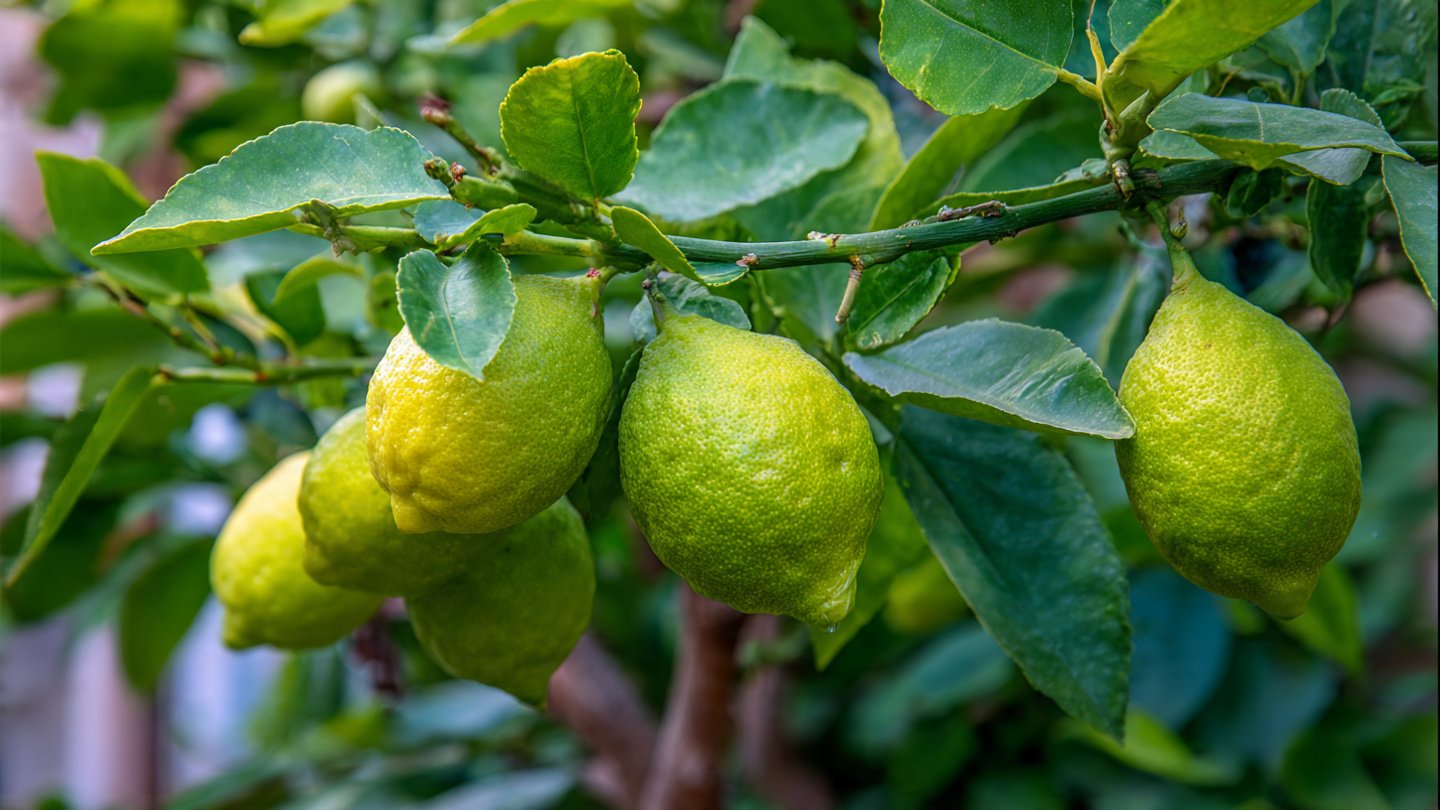
Lemon trees are a favorite in home gardens and orchards alike. Their fragrant blossoms, vibrant green foliage, and tangy fruit make them a joy to grow. However, many gardeners struggle with slow growth, sparse fruiting, or weak branches. While sunlight, soil, and watering are essential, one of the most powerful yet often overlooked ways to accelerate lemon tree growth is regular pruning.
Pruning is more than just a cosmetic task. When done correctly, it improves airflow, stimulates new growth, strengthens branches, and encourages higher fruit production. In this guide, we’ll explore the secrets of pruning for faster, healthier lemon tree growth, step by step.
Why Pruning Is Key to Lemon Tree Growth
Lemon trees, like other citrus plants, can become dense and overgrown if left unchecked. Overcrowded branches lead to:
- Reduced sunlight reaching inner foliage
- Poor air circulation, increasing disease risk
- Weaker branches and reduced fruiting
Regular pruning addresses these issues while stimulating new growth by redirecting the plant’s energy toward healthy branches and fruit-bearing shoots. Think of it as a natural way to “train” your lemon tree to grow faster and stronger.
The Benefits of Regular Lemon Tree Pruning
- Encourages Stronger Growth
Removing old or weak branches allows the tree to focus energy on vigorous new shoots, accelerating overall growth. - Improves Sunlight Penetration
A well-pruned lemon tree allows sunlight to reach all parts, enhancing photosynthesis and fruit development. - Reduces Disease and Pest Risk
Pruning increases airflow, reducing humidity inside dense foliage that can harbor pests or fungal infections. - Shapes the Tree
Pruning controls the size and shape, making harvesting easier and preventing branches from breaking under fruit weight. - Boosts Fruit Production
By cutting back unproductive or crowded branches, the tree allocates more energy to flowering and fruiting, resulting in more lemons.
When to Prune Your Lemon Tree
Timing is crucial for effective pruning:
- Late Winter or Early Spring (before new growth begins):
The best time for structural pruning and removing dead or diseased wood. - After Harvesting:
Remove spent fruiting branches to stimulate new growth. - Light Summer Pruning:
Can be done to remove crossing branches or overly dense growth.
Avoid heavy pruning during late fall or winter frost, as it can stress the tree and reduce cold tolerance.
Tools You’ll Need for Pruning
Proper tools make pruning safe and effective:
- Pruning Shears: For small branches and shoots
- Loppers: For medium-sized branches
- Pruning Saw: For thick, older branches
- Gloves: Protect your hands from thorns
- Disinfectant: Clean tools between cuts to prevent disease spread
Sharp, clean tools ensure smooth cuts that heal quickly and reduce the risk of infection.
Step-by-Step Guide to Pruning Lemon Trees
Step 1: Remove Dead, Diseased, or Damaged Wood
Start by inspecting the tree thoroughly:
- Cut out branches that are brown, dry, or visibly damaged.
- Remove any disease-infected areas, cutting back to healthy tissue.
- Dispose of pruned material to prevent pest or fungal spread.
This clears the way for healthy growth and prevents energy wastage on unhealthy parts.
Step 2: Thin Out Crowded Branches
Dense, crowded branches block sunlight and airflow:
- Identify branches that cross or rub against each other.
- Cut the weaker or less productive branch at the base.
- Maintain 4–6 main scaffold branches for structural balance.
Thinning encourages light penetration, reducing fungal issues and promoting fruiting.
Step 3: Cut Back Long or Leggy Growth
Lemon trees tend to develop long, straggly branches:
- Trim excessive growth by 1/3 or less to stimulate lateral shoots.
- Focus on branches growing inward toward the tree center.
- Encourage outward growth for an open, vase-like canopy.
Shortening long shoots redirects energy into strong, productive branches.
Step 4: Remove Suckers and Water Sprouts
Suckers grow from the base or roots, and water sprouts grow vertically from branches:
- Remove suckers immediately; they divert energy from the main tree.
- Trim water sprouts unless needed for shaping the canopy.
Eliminating these unproductive shoots accelerates overall growth and fruit development.
Step 5: Shape the Canopy
A well-shaped canopy is essential for healthy growth:
- Aim for a slightly open, rounded shape.
- Ensure sunlight reaches inner branches.
- Maintain a 2–3 foot height for smaller trees or adjust as needed for larger trees.
Proper shaping prevents branch breakage under fruit load and promotes even growth.
Step 6: Fertilize After Pruning
Pruning stimulates growth but also creates stress:
- Apply a balanced, slow-release fertilizer high in nitrogen to support new shoots.
- Mulch around the base with compost to retain moisture and feed the soil.
- Water regularly but avoid waterlogging.
Fertilization after pruning helps the tree recover quickly and accelerates growth.
Common Mistakes to Avoid
- Over-pruning – Cutting too much at once can stress the tree. Remove only 20–30% of foliage annually.
- Pruning at the Wrong Time – Avoid heavy pruning during fruiting or frost periods.
- Ignoring Dead Wood – Dead branches harbor pests and reduce energy for growth.
- Neglecting Tool Hygiene – Dirty tools can spread diseases quickly.
- Leaving Suckers – They drain nutrients from the main tree.
Avoiding these errors ensures the pruning benefits are fully realized.
Tips for Faster Lemon Tree Growth
- Sunlight: Even with pruning, lemon trees need at least 6–8 hours of direct sunlight.
- Watering: Consistent watering supports growth but ensure proper drainage.
- Soil: Rich, well-draining soil encourages strong root development.
- Regular Maintenance: Light pruning every season keeps the tree healthy and productive.
- Pest Management: Check for aphids, mites, and fungal infections to prevent growth setbacks.
Signs Your Lemon Tree Is Responding Well to Pruning
- New shoots appear within 2–4 weeks
- Leaves are vibrant green and lush
- Flower buds form earlier than usual
- Overall canopy looks balanced and healthy
- Reduced pest and disease incidence
Observing these signs indicates your pruning strategy is accelerating growth effectively.
Conclusion
Regular pruning is the secret weapon for faster, healthier lemon tree growth. By removing dead or crowded branches, shaping the canopy, and stimulating lateral shoots, you can enhance sunlight penetration, improve airflow, reduce disease risk, and redirect energy toward fruiting and new growth.
Remember, pruning is not just about cutting—it’s about strategic energy management for your tree. Combine pruning with proper sunlight, soil, and watering practices, and your lemon tree will thrive, producing lush foliage and abundant fruit year after year.
Investing time in seasonal pruning today ensures a stronger, faster-growing, and more productive lemon tree tomorrow.