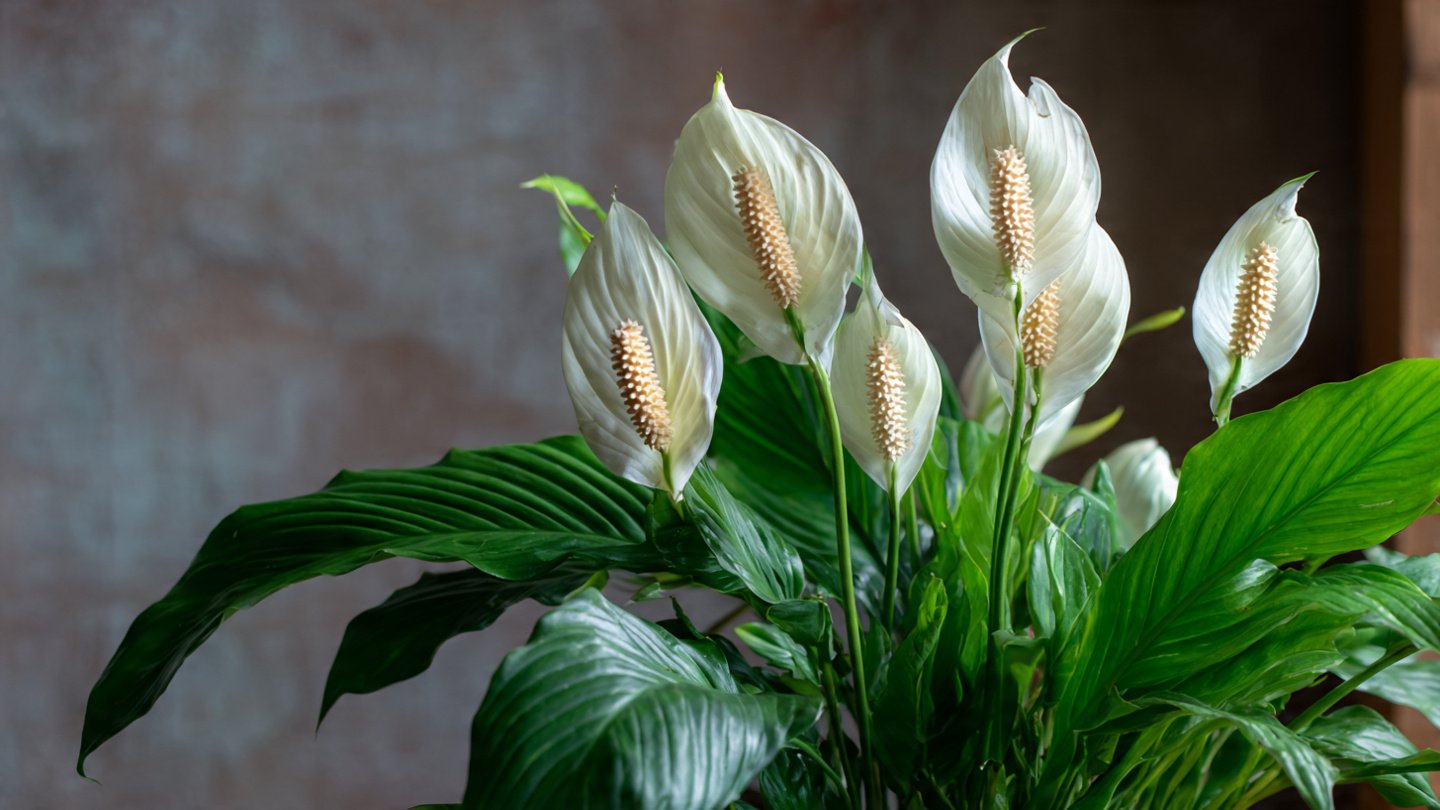
Peace lilies (Spathiphyllum spp.) are beloved indoor plants, known for their lush green leaves and elegant white blooms. They are often praised as beginner-friendly houseplants, yet many owners struggle with one key aspect of care: watering. Watering too little can cause drooping leaves and stunted growth, while overwatering can lead to root rot—a common mistake even experienced gardeners make. Understanding how often to water peace lilies and what signs to watch for is crucial for keeping these plants healthy and thriving.
In this guide, we’ll cover four must-know tips for watering peace lilies, along with practical advice on soil, containers, humidity, and seasonal care. By following these strategies, your peace lily can maintain its signature bright leaves and elegant blooms year-round.
Understanding Peace Lily Water Needs
Peace lilies are native to tropical rainforests, where they grow in shady, humid environments with consistent moisture. This natural history explains their indoor watering preferences:
- They prefer soil that is consistently moist but not soggy.
- They are relatively forgiving, able to recover from occasional drought stress.
- Overwatering is more dangerous than under-watering because it can suffocate roots and encourage fungal problems.
Their leaves often provide the first signs of water stress. Drooping or curling leaves generally indicate the plant needs water, while yellowing leaves can signal overwatering or poor drainage.
Tip 1: Check Soil Moisture Before Watering
Rather than relying on a strict schedule, the best approach is to monitor the soil:
- Finger Test: Stick your finger about an inch into the soil. If it feels dry at this depth, it’s time to water.
- Moisture Meter: For more precision, a soil moisture meter can provide accurate readings, ensuring your peace lily isn’t sitting in water or drying out.
- Signs in the Plant: Slight drooping leaves indicate the plant is thirsty. However, do not wait until leaves are severely wilted.
Peace lilies generally need water about once a week, but this varies depending on pot size, soil type, indoor temperature, and humidity. Checking the soil is more reliable than sticking to a calendar.
Tip 2: Use the Right Watering Method
The method of watering is just as important as frequency:
- Even Watering: Pour water evenly around the base of the plant until it starts draining from the bottom of the pot. This ensures all roots receive moisture.
- Drainage Matters: Use pots with drainage holes to prevent waterlogging. Standing water at the bottom can lead to root rot.
- Room Temperature Water: Cold water can shock roots; room-temperature water is best.
- Avoid Wetting the Leaves: While occasional splashes are fine, consistently wet leaves can encourage fungal diseases.
Proper watering technique ensures the roots absorb moisture without drowning, keeping leaves healthy and flowers vibrant.
Tip 3: Adjust for Seasonal Changes
Watering frequency isn’t static; it changes with seasonal conditions:
- Spring and Summer: During the growing season, peace lilies actively take up more water. You may need to water more frequently, sometimes every 4–6 days.
- Fall and Winter: Growth slows, and the plant requires less water. Reduce watering to once every 10–14 days or as needed based on soil moisture.
- Indoor Climate: Homes with central heating or air conditioning can dry out soil faster. Consider humidity levels when adjusting water.
Being aware of seasonal shifts prevents overwatering during dormancy and under-watering during active growth.
Tip 4: Maintain Proper Soil and Potting Conditions
Even with perfect watering, peace lilies will struggle if soil and pots are not ideal:
- Well-Draining Soil: A high-quality potting mix with peat, perlite, or bark ensures proper drainage while retaining enough moisture. Avoid heavy garden soil.
- Container Choice: Use pots with drainage holes. Terracotta pots are breathable and help prevent overwatering, while plastic retains moisture longer.
- Repotting: Every 1–2 years, repot your peace lily into fresh soil to maintain good root health. Crowded roots absorb less water, which can affect growth and bloom quality.
Proper soil and containers complement watering, creating the ideal environment for lush leaves and elegant flowers.
Recognizing Signs of Overwatering
Many peace lily owners mistakenly overwater, leading to root problems. Watch for these signs:
- Yellowing leaves, especially older leaves near the base.
- Soft, mushy stems or roots.
- Moldy soil surface or a foul odor from the pot.
- Slow growth despite consistent care.
If overwatering occurs, reduce watering frequency, check drainage, and remove any affected roots during repotting. Correcting overwatering early prevents long-term damage.
Recognizing Signs of Underwatering
Underwatering is easier to fix but still impacts the plant’s appearance:
- Drooping leaves that perk up after watering.
- Brown leaf tips or edges due to dehydration.
- Slower growth or fewer flowers.
Peace lilies are resilient and often bounce back quickly once watered, but chronic drought can stress the plant and reduce flowering.
Bonus Tips for Healthy Peace Lilies
- Humidity Matters: Peace lilies thrive in 50–60% humidity. Use a pebble tray, mist leaves occasionally, or place near a humidifier.
- Fertilization: Feed every 6–8 weeks during the growing season with a balanced houseplant fertilizer to support growth and blooms.
- Cleaning Leaves: Dust blocks light and reduces photosynthesis. Wipe leaves gently with a damp cloth.
- Consistent Routine: Peace lilies respond well to regular care, so keep a watering and feeding routine that matches seasonal needs.
These tips enhance the watering strategy and ensure your peace lily thrives indoors.
How Often to Water Peace Lilies: Summary
- Check soil moisture before every watering; don’t rely solely on a schedule.
- Water evenly and thoroughly, allowing excess to drain from the pot.
- Adjust frequency seasonally: more often in spring/summer, less in fall/winter.
- Ensure proper soil and pot conditions to avoid overwatering problems.
On average, most peace lilies need water once a week, but always let the soil guide you.
Troubleshooting Common Watering Issues
- Leaves Drooping Frequently: May indicate inconsistent watering. Check soil moisture and adjust routine.
- Yellow Leaves: Often a sign of overwatering or poor drainage. Repot and reduce watering.
- Brown Leaf Tips: Usually underwatering or low humidity; increase water gradually and boost humidity.
- Root Rot: Remove affected roots, repot in fresh soil, and cut back watering frequency.
By identifying issues early, you can adjust care and restore your peace lily to full health.
Conclusion
Watering is one of the most critical factors in keeping peace lilies healthy and beautiful. Understanding how often to water, using the right technique, adjusting for seasonal changes, and providing proper soil and containers are the four essential tips every peace lily owner must know.
By monitoring soil moisture, observing your plant, and adjusting care as needed, you can prevent both under- and overwatering problems. The result? Vibrant, glossy leaves, graceful white blooms, and a thriving houseplant that enhances any indoor space.
With consistent attention and a few simple strategies, your peace lily will reward you with years of beauty, elegance, and air-purifying benefits. Remember, it’s better to let the soil guide you than to follow a strict schedule—this approach ensures your peace lily receives water exactly when it needs it, leading to a healthier, happier plant.