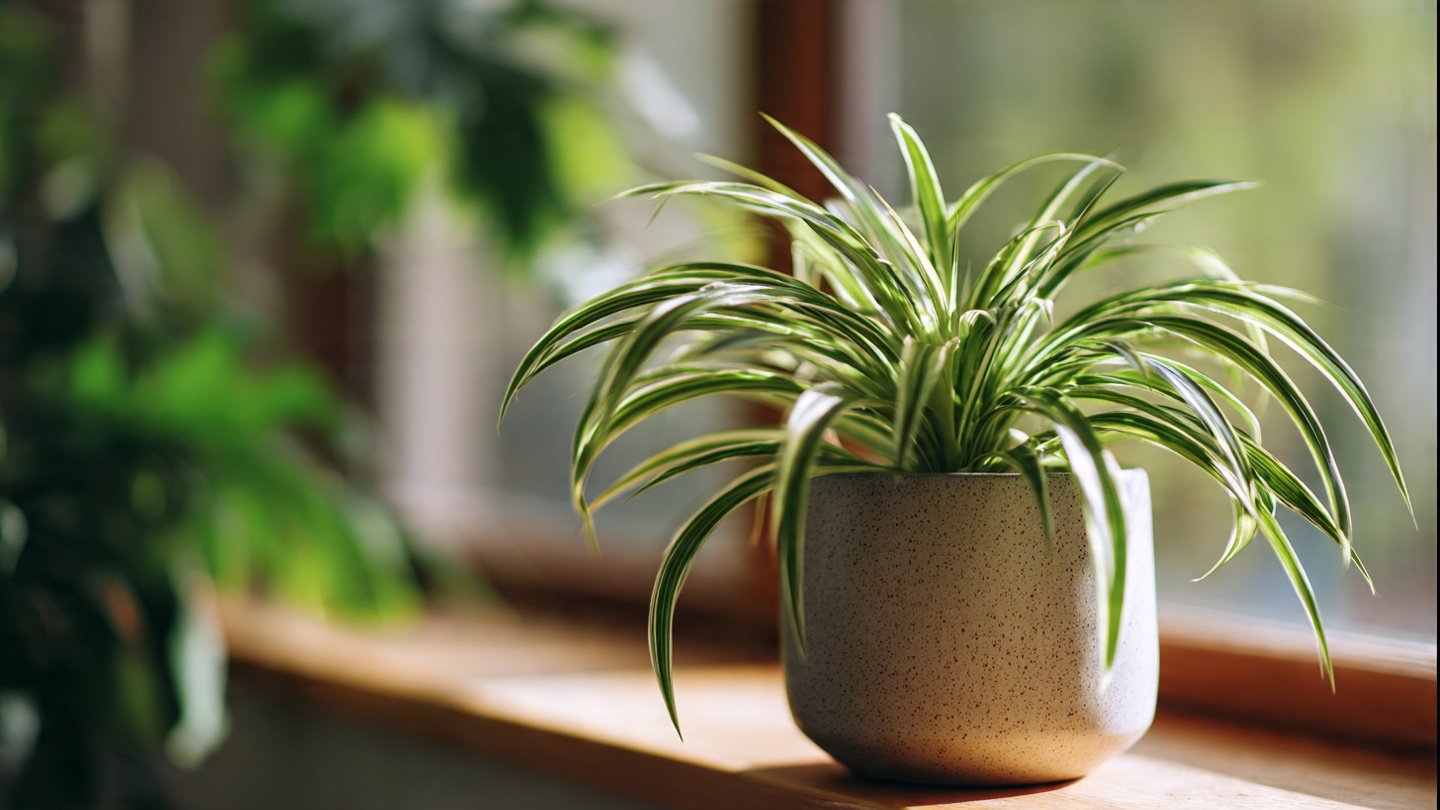
Spider plants (Chlorophytum comosum) are among the most popular and resilient houseplants worldwide. With their graceful, arching leaves and charming baby plantlets—or “spiderettes”—they add a touch of greenery to any room. They are also known for their air-purifying qualities, making them a favorite for bedrooms, offices, and living spaces.
Despite being hardy, spider plants do have specific watering needs. Too much water can lead to root rot, while too little can cause leaf browning and stunted growth. Knowing how often to water a spider plant is crucial for maintaining its health and vibrant appearance. In this article, we will explore everything you need to know about watering spider plants and provide five easy tips for keeping your plant healthy and thriving.
Understanding Spider Plant Water Needs
Spider plants are adaptable and tolerant but thrive best under consistent, moderate care. In the wild, they grow in tropical and subtropical environments with well-draining soil. As houseplants, they require a balance: soil should remain slightly moist but never soggy.
Watering frequency is influenced by several factors:
- Pot size: Smaller pots dry out faster than larger ones.
- Soil type: Well-draining soil retains less water than dense potting mixes.
- Light exposure: Plants in bright light or near windows may need more frequent watering.
- Temperature and humidity: Warmer and drier conditions increase water needs.
- Season: Spider plants grow actively in spring and summer and require more water, while in fall and winter, growth slows and watering should be reduced.
Understanding these factors helps you create a watering schedule tailored to your plant.
How Often Should You Water a Spider Plant?
On average, a healthy spider plant should be watered once a week during the growing season (spring and summer). However, this can vary depending on the environment and potting conditions.
Signs Your Spider Plant Needs Water
- Soil is dry to the touch: Stick your finger 1–2 inches into the soil. If it feels dry, it’s time to water.
- Drooping or curling leaves: Spider plants wilt slightly when thirsty.
- Brown leaf tips: A common indicator of inconsistent watering or underwatering.
Signs of Overwatering
- Yellowing leaves
- Mushy roots or root rot
- Mold or fungus on the soil surface
Spider plants are forgiving but monitoring soil moisture is key. The goal is consistent moisture without waterlogging.
5 Easy Tips for Healthy Spider Plant Watering
Tip 1: Check Soil Moisture Regularly
Rather than watering on a strict schedule, it’s better to check soil moisture regularly. Insert your finger about an inch or two into the soil. If it feels dry, water thoroughly until water drains out of the pot’s bottom. If it still feels moist, wait a few days before checking again.
Using this method prevents overwatering and ensures your plant gets the water it actually needs.
Tip 2: Water Thoroughly, Not Frequently
Spider plants prefer deep watering rather than shallow, frequent watering. When watering:
- Pour water slowly until it begins to drain from the bottom of the pot.
- Empty the saucer after 10–15 minutes to prevent roots from sitting in stagnant water.
- Allow the top inch of soil to dry before watering again.
This approach encourages deep root growth and a more resilient plant.
Tip 3: Adjust Watering Based on Season
Spider plants grow most actively in spring and summer and naturally slow down in fall and winter. During the active growth period, watering once a week or when the soil feels dry is ideal.
In the dormant season, reduce watering to every two to three weeks, depending on your indoor environment. Less frequent watering prevents root rot and keeps the plant healthy during low-growth periods.
Tip 4: Use the Right Water and Container
- Water type: Spider plants are sensitive to fluoride and chlorine, which can cause leaf tip browning. Use filtered, rainwater, or distilled water if possible.
- Container: Ensure your pot has adequate drainage holes. Standing water in a saucer or a non-draining pot can quickly lead to root rot.
- Soil: Use a well-draining potting mix—a standard houseplant mix with added perlite or sand works well.
Proper drainage and water quality are just as important as frequency.
Tip 5: Monitor Leaf Tips and Plant Appearance
Spider plants often give subtle visual cues about their watering needs:
- Brown tips: Usually caused by inconsistent watering, fluoride in water, or over-fertilization.
- Drooping or curling leaves: Often underwatering, especially if soil is dry.
- Yellowing leaves: May indicate overwatering.
By observing the plant’s overall appearance, you can adjust watering schedules in real time, rather than relying solely on a fixed routine.
Common Watering Mistakes to Avoid
- Overwatering: The most common mistake. Spider plants do not like sitting in water, and constant soggy soil can kill roots.
- Underwatering: Infrequent watering leads to dry, brown leaf tips and stunted growth.
- Ignoring environmental changes: Water needs vary with season, temperature, and humidity. Adjust accordingly.
- Using tap water with chemicals: Fluoride and chlorine can cause tip browning. Let tap water sit for 24 hours or use filtered water.
- Neglecting drainage: Ensure pots have proper drainage to prevent root rot.
Avoiding these mistakes ensures a healthy, thriving spider plant for years to come.
Additional Tips for Healthy Spider Plants
Beyond watering, other care practices can support overall health:
- Humidity: Spider plants enjoy moderate humidity. Misting occasionally or placing the plant near a humidity tray can improve leaf health.
- Fertilizing: Use an organic, balanced fertilizer every 4–6 weeks during the growing season to encourage lush growth and vibrant spiderettes.
- Pruning: Trim any brown tips with clean scissors. Remove old, damaged leaves to promote new growth.
- Repotting: Repot every 1–2 years in fresh soil to prevent overcrowding and maintain nutrient levels.
Watering is the foundation, but combining it with good overall care creates a happy, long-lived spider plant.
Summary
Spider plants are hardy, forgiving houseplants, but their health relies heavily on proper watering. The key principles are:
- Water once the top inch or two of soil is dry
- Water deeply, not frequently
- Adjust watering for season and indoor conditions
- Ensure proper drainage and use fluoride-free water
- Observe leaves and soil to fine-tune care
Following these simple strategies keeps your spider plant vibrant, encourages baby plantlets, and prevents common problems like root rot or brown leaf tips.
Conclusion
Spider plants are low-maintenance yet rewarding houseplants. With the right watering practices, they can thrive for years, filling your home with greenery and purifying the air. The goal isn’t a rigid schedule but a responsive approach—observe your plant, check the soil, and adjust watering as needed.
By following these five easy tips and avoiding common mistakes, your spider plant will remain healthy, lush, and productive, giving you a beautiful, low-maintenance addition to your indoor garden. With consistent care and observation, watering your spider plant becomes second nature, allowing you to enjoy all the benefits of this charming and resilient houseplant.