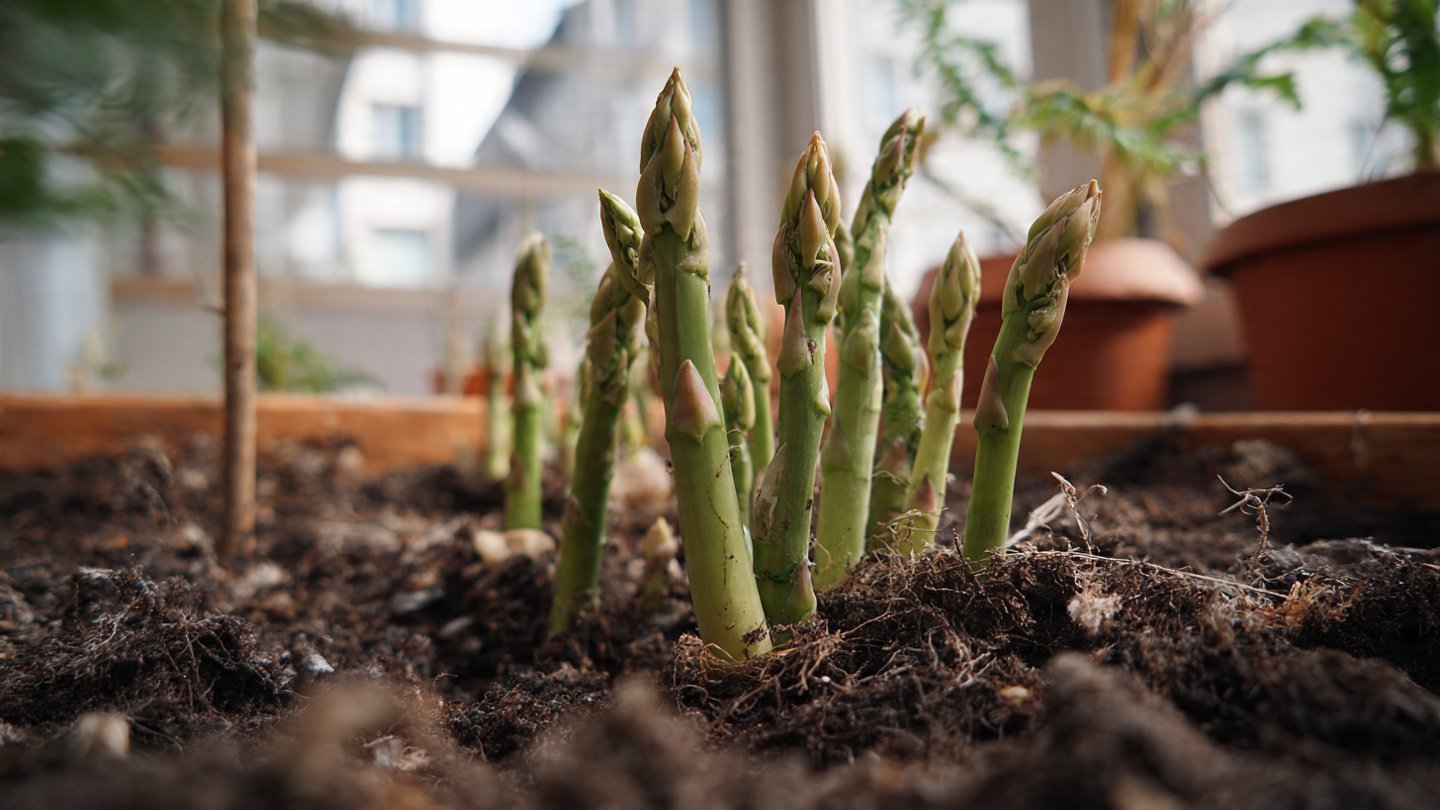
Growing fresh vegetables at home has become more than a hobby—it’s a necessity for many urban dwellers seeking healthy, chemical-free food and sustainable living. Among the vegetables that promise luxury and nutrition, asparagus stands out. Traditionally considered a high-maintenance crop that requires years to mature in a garden bed, I discovered a method to cultivate asparagus successfully right on my terrace. With careful planning, the right techniques, and a little patience, I’ve been able to enjoy more sprouts, faster harvests, and even year-round fresh asparagus, all within the confines of a small space.
Why Grow Asparagus on a Terrace?
Asparagus is often associated with large gardens and long waiting periods. However, terrace gardening opens up new opportunities:
- Space Optimization: Even a small terrace can accommodate asparagus in containers or raised beds, making the most of vertical and horizontal space.
- Pest and Disease Control: Containers allow better control over soil quality, moisture, and pests, reducing common problems found in open gardens.
- Convenience: Harvesting fresh asparagus from your terrace is faster and more convenient than trips to the market, ensuring you always have tender, nutrient-rich spears on hand.
- Sustainability: Terrace-grown asparagus reduces the carbon footprint associated with store-bought produce and promotes home-based self-sufficiency.
Growing asparagus at home also provides immense satisfaction. Watching perennial plants thrive over time while producing nutritious spears is rewarding in both practical and emotional ways.
Choosing the Right Asparagus Variety
Selecting the right variety is crucial for successful terrace cultivation. I opted for hybrid and early-maturing asparagus varieties because they produce faster harvests and are more resilient in container conditions. Some popular options for terrace gardeners include:
- Mary Washington: A classic variety known for high yields and thick spears.
- Jersey Giant: Fast-growing with tender spears suitable for container gardening.
- Purple Passion: Produces sweet, colorful spears and grows well in confined spaces.
For terrace gardening, choosing a variety suited for smaller soil volumes and shorter harvest cycles makes a big difference. I also considered climate tolerance, as terrace exposure can increase temperature fluctuations.
Preparing Containers and Soil
The foundation of terrace asparagus gardening is proper container selection and soil preparation:
- Containers: Deep containers or grow bags at least 18–24 inches deep are ideal, as asparagus has long roots. I use large pots, half-barrels, and even DIY containers made from sturdy plastic bins. Drainage holes are essential to prevent waterlogging.
- Soil Mix: Asparagus thrives in well-draining, nutrient-rich soil. I create a mix of garden soil, compost, and sand in a 2:1:1 ratio. Adding organic fertilizers like vermicompost and neem cake helps support perennial growth.
- pH Level: Slightly acidic to neutral soil (pH 6.5–7) is optimal for asparagus. I use natural soil conditioners like crushed eggshells or wood ash to adjust pH if necessary.
Proper preparation ensures the asparagus roots establish quickly, leading to more sprouts and faster harvests.
Planting Asparagus Crowns
I found that planting asparagus crowns (1-year-old roots) rather than seeds is more effective for terrace gardening because it reduces the time to first harvest:
- Digging the Container: I make a trench in the soil about 6–8 inches deep in the container.
- Placing the Crowns: The crowns are spread evenly in the trench with roots pointing downward and buds facing upward. Spacing is critical—6–8 inches between crowns allows room for growth in a container.
- Covering: I cover the crowns with 2 inches of soil initially, gradually filling the trench as shoots grow.
This method establishes a strong root system that ensures the asparagus plant produces multiple sprouts each season.
Sunlight and Water Requirements
Asparagus thrives in full sunlight, requiring at least 6 hours of direct sunlight daily. On a terrace, I ensure containers are positioned to maximize sun exposure while avoiding harsh afternoon heat in very hot climates.
Watering is another critical factor. Terrace containers can dry out quickly due to sun and wind exposure:
- Consistent Moisture: I water deeply 2–3 times a week, ensuring the roots stay moist but not waterlogged.
- Mulching: Applying organic mulch like straw or dry leaves helps retain moisture, suppress weeds, and regulate temperature.
Consistent sunlight and proper watering directly influence the number of sprouts and the speed of harvest.
Fertilization for More Sprouts
Asparagus is a perennial vegetable that feeds heavily on soil nutrients, so fertilization is key to higher yields:
- Organic Fertilizers: I use compost, vermicompost, and well-rotted manure to enrich the soil naturally.
- Supplemental Feeding: During the growing season, I apply a balanced NPK fertilizer every 4–6 weeks to encourage thick, healthy spears.
- Foliar Feeding: Spraying liquid organic fertilizers on fern-like foliage after the harvest season promotes root health for the next year.
Healthy roots produce vigorous spears, allowing multiple harvests and a consistent supply of fresh asparagus.
Harvesting Techniques for Faster Results
The key to year-round harvests and tender spears lies in proper harvesting techniques:
- Timing: Asparagus is ready to harvest when spears are 6–10 inches tall, typically in early spring.
- Cutting Method: I use a sharp knife or scissors to cut the spear just above the soil line, leaving some small shoots untouched for continued growth.
- Rotation: By staggering containers and planting dates, I ensure continuous harvests throughout the season, even year-round with controlled conditions.
Harvesting properly not only provides more spears but also encourages healthy regrowth for future harvests.
Managing Pests and Diseases on a Terrace
Terrace asparagus is generally less prone to pests than ground-planted crops, but vigilance is essential. Common issues include aphids, cutworms, and fungal infections:
- Neem Oil Sprays: Effective against most pests while being safe for edible crops.
- Physical Barriers: Fine mesh netting or row covers prevent insect damage.
- Clean Containers: Removing dead foliage at the end of the season reduces fungal risks.
By keeping the containers clean and monitoring regularly, I maintain a healthy terrace asparagus garden with minimal chemical intervention.
Extending Harvests Year-Round
Terrace gardening allows me to extend harvests beyond the natural spring season by creating microclimates:
- Partial Shade in Hot Months: Moving containers or providing shade nets prevents heat stress and extends growth.
- Cool Season Growth: Using insulated pots or terrace corners with stable temperatures encourages production during cooler months.
- Sequential Planting: Staggering new crowns in different containers ensures fresh asparagus is always available.
These strategies allow me to enjoy fresh homegrown spears almost all year, a luxury often unavailable in traditional garden plots.
Benefits of Terrace-Grown Asparagus
Growing asparagus on my terrace has multiple benefits:
- Health and Nutrition: Freshly harvested asparagus is rich in vitamins, minerals, and antioxidants.
- Cost Savings: With asparagus being an expensive vegetable, home cultivation reduces grocery bills.
- Sustainable Living: Terrace gardening reduces food miles and reliance on store-bought produce.
- Therapeutic and Educational: Gardening provides mental relaxation and offers learning opportunities for children and family members.
Moreover, terrace-grown asparagus often tastes superior to supermarket varieties because it is picked fresh and consumed immediately.
Conclusion
Growing asparagus on a terrace may seem challenging at first, but with the right containers, soil preparation, sunlight, and care, it becomes a rewarding endeavor. By selecting suitable varieties, planting crowns correctly, maintaining consistent watering and fertilization, and harvesting thoughtfully, I’ve achieved more sprouts, faster harvests, and year-round access to fresh homegrown spears in a small space.
Terrace gardening not only brings fresh food to the table but also transforms a simple urban space into a thriving green oasis. For anyone looking to cultivate asparagus at home, the process requires patience, observation, and a willingness to experiment, but the results—a sustainable, productive, and beautiful terrace garden—are truly worth it.
With just a few containers, the right techniques, and consistent care, anyone can enjoy the luxury of homegrown asparagus, all while making the most of small urban spaces and contributing to a greener, healthier lifestyle.