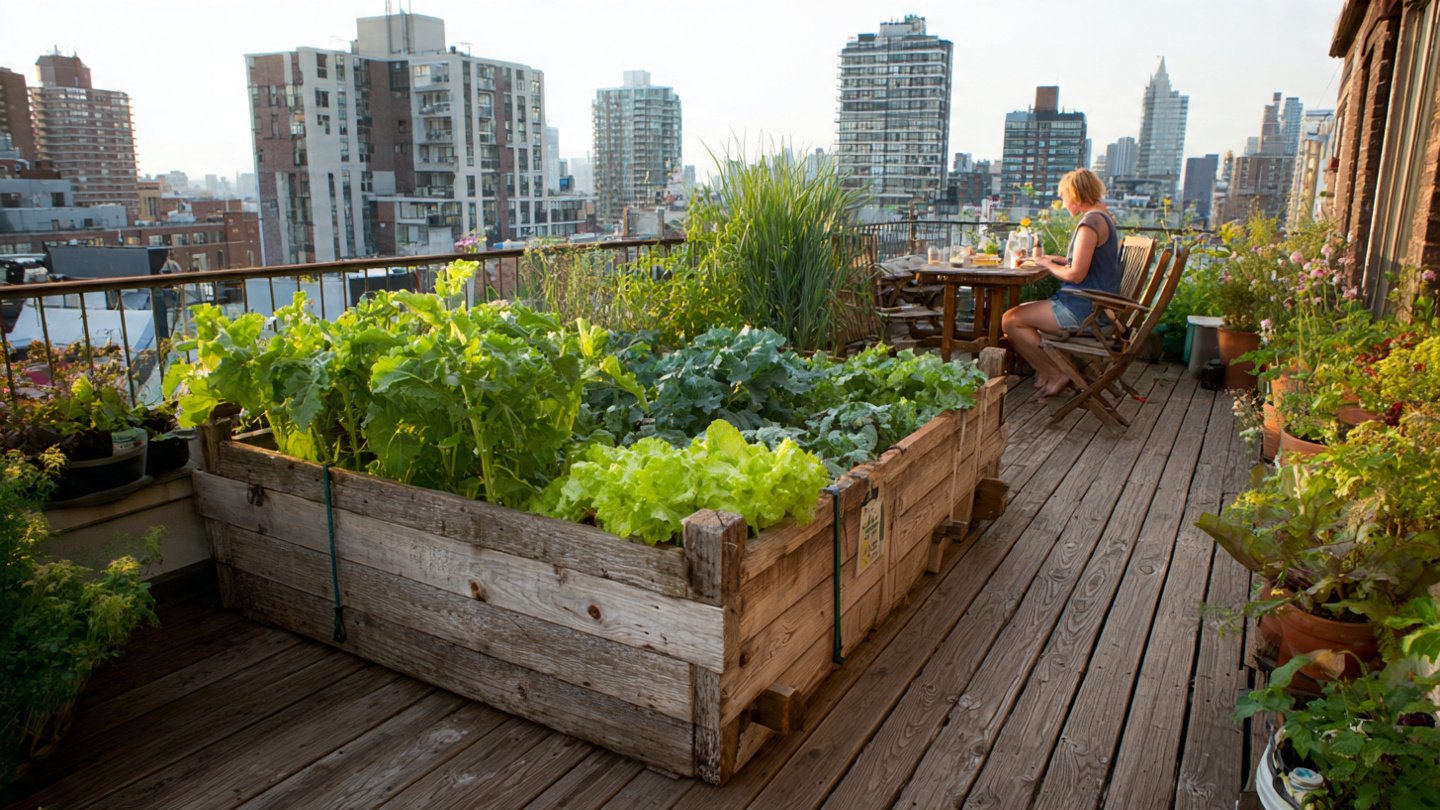
Urban living often comes with limited space, but that doesn’t mean you can’t grow fresh, nutritious vegetables for your family. Rooftop gardening has emerged as an innovative and practical solution for urban households, offering a convenient way to grow food while optimizing space. Beyond aesthetics, growing vegetables on the roof can provide a reliable food source, reduce grocery expenses, and even improve your family’s health. This beginner-friendly guide explores how rooftop vegetable gardening works, why it’s beneficial, and how to get started with minimal effort.
Why Rooftop Vegetable Gardening is Ideal
Rooftop gardening combines practicality with sustainability. Here’s why it’s ideal for providing vegetables for the family:
- Space optimization: In urban areas, gardens on the ground may be unavailable, but rooftops are often underutilized. A few containers can yield a substantial harvest.
- Easy access: Having vegetables growing on your roof reduces trips to the market and makes harvesting convenient.
- Environmental benefits: Plants improve air quality, reduce urban heat, and can even insulate buildings to save energy.
- Nutritional advantage: Homegrown vegetables are fresher and more nutritious than store-bought ones, ensuring a healthier diet for your family.
- Family activity: Rooftop gardening can involve the entire family, teaching children about nature, responsibility, and the value of homegrown food.
With the right planning, a small rooftop space can support enough vegetables to significantly supplement your family’s diet.
Choosing the Right Vegetables for the Roof
Not all vegetables thrive in containers or rooftop environments. When planning your rooftop garden, choose crops that are:
- Compact or bushy: Tomatoes, peppers, lettuce, spinach, radishes, and bush beans are excellent choices.
- Fast-growing: Leafy greens and herbs provide continuous harvests within a few weeks.
- Lightweight and resilient: Avoid heavy root vegetables like carrots or potatoes unless you have deep, reinforced containers.
- High-yield per space: Crops like kale, chard, and dwarf cucumbers maximize harvest in small areas.
Mix fast-growing and slow-growing vegetables for a continuous supply of fresh produce throughout the year.
Preparing the Roof for Vegetable Gardening
Safety and proper preparation are crucial for rooftop gardening:
- Structural integrity: Ensure your roof can handle the weight of containers, soil, and water. Consult a structural engineer if necessary.
- Waterproofing: Protect your roof with a waterproof membrane to prevent leaks.
- Sunlight: Most vegetables require 6–8 hours of direct sunlight daily. Choose a spot that receives sufficient light.
- Wind protection: Rooftops are often windy. Install windbreaks, trellises, or barriers to prevent plants from drying out or breaking.
- Drainage: Ensure containers have proper drainage holes, and use trays or saucers to collect excess water, preventing damage to the roof.
Proper preparation ensures your rooftop garden is safe, productive, and low-maintenance.
Choosing Containers and Growing Medium
Vegetables on rooftops typically grow in containers, raised beds, or grow bags. Here’s what to consider:
- Containers: Use lightweight pots, plastic barrels, or grow bags. Avoid heavy clay pots unless the roof can support the weight.
- Size: Deep containers (8–12 inches) are ideal for leafy greens and herbs, while larger containers (12–18 inches) support tomatoes, peppers, and bush beans.
- Soil: Use a well-draining, fertile potting mix. Mix garden compost with coconut coir, perlite, or vermiculite to improve aeration and water retention.
- Fertilization: Rooftop plants in containers need regular feeding, as nutrients wash out quickly with watering. Organic fertilizers or compost tea can maintain healthy growth.
Choosing the right containers and soil ensures plants grow strong, productive, and resilient to rooftop conditions.
Watering and Maintenance
Rooftop gardens are exposed to sun and wind, which can dry out soil quickly. Proper watering is critical:
- Consistent moisture: Check soil daily, especially during hot or windy weather. Water when the top inch of soil feels dry.
- Avoid overwatering: Too much water can lead to root rot. Containers should drain well.
- Mulching: Use straw, leaves, or coconut husks to reduce evaporation and keep roots cool.
- Pest control: Regularly check leaves for aphids, whiteflies, or fungal growth. Organic insecticides, neem oil, or manual removal can control pests without chemicals.
Routine maintenance, including watering, pruning, and pest control, ensures vegetables thrive and produce abundant yields.
Maximizing Yield in Small Spaces
Even small rooftops can support significant vegetable production with smart planning:
- Vertical gardening: Use trellises, netting, or stacked containers to grow climbers like beans, cucumbers, and peas.
- Succession planting: Sow fast-growing vegetables every 2–3 weeks to ensure a continuous supply.
- Companion planting: Mix crops that complement each other, such as tomatoes with basil or lettuce with radishes, to optimize space and deter pests.
- Intercropping: Plant short, leafy vegetables under taller plants to maximize vertical space.
- Proper spacing: Avoid overcrowding, which reduces airflow, increases disease risk, and limits yield.
By combining vertical and horizontal planting, even a small rooftop can produce enough vegetables to supplement family meals effectively.
Harvesting for Family Use
Rooftop gardening makes harvesting convenient and frequent:
- Leafy greens: Harvest outer leaves first; inner leaves will continue to grow.
- Herbs: Pinch off stems regularly to encourage bushier growth.
- Fruit vegetables: Harvest tomatoes, peppers, and cucumbers when ripe to stimulate further production.
- Continuous harvest: Harvesting in stages encourages plants to keep producing throughout the season.
Regular harvesting ensures fresh vegetables for your family and keeps plants productive.
Benefits for the Family
Growing vegetables on the roof provides multiple advantages beyond fresh food:
- Food security: You have a constant supply of vegetables, reducing dependence on markets.
- Cost savings: Growing at home can reduce grocery expenses, especially for expensive vegetables like cherry tomatoes, peppers, and herbs.
- Healthy eating: Homegrown produce is free from harmful chemicals and preservatives.
- Educational value: Children learn about plants, nutrition, and responsibility.
- Stress relief: Gardening provides mental health benefits and encourages outdoor activity.
Rooftop gardening is an easy and sustainable way to meet the family’s nutritional needs while saving money and improving well-being.
Common Challenges and How to Overcome Them
Rooftop gardens are rewarding, but they come with challenges:
- Strong winds: Protect plants with barriers, trellises, or windbreak nets.
- Heat stress: Provide shade during the hottest part of the day to prevent wilting.
- Limited water supply: Use drip irrigation or self-watering containers to reduce manual watering.
- Pest infestations: Monitor plants regularly, use organic solutions, and encourage beneficial insects like ladybugs.
Planning and proactive care minimize these challenges, ensuring a productive rooftop garden.
Sustainability and Long-Term Planning
Rooftop gardening is not just about growing vegetables for one season—it can be a sustainable, long-term food source:
- Soil building: Add compost regularly to replenish nutrients.
- Seed saving: Save seeds from mature plants for the next season.
- Rainwater harvesting: Collect rainwater for irrigation to reduce reliance on municipal water.
- Crop rotation: Rotate vegetables in containers each season to prevent soil-borne diseases.
With proper planning, your rooftop garden can provide a steady supply of vegetables for years, making it a reliable resource for the family.
Conclusion
Growing vegetables on the roof is an easy, practical, and highly rewarding way to provide for your family. With minimal space, careful planning, and regular maintenance, even a small rooftop can produce a variety of nutritious vegetables. From leafy greens and herbs to tomatoes and peppers, rooftop gardening allows families to enjoy fresh, healthy food year-round while saving money and contributing to sustainability.
The benefits extend beyond nutrition: rooftop gardens teach responsibility, provide a fun activity for children, reduce stress, and create a green oasis in urban environments. By choosing the right vegetables, preparing the roof properly, and maintaining consistent care, anyone can turn an unused rooftop into a thriving vegetable garden that feeds the family easily and effectively.
With these beginner-friendly strategies, rooftop gardening becomes not just a hobby, but a practical solution for family nourishment, cost savings, and urban sustainability.