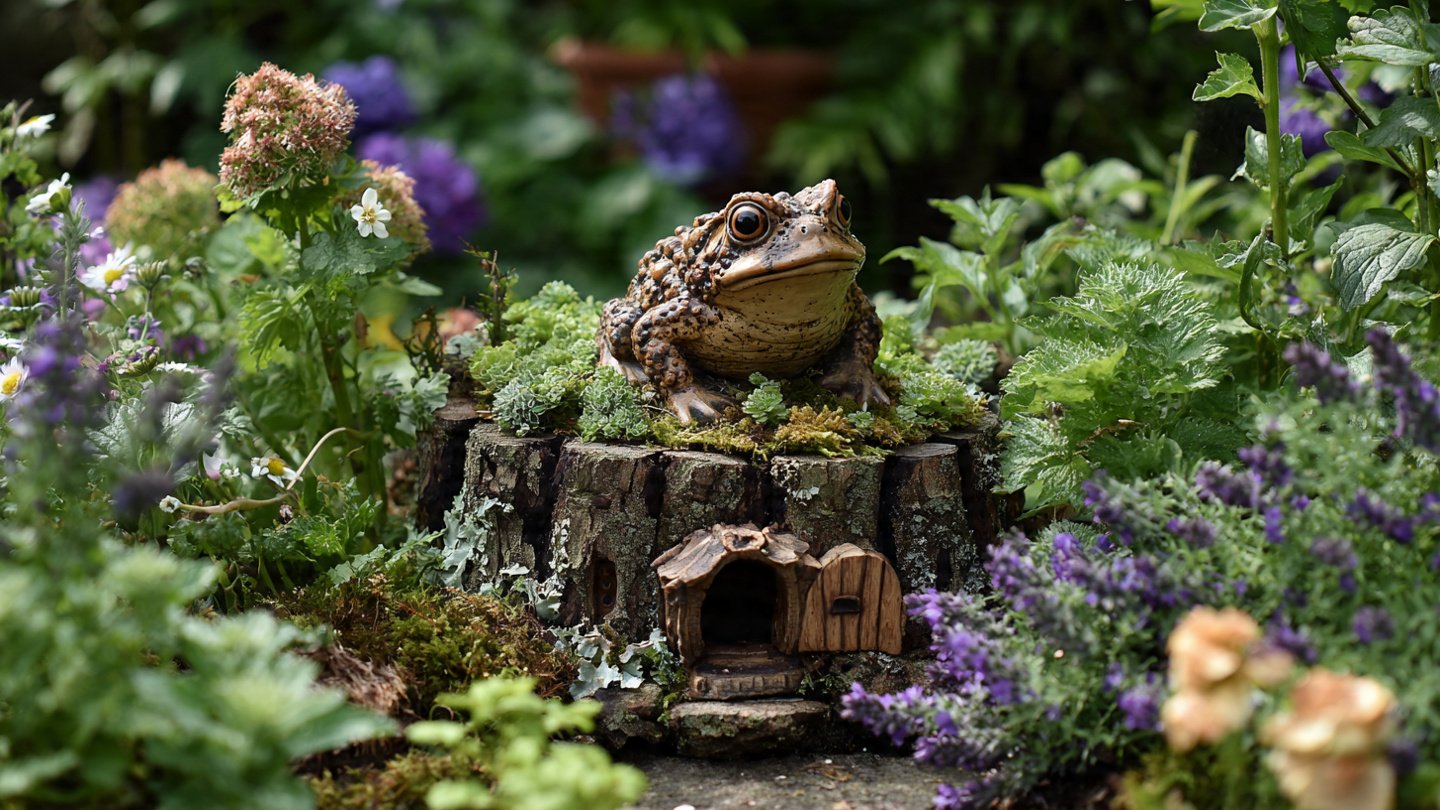
When you think about summer garden improvements, ideas like new flowers, vegetable beds, or a water feature might come to mind. But have you ever considered adding a toad house? It may sound unusual, but creating a small sanctuary for these amphibious garden friends can have a surprisingly big impact on your outdoor space. From natural pest control to eco-friendly gardening, a toad house can transform your garden this summer in ways you might not expect.
Why Toads Are the Garden’s Silent Heroes
Toads are often overlooked in our yards, but they are incredible allies for gardeners. They naturally consume large numbers of pests, including:
- Slugs and snails
- Aphids and caterpillars
- Beetles and other garden insects
One adult toad can eat hundreds of insects each night, making them a living, sustainable way to reduce pests without chemicals. Their presence can help your flowers bloom more beautifully, your vegetables thrive, and your garden feel alive and balanced.
What Is a Toad House?
A toad house is a small, protective shelter designed specifically for toads. It provides:
- Shade during hot days
- Protection from predators
- A damp, cool environment for resting
Toad houses can be made from natural materials such as wood, stone, or clay. They are often small enough to fit in a corner of the garden or tucked among plants, offering a safe retreat for toads during hot summer days.
Benefits of Adding a Toad House to Your Garden
1. Natural Pest Control
The most obvious benefit is pest reduction. By attracting toads, your garden gains nighttime pest patrols. This is especially valuable in vegetable gardens where pests can damage tomatoes, lettuces, and peppers. Unlike chemical sprays, toads are organic and environmentally safe, ensuring that both you and your plants remain healthy.
2. Supporting Local Wildlife
A toad house can help support biodiversity. Many urban and suburban gardens lack the natural shelters amphibians need to thrive. By providing a home, you’re helping maintain a healthy local ecosystem, giving small creatures a chance to survive and reproduce.
3. Eco-Friendly Gardening
Chemical pesticides can harm beneficial insects, soil health, and even pollinators like bees. Toads, on the other hand, offer a natural solution. You’ll reduce the need for synthetic chemicals, making your garden safer and more sustainable.
4. Educational Opportunities
If you have children, a toad house can be a learning opportunity. Watching toads come and go teaches about animal behavior, nocturnal life, and the importance of ecosystem balance. It’s a small but powerful way to connect the younger generation with nature.
5. Enhanced Garden Ambiance
Toads may even add auditory charm. Many species croak at night, creating a peaceful, natural soundtrack for your summer evenings. It’s a subtle but rewarding sensory experience that brings your garden alive in a new way.
Choosing the Right Spot for a Toad House
Placement is key to attracting toads. Here are some tips:
- Shaded areas: Place the house under trees, shrubs, or near tall plants to provide shade.
- Near moisture: Toads love damp environments, so a house near a pond, water feature, or garden bed is ideal.
- Safe from predators: Avoid open spots where birds or cats might disturb them.
- Hidden corners: Toads prefer quiet, secluded areas where they can rest undisturbed during the day.
Even a small corner of your garden can become a toad sanctuary if you choose the right spot.
How to Build or Buy a Toad House
You don’t need to be a master carpenter to provide shelter for toads. Options range from DIY projects to pre-made shelters:
DIY Toad House Ideas
- Clay Pots:
- Turn a large clay pot upside down and place it on the ground.
- Add a few small openings for easy entry.
- Partially bury it for stability.
- Wooden Box:
- Use untreated wood to create a simple box.
- Keep it elevated slightly off the soil for drainage.
- Add a roof and leave one or two entrances.
- Stone Shelters:
- Stack flat stones to create a small cave.
- Fill gaps with soil and moss to make it inviting.
Pre-Made Options
Garden centers and online stores often sell ready-to-use toad houses. These are usually crafted from wood or recycled materials and come with predrilled entrances for easy access.
No matter the method, make sure the house is durable, moisture-retaining, and predator-proof.
Caring for Your Toad House
Once installed, maintaining the shelter is simple:
- Check for debris: Clear leaves or garden waste that may block entrances.
- Keep soil damp nearby: Toads love humidity; light watering around the house can encourage visits.
- Avoid chemicals: Do not use pesticides or fertilizers near the house.
- Observe, don’t disturb: Toads are sensitive; minimize handling to avoid stress.
A well-maintained toad house can attract generations of amphibians, creating a thriving mini-ecosystem in your garden.
How to Encourage Toads to Move In
Toads are naturally shy and may take time to discover their new home. Here’s how to entice them:
- Add cover: Plant ferns, hostas, or tall grasses nearby to provide natural hiding spots.
- Introduce moisture: A shallow dish of water nearby can attract toads, especially during hot days.
- Provide food sources: By cultivating a pest-friendly environment (yes, like small insects and slugs), you naturally attract toads.
- Be patient: Toads may take days or even weeks to move in, but once they find a safe space, they often return year after year.
Seasonal Considerations
While summer is ideal for attracting and observing toads, it’s important to think year-round:
- Winter hibernation: In colder climates, toads may hibernate under leaf litter, logs, or your toad house. Make sure the shelter remains insulated and undisturbed.
- Spring activity: Toads become active in spring as temperatures rise. This is the perfect time to install a house and encourage colonization.
- Rainy periods: Toads thrive in wet conditions, so houses near garden beds that retain moisture naturally are more attractive.
Transforming Your Garden With a Toad House
By adding a toad house, you’re not just creating a home for amphibians, you’re transforming your garden into a more sustainable, dynamic, and visually appealing space. Here’s how:
- Natural pest reduction: Less chemical intervention needed.
- Enhanced biodiversity: Supporting insects, birds, and other wildlife.
- Educational opportunities: Teaching children about ecology and responsibility.
- Unique garden aesthetics: The combination of plants, water features, and wildlife creates a lively, immersive garden environment.
- Stress reduction: Observing wildlife has been shown to lower stress and improve mental well-being.
A single small shelter can ripple out into multiple benefits, making your garden a mini ecosystem in the heart of summer.
Final Thoughts
A toad house may seem like a tiny addition, but it has the potential to revolutionize your summer garden. It brings together functionality, sustainability, and beauty:
- Toads reduce pests naturally.
- They support local wildlife.
- Their presence encourages organic gardening practices.
- They can even make your garden a more engaging, sensory-rich space.
Whether you build your own from clay, stone, or wood—or invest in a ready-made shelter—creating a safe, welcoming spot for toads will reward you with healthier plants, more wildlife activity, and a vibrant garden ecosystem.
This summer, give your garden a small but powerful upgrade: a toad house. Watch your garden come alive with movement, life, and the subtle, natural magic that only a thriving ecosystem can provide.