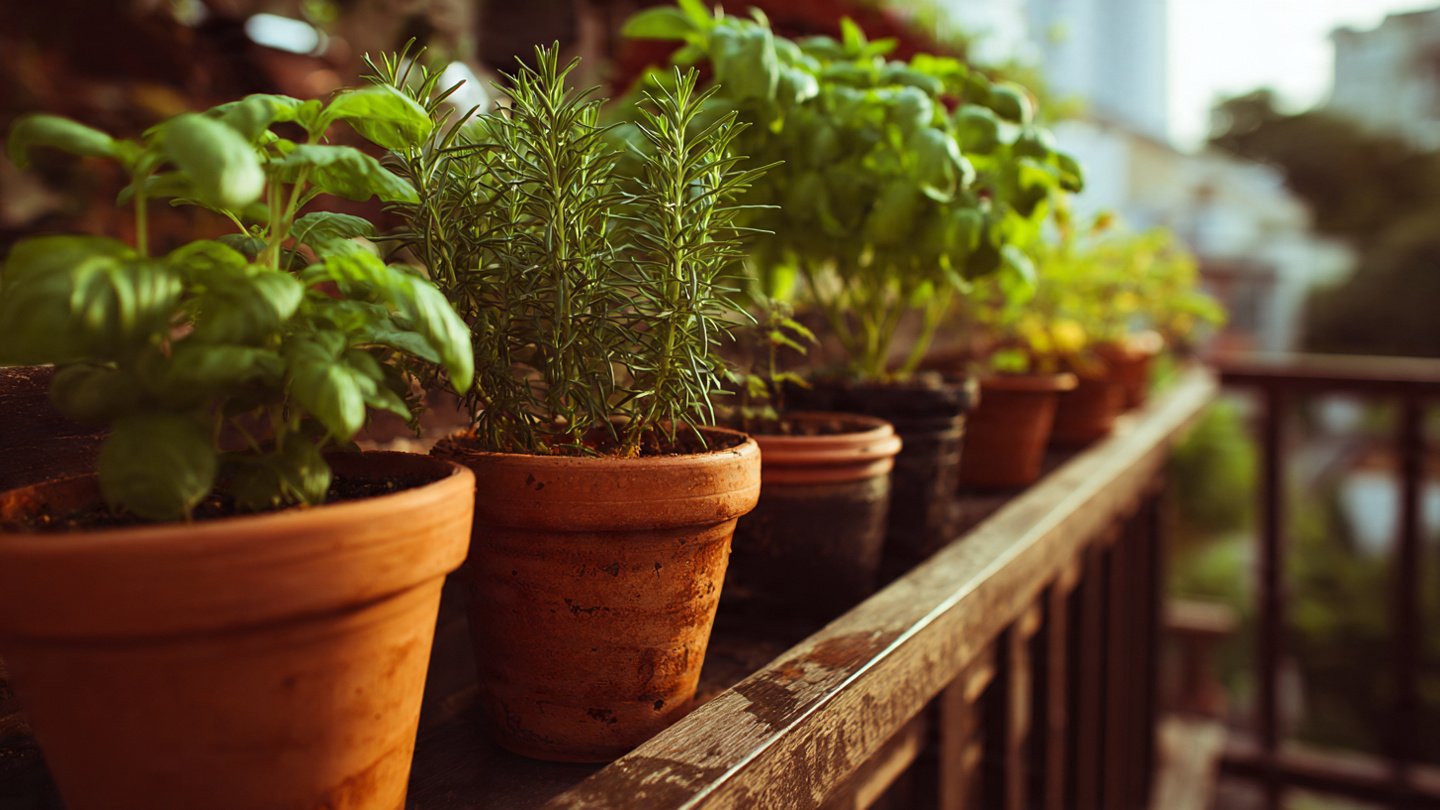
Urban gardening has become increasingly popular, and balcony gardens are one of the most accessible ways to grow fresh herbs in apartments or small spaces. However, a common challenge for balcony gardeners is ensuring a consistent, nutrient-rich water supply. Tap water may contain chemicals like chlorine or fluoride, which can affect sensitive herbs, and frequent watering can be both time-consuming and costly. This is where collecting rainwater comes in as a game-changing, eco-friendly solution.
By harvesting rainwater, balcony gardeners can enhance plant health, reduce water costs, and create a more sustainable growing environment. This article explores how collecting rainwater can transform your balcony herb garden, providing practical tips, design ideas, and care insights to maximize its benefits.
Why Rainwater Is Ideal for Herbs
Rainwater is naturally soft, free from chemicals, and rich in trace minerals. This makes it ideal for watering herbs like basil, cilantro, thyme, mint, and rosemary.
Benefits include:
- Chemical-free hydration: Unlike tap water, rainwater does not contain chlorine, fluoride, or salts that can stress plants.
- Balanced pH: Rainwater is slightly acidic, which is perfect for most herbs that prefer a pH of 6.0–7.0.
- Nutrient content: Trace elements in rainwater support plant growth, flavor, and aroma.
- Cost-effective: Reduces reliance on municipal water and lowers bills.
- Sustainable practice: Conserves water and promotes eco-conscious gardening.
Collecting and using rainwater not only enhances the flavor and health of your herbs but also supports greener urban living.
Step 1: Setting Up a Rainwater Collection System for Your Balcony
Even a small balcony can host a simple rainwater collection system. Here’s how to get started:
Materials Needed:
- Rain barrel or large container (5–20 liters for small balconies)
- Mesh or filter to keep debris out
- Funnel or pipe to direct water from balcony railing or roof drainage
- Lid to prevent mosquito breeding
Steps:
- Position the container near the balcony edge or drainage outlet.
- Install a funnel or pipe to capture rainwater efficiently.
- Cover the barrel with a lid or mesh to prevent leaves, dust, or insects from entering.
- Optional: Attach a small spigot for easy watering of herb pots.
Even a modest setup can capture enough water to sustain a small herb garden through dry spells.
Step 2: Using Rainwater for Herb Gardens
Rainwater can be applied in several ways to maximize benefits for your balcony herbs:
- Direct watering: Use a watering can or spigot to hydrate pots directly.
- Top dressing: Pour rainwater around the base of each plant for even root absorption.
- Foliar spray: Lightly mist leaves with rainwater to reduce dust and improve photosynthesis.
Using rainwater regularly helps herbs develop strong roots, lush foliage, and intense flavor.
Step 3: Choosing the Right Herbs for Rainwater Irrigation
Most herbs thrive with rainwater, but some respond particularly well:
- Basil: Lush leaves and strong aroma improve with chemical-free water.
- Mint: Thrives in soft, moist conditions provided by rainwater.
- Cilantro/Coriander: Sensitive to tap water salts; benefits from natural rainwater.
- Parsley: Grows dense and vibrant with consistent, soft water.
- Thyme & Rosemary: While drought-tolerant, occasional rainwater boosts essential oils and flavor.
Rainwater helps herbs retain essential oils and taste, making your garden both decorative and culinary.
Step 4: Timing and Frequency of Watering
Rainwater availability naturally fluctuates, so consider these strategies:
- Early morning watering: Reduces evaporation and prepares plants for hot midday sun.
- Consistent hydration: Water when the soil surface feels dry. Herbs don’t like soggy soil, so ensure proper drainage.
- Supplement during dry periods: Use stored rainwater during weeks without rain.
Monitoring your herb pots ensures they receive just the right amount of water for healthy growth.
Step 5: Combining Rainwater with Fertilizers
Rainwater can work synergistically with organic fertilizers:
- Compost tea: Add diluted compost tea to rainwater for an extra nutrient boost.
- Liquid fertilizers: Soft rainwater reduces chemical stress when applying diluted fertilizers.
- Mulching: Retains moisture and enhances the benefits of rainwater.
This combination encourages robust growth, higher yields, and flavorful leaves.
Step 6: Preventing Problems in Rainwater Gardening
While rainwater is excellent, it’s important to manage potential challenges:
- Mosquito prevention: Keep the container covered or use a fine mesh.
- Algae growth: Clean the container periodically and avoid constant sun exposure.
- Overflow management: Ensure excess water drains safely without damaging balcony flooring.
- Storage duration: Use collected water within a few weeks to maintain freshness and prevent stagnation.
Addressing these issues ensures safe, effective, and hygienic use of rainwater.
Step 7: Benefits Beyond Hydration
Using rainwater transforms your balcony garden in more ways than just watering:
- Reduced stress during heat waves: Rainwater keeps soil cooler than tap water.
- Enhanced plant resilience: Soft water reduces chemical stress, allowing herbs to withstand summer heat better.
- Eco-friendly gardening: Reduces water bills and carbon footprint.
- Better flavor and aroma: Herbs irrigated with rainwater develop more intense essential oils.
These advantages make rainwater collection a vital component of thriving urban herb gardens.
Step 8: Creative Rainwater Uses for Balcony Gardens
You can get creative with rainwater while adding aesthetic value:
- Mini waterfalls or fountains: Use stored rainwater for decorative circulation.
- Hydroponic supplement: Incorporate rainwater in small hydroponic herb setups.
- Misting systems: Install a drip or misting system connected to your rainwater container to maintain humidity for sensitive herbs.
- Container layering: Water tiered or stacked pots using rainwater to save space.
Rainwater isn’t just functional; it becomes part of the design and ambiance of your balcony garden.
Step 9: Combining Rainwater with Balcony Garden Design
Rainwater storage and delivery can enhance your garden’s visual appeal:
- Use decorative barrels or containers to complement pots and planters.
- Integrate bamboo or ceramic vessels for an aesthetic touch.
- Combine with vertical gardening or tiered shelves for space efficiency.
- Place small rainwater fountains or misting systems to create a lush, sensory environment.
Well-planned rainwater systems make your balcony garden both practical and beautiful.
Step 10: Long-Term Advantages
Over time, collecting and using rainwater provides lasting benefits:
- Reduces dependence on municipal water during dry summers.
- Promotes healthy, resilient herbs with better flavor.
- Supports sustainable urban living practices.
- Encourages mindfulness and connection with natural cycles.
- Inspires neighbors and friends to adopt eco-friendly gardening practices.
The cumulative effect is a thriving, low-maintenance balcony garden that flourishes even under summer heat.
Final Thoughts
Collecting rainwater is one of the simplest and most effective ways to enhance a balcony herb garden. By providing chemical-free, nutrient-rich water, you can grow lush, flavorful herbs while conserving resources and embracing sustainability. With a small container, proper placement, and simple care practices, rainwater becomes a powerful ally in urban gardening, keeping your herbs healthy during hot, dry spells and ensuring a continuous, vibrant harvest.
From improved plant health and flavor to cost savings and eco-conscious living, using rainwater can truly transform your balcony garden. By incorporating this natural resource thoughtfully, you create a garden that not only survives the summer heat but thrives beautifully, providing fresh, aromatic herbs all season long. 🌿💧