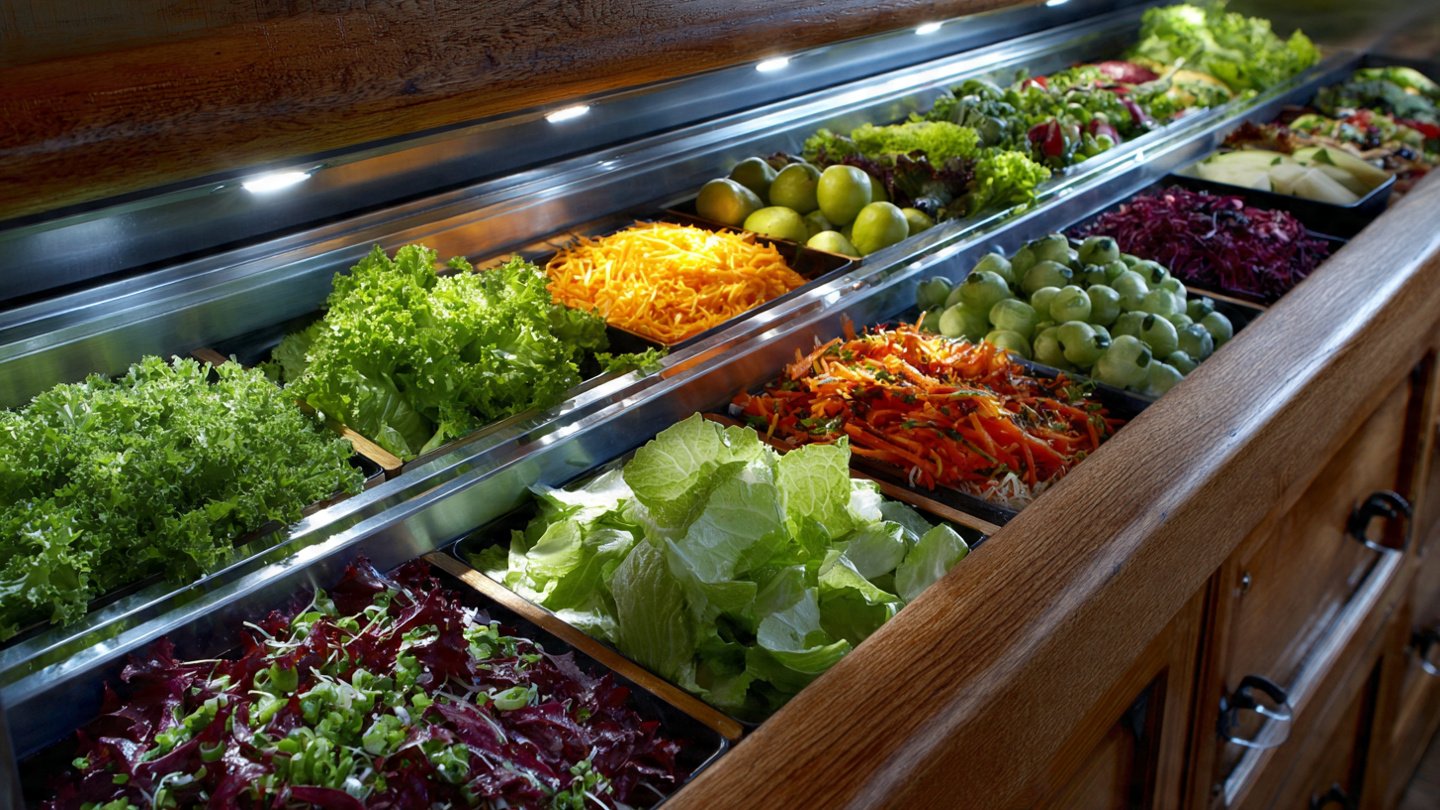
In urban gardening, limited space is often the biggest challenge. Not everyone has a backyard to grow fresh vegetables, herbs, and salad greens. But what if you could turn a simple household item into a thriving mini-garden? Repurposed rain gutters offer a creative, space-saving solution, letting you cultivate a variety of greens right on your balcony, patio, or even kitchen wall. With a little effort, your rain gutter can transform into a gourmet salad bar, providing fresh, nutritious, and flavorful ingredients year-round.
This guide will walk you through everything you need to know—from planning and preparation to planting, maintenance, and harvesting—to turn a humble rain gutter into a thriving salad garden.
Why Use Rain Gutters for Gardening?
Rain gutters are an ideal platform for growing salad greens because:
- Space-Efficient: They can be mounted vertically, horizontally, or in tiers, making them perfect for small spaces.
- Cost-Effective: Repurposing old gutters saves money compared to buying planters.
- Drainage-Friendly: Gutters are naturally designed for water flow, which helps prevent overwatering.
- Customizable: You can grow a wide variety of greens, herbs, and even edible flowers in different lengths and configurations.
- Eco-Friendly: Repurposing reduces waste and promotes sustainable gardening.
From arugula to kale, chives to microgreens, rain gutters allow you to cultivate a continuous supply of fresh salad ingredients at home.
Step 1: Gather Your Materials
You don’t need fancy equipment—just a few basic items:
- Old or new rain gutters (aluminum, PVC, or plastic work best)
- End caps for gutters to hold soil
- Mounting brackets or hooks for vertical or wall installation
- Potting mix (lightweight and well-draining)
- Compost or organic fertilizer
- Seeds or seedlings (lettuce, spinach, kale, arugula, herbs, edible flowers)
- Drip irrigation system or watering can
- Plastic sheeting or landscape fabric (optional, for lining gutters)
- Level and measuring tape (for proper mounting)
Choosing lightweight materials makes it easier to mount gutters on walls or balconies.
Step 2: Prepare Your Gutters
Before planting, your gutters need some preparation:
- Clean Thoroughly: Remove dirt, leaves, and debris. If recycled, wash the gutters to prevent contamination.
- Seal the Ends: Attach end caps to prevent soil from falling out. Drill small drainage holes if the gutters don’t already allow excess water to escape.
- Optional Lining: Line the gutters with landscape fabric or plastic sheeting to prevent soil loss while still allowing water drainage.
These simple steps ensure your salad bar functions efficiently and keeps your growing medium in place.
Step 3: Mount Your Rain Gutters
Depending on your space, you can mount gutters:
- Horizontally: On railings, fences, or balcony edges.
- Vertically: Against walls, saving space while allowing multiple tiers.
- Tiered System: Stacking several gutters for a layered salad bar.
Use mounting brackets or hooks to secure gutters. Ensure a slight tilt of 1–2% toward one end so excess water can drain without flooding the plants. Make sure gutters are sturdy enough to support soil and water weight.
Step 4: Choose the Right Soil Mix
Salad greens thrive in light, nutrient-rich, and well-draining soil. A simple DIY mix works perfectly:
- 40% potting soil
- 30% compost or worm castings
- 20% coco peat or coconut coir
- 10% perlite or sand for drainage
Fill each gutter with this mix, gently pressing it to eliminate air pockets while keeping it loose enough for roots to grow.
Step 5: Select Your Salad Ingredients
A gourmet salad bar should be diverse. Consider mixing leafy greens, herbs, and edible flowers:
Leafy Greens
- Lettuce (romaine, butterhead, or red leaf)
- Spinach
- Arugula
- Kale
- Swiss chard
Herbs
- Basil
- Mint
- Parsley
- Cilantro
- Chives
Edible Flowers (Optional)
- Nasturtiums
- Calendula
- Borage
Mixing varieties adds texture, flavor, and visual appeal to your salad bar.
Step 6: Planting Your Salad Bar
- Spacing: Seeds can be sown densely for microgreens or spaced according to maturity size.
- Depth: Plant seeds about 0.5–1 inch deep, covering lightly with soil.
- Seedlings: For faster growth, transplant young seedlings, spacing them to allow airflow.
- Watering: Water gently after planting to settle the soil around seeds or roots.
If you’re creating a tiered vertical system, start with heavier or larger plants at the bottom for stability.
Step 7: Watering and Fertilization
- Consistent Moisture: Salad greens require regular watering but not waterlogging. Gutters should drain freely to prevent root rot.
- Drip Irrigation: A small drip system can automate watering, ensuring each plant receives adequate moisture.
- Fertilization: Feed your plants every 2–3 weeks with organic liquid fertilizer or compost tea to promote lush growth.
Keep a close eye on soil moisture, especially in warm, sunny conditions.
Step 8: Pest and Disease Management
Even small salad bars can attract pests. Some tips for maintaining healthy plants:
- Inspect leaves regularly for aphids, caterpillars, or mites.
- Remove any damaged or diseased leaves promptly.
- Use natural solutions like neem oil, garlic spray, or insecticidal soap.
- Ensure good airflow between plants to prevent fungal diseases.
A vertical salad bar naturally reduces soil-borne issues, making pest management easier.
Step 9: Harvesting Your Gourmet Salad
- Cut-and-Come-Again Method: Harvest outer leaves first, leaving inner leaves to continue growing.
- Microgreens: Harvest when seedlings have 1–2 sets of true leaves.
- Herbs: Snip just above a leaf node to encourage branching.
- Edible Flowers: Pick blooms in the morning for best flavor and appearance.
Frequent harvesting stimulates new growth, keeping your salad bar productive throughout the season.
Step 10: Seasonal Adjustments
- Summer: Provide partial shade if plants show signs of heat stress.
- Winter: Use frost covers or relocate gutters indoors near a sunny window.
- Rotation: Replant spent crops to maintain continuous harvest.
- Soil Refresh: Replace or supplement soil with fresh compost every few months.
By adjusting care according to the season, your gutter salad bar can remain productive year-round.
Benefits of a Rain Gutter Salad Bar
- Freshness: Enjoy organic, pesticide-free salad greens at home.
- Variety: Grow a wide range of greens, herbs, and flowers in one space.
- Space-Saving: Perfect for balconies, patios, or urban gardens.
- Sustainability: Repurposing gutters reduces waste and promotes eco-friendly gardening.
- Cost-Effective: Minimal setup cost, especially if using recycled materials.
A repurposed rain gutter is not just a planter—it’s a compact, sustainable gourmet salad station.
Final Thoughts
Transforming a repurposed rain gutter into a gourmet salad bar is a creative, practical, and rewarding gardening project. With proper preparation, soil, and care, even a small space can provide a continuous supply of fresh greens, herbs, and edible flowers. This project is perfect for urban dwellers, eco-conscious gardeners, or anyone who wants the convenience of harvesting salad ingredients just steps from the kitchen.
By following these steps—preparing gutters, choosing the right soil and plants, and maintaining consistent care—you can enjoy a vibrant, productive, and visually stunning salad bar at home. Your repurposed rain gutter isn’t just a planter; it’s the foundation for fresh, healthy, and delicious salads every day.