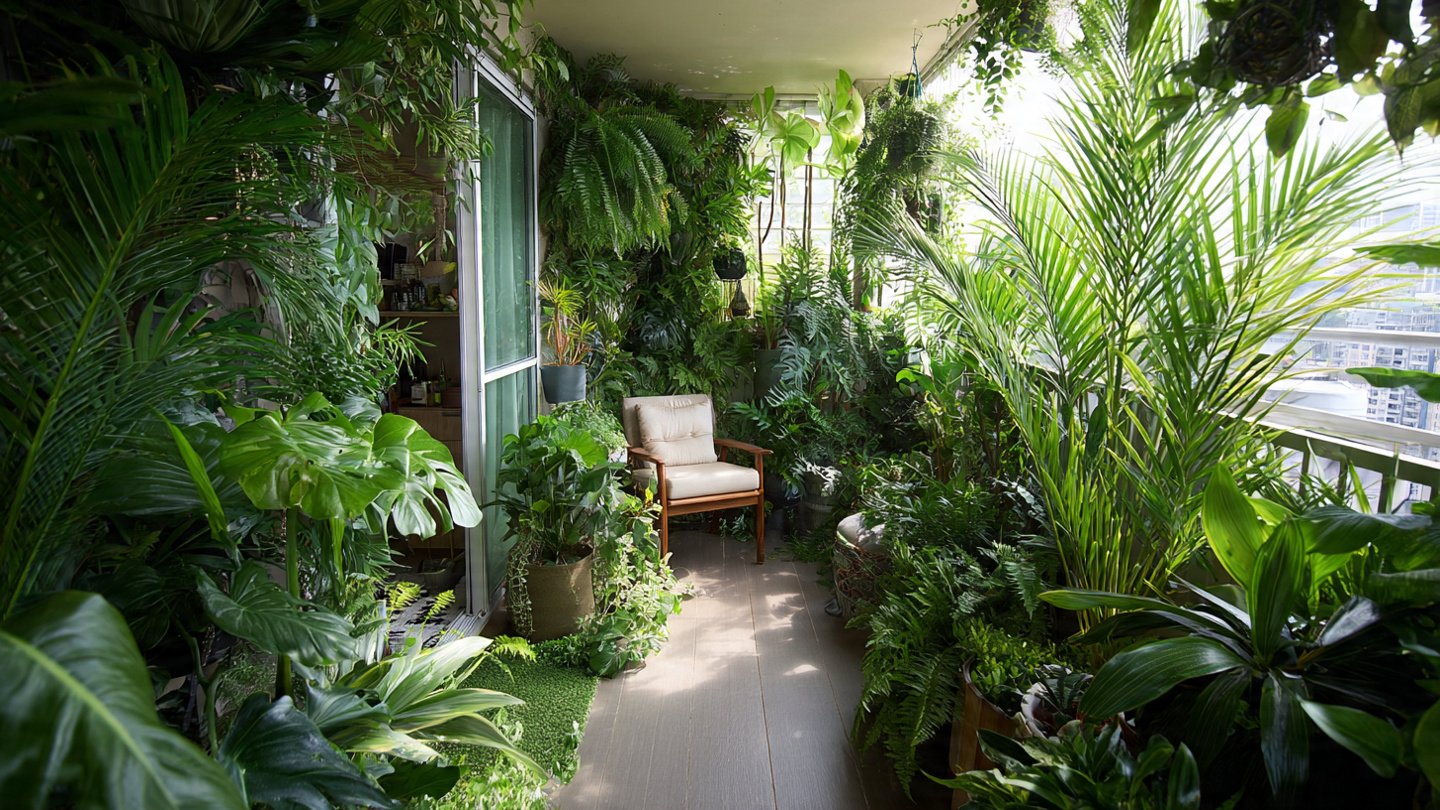
Balconies are often overlooked, treated as small, utilitarian spaces for drying clothes or storing miscellaneous items. But with a bit of creativity and planning, your balcony can be transformed into a lush, serene jungle retreat, a private oasis right in the heart of your home. Whether you live in a bustling city or a quiet suburb, a green balcony filled with vibrant foliage, fragrant blooms, and relaxing corners can bring both visual delight and mental calm.
This guide will walk you through every step to turn your balcony into a thriving jungle retreat, covering plant selection, layout, design principles, and maintenance tips.
Step 1: Assess Your Balcony Space
Before you start filling your balcony with greenery, you need to understand the space you’re working with.
- Size and Shape: Measure the length, width, and height to know how much room you have for plants, furniture, and décor.
- Sunlight Exposure: Note how much sunlight your balcony receives daily—full sun, partial sun, or shade—as this will dictate plant choices.
- Wind and Weather: Balconies, especially higher floors, can be windy. Consider windbreaks or heavy pots to prevent plants from toppling.
- Weight Limit: Be mindful of structural limits if you plan to add heavy soil, pots, or water features.
A careful assessment ensures your jungle retreat is safe, functional, and suited to your environment.
Step 2: Choose the Right Plants
Creating a jungle-like balcony requires a layered approach to plant selection, combining tall, mid-sized, and trailing plants.
Tall Plants
Tall plants add vertical interest and privacy:
- Fiddle Leaf Fig (Ficus lyrata): Large, glossy leaves make a dramatic statement.
- Areca Palm or Bamboo Palm: Adds tropical vibes and air-purifying benefits.
- Dracaena or Schefflera: Hardy options for medium-light balconies.
Mid-Sized Plants
These fill space at eye level and provide lush greenery:
- Philodendrons and Monsteras: Iconic tropical leaves.
- Calatheas: Stunning foliage with striking patterns.
- Crotons: Brightly colored leaves add variety.
Trailing Plants
Trailing plants soften edges and create cascading greenery:
- Pothos: Hardy and fast-growing, perfect for railings or hanging baskets.
- String of Pearls or Ivy: Adds a delicate, flowing effect.
- Spider Plant: Easy to maintain and visually appealing.
Flowering Plants
Add color and fragrance:
- Bougainvillea: Bright, cheerful blooms.
- Hibiscus: Tropical flair with large flowers.
- Orchids: Elegant, exotic, and ideal for partially shaded areas.
Choosing plants suited to your balcony’s light conditions ensures your jungle thrives year-round.
Step 3: Plan Your Layout
A jungle balcony works best when you layer plants for depth and movement. Consider these design strategies:
- Vertical Layering: Place tall plants in the corners or against the walls, medium plants at mid-level, and trailing plants along railings or shelves.
- Use Multi-Tiered Stands: Plant stands or shelves allow you to display multiple plants without crowding the floor.
- Hanging Planters: Maximize vertical space while creating a canopy effect.
- Zoning: Reserve space for seating or a small table to create a relaxing corner amidst the greenery.
A thoughtful layout makes the balcony feel spacious, immersive, and natural.
Step 4: Choose Containers and Pots
The right containers not only hold soil but also enhance the aesthetics of your jungle balcony:
- Material: Use terracotta, ceramic, or resin pots. Terracotta is breathable and great for moisture control; resin is lightweight for high-rise balconies.
- Size: Ensure pots are large enough to accommodate mature plant roots without overcrowding.
- Color: Neutral tones like green, brown, or gray complement the foliage, while bright colors can add pops of visual interest.
- Drainage: Proper drainage prevents root rot. Always ensure pots have holes at the bottom.
Mixing styles and heights of pots adds depth and variety, enhancing the jungle feel.
Step 5: Incorporate Vertical Gardens
If your balcony is small, vertical gardening allows you to grow more plants without using valuable floor space:
- Wall-Mounted Planters: Install pockets or shelves to hold trailing or flowering plants.
- Trellises: Train climbing plants like ivy, bougainvillea, or jasmine to grow vertically.
- Hanging Baskets: Use ceiling hooks or balcony railings for cascading greenery.
Vertical gardens mimic forest layers, giving your balcony a dense, immersive jungle look.
Step 6: Add Natural Elements
A jungle retreat isn’t just about plants—it’s about creating a sensory experience:
- Water Features: Small fountains or tabletop waterfalls add soothing sound and humidity.
- Rocks and Pebbles: Scatter decorative stones or create a small Zen corner.
- Mulch: Natural mulch keeps soil moist, prevents weeds, and enhances a forest floor feel.
- Wooden Accents: Bamboo screens, wicker furniture, or wooden plant stands add natural textures.
Incorporating these elements enhances the authentic jungle vibe of your balcony.
Step 7: Choose Furniture for Relaxation
Your balcony jungle isn’t complete without a cozy space to enjoy it:
- Compact Seating: Foldable chairs, a small loveseat, or a hammock chair fit small spaces.
- Side Tables: Perfect for drinks, books, or decorative items.
- Cushions and Throws: Weather-resistant fabrics add comfort and color.
- Swing Chairs or Hammocks: For an ultimate jungle retreat feel.
Position furniture to maximize views of greenery while allowing enough space for plant maintenance.
Step 8: Optimize Light Conditions
Balcony jungles often face light challenges. Adjust your plant selection and placement:
- Full Sun Balconies: Choose sun-loving plants like hibiscus, bougainvillea, or succulents for top-tier layers.
- Partial Sun/Shade Balconies: Opt for ferns, calatheas, pothos, or philodendrons.
- Artificial Lighting: Use grow lights for darker corners or during winter months to maintain vibrant foliage.
Balancing light ensures plants stay healthy, vibrant, and thriving.
Step 9: Watering and Humidity
Tropical plants love humidity, but balcony conditions can be dry:
- Watering Schedule: Water regularly, keeping soil slightly moist but not soggy.
- Self-Watering Planters: Help maintain consistent moisture levels.
- Misting: Increases humidity and keeps leaves clean.
- Grouping Plants: Clustering plants together creates a micro-humid environment.
Proper water and humidity management are essential for lush, healthy jungle foliage.
Step 10: Pest Control
Balcony jungles can attract pests if left unchecked:
- Inspect Plants Regularly: Look for aphids, spider mites, or scale insects.
- Natural Remedies: Neem oil, insecticidal soap, or water sprays are effective and safe.
- Remove Affected Leaves: Prevent infestations from spreading.
- Encourage Beneficial Insects: Ladybugs or lacewings can control pests naturally.
Regular monitoring keeps your jungle vibrant and pest-free.
Step 11: Seasonal Care
Tropical balcony jungles require adaptation through seasons:
- Summer: Ensure sufficient water and shade for sensitive plants.
- Winter: Move tender plants indoors or use protective covers.
- Pruning: Trim dead leaves or overgrown stems regularly to encourage new growth.
- Fertilization: Use organic, balanced fertilizers every 4–6 weeks during active growth.
Seasonal care ensures your balcony remains lush and inviting all year.
Step 12: Personal Touches and Décor
Add personal elements to make the balcony feel like your private jungle sanctuary:
- Lanterns or Fairy Lights: Create a magical ambiance in the evenings.
- Wind Chimes: Add gentle sound and movement.
- Decorative Pots and Sculptures: Introduce artistic touches that complement the greenery.
- Hammocks or Cushions: Make it a retreat where you can relax, meditate, or read.
These touches transform the space from a simple balcony to a personal paradise.
Step 13: Benefits of a Jungle Balcony
Creating a jungle retreat offers multiple benefits:
- Stress Relief: Being surrounded by greenery reduces stress and promotes mental well-being.
- Privacy: Tall plants and vertical gardens act as natural screens.
- Air Purification: Many tropical plants filter toxins, improving air quality.
- Wildlife Habitat: Bees, butterflies, and birds bring your balcony alive.
- Aesthetic Appeal: A vibrant jungle balcony enhances your living space and home value.
A balcony jungle is not only beautiful but also healing, functional, and ecologically friendly.
Conclusion
Turning your balcony into a lush jungle retreat is an exciting and fulfilling project. With careful planning, thoughtful plant selection, and a focus on layering and vertical space, you can transform even a small balcony into a verdant oasis. Combining tall, mid-sized, and trailing plants with cozy furniture, water features, and natural décor creates an immersive jungle experience.
By managing sunlight, water, humidity, and pest control, your balcony can thrive year-round, offering a private retreat from the chaos of everyday life. With patience, creativity, and care, your balcony can become a personal jungle paradise, filled with beauty, tranquility, and the soothing energy of nature.
Even in a small urban space, a balcony jungle proves that nature’s magic can flourish anywhere, providing relaxation, inspiration, and a touch of the wild in your everyday life.