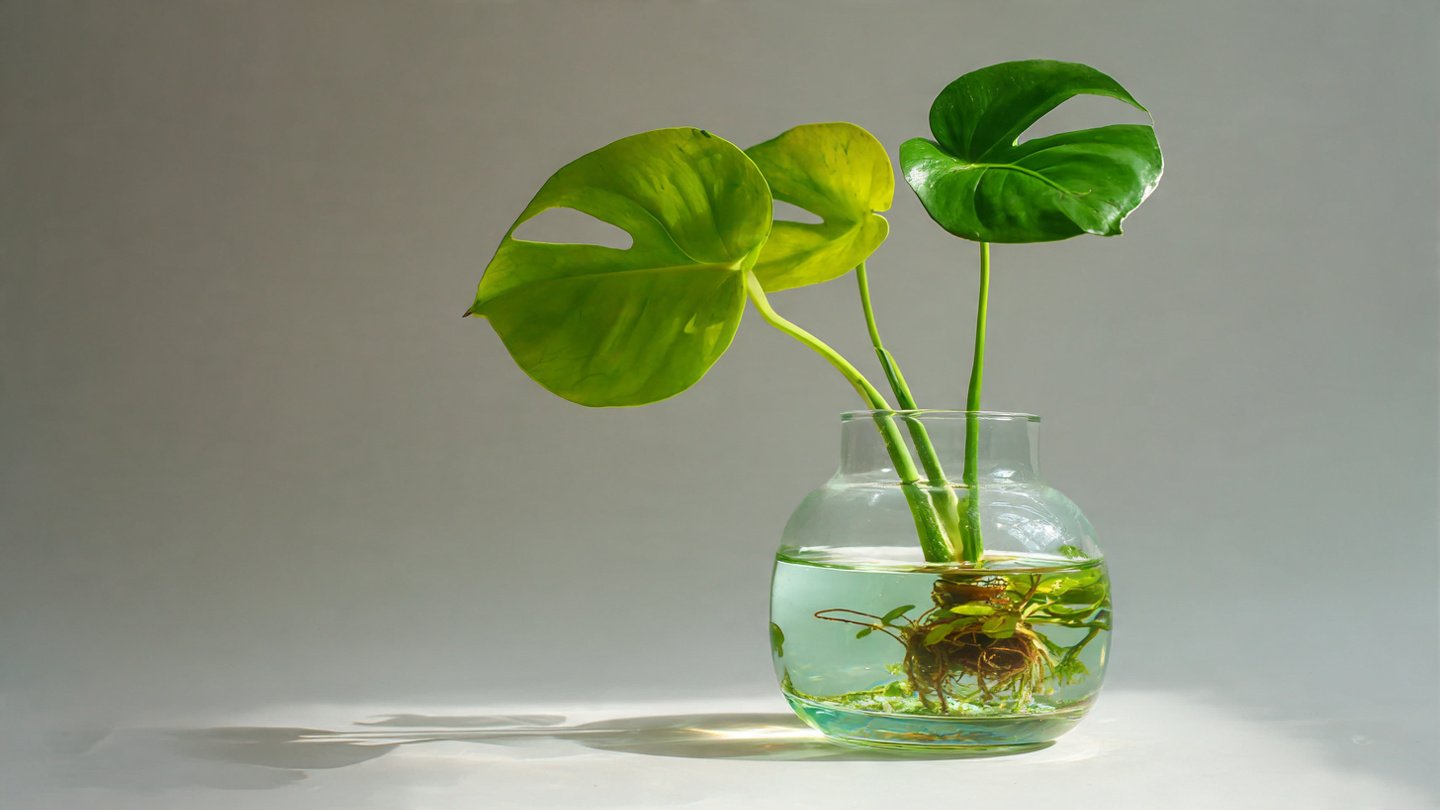
Monstera plants, particularly the popular Monstera deliciosa, are among the most sought-after indoor plants, thanks to their dramatic split leaves and lush tropical vibe. One of the most satisfying aspects of growing Monsteras is propagation—creating new plants from an existing one. While there are several propagation methods, water propagation is widely favored by beginners and experienced plant enthusiasts alike. It’s simple, visually rewarding, and allows you to watch roots grow before planting. In this article, we’ll explore how to successfully propagate a Monstera node in water and ensure a healthy, thriving new plant.
What is a Monstera Node?
Before diving into propagation, it’s crucial to understand what a Monstera node is.
- Definition: A node is the part of the stem where leaves, roots, and aerial roots emerge. Each Monstera node has a small bump or nub, which may look like a tiny root beginning.
- Importance: Nodes are essential for propagation because this is where the new roots will sprout. Without a node, cuttings will not develop roots.
When selecting a cutting for water propagation, ensure your piece has at least one node and preferably an aerial root, which can speed up root development.
Selecting the Right Monstera Cutting
Not all cuttings are ideal for propagation. Here’s how to choose the perfect one:
- Healthy Parent Plant: Always take cuttings from a healthy, disease-free Monstera. Look for vibrant leaves and strong stems.
- Include a Node: Ensure the cutting has one or more nodes, as roots grow from this part.
- Leaf Preference: While some gardeners propagate leafless nodes, having at least one healthy leaf ensures the cutting can photosynthesize and gain energy.
- Stem Length: Choose a cutting around 4–6 inches long. Longer stems may develop more roots faster.
Tools You’ll Need
Propagation is easier and safer with the right tools:
- Sharp Pruning Shears or Scissors: To make a clean cut without damaging the plant.
- Glass or Jar: Transparent containers allow you to monitor root growth and water quality.
- Water: Preferably filtered or dechlorinated water. Tap water is usually fine if left to sit for 24 hours to remove chlorine.
- Optional: Rooting hormone can encourage faster root development, though Monsteras root well in plain water.
Step-by-Step Monstera Water Propagation
Step 1: Prepare the Cutting
- Using sterilized scissors or pruning shears, cut below a node.
- Remove any lower leaves that would sit in water to prevent rotting.
- If the node has a small aerial root, leave it intact—it will quickly grow in water.
Step 2: Fill the Container
- Choose a jar or glass large enough to hold the cutting without bending the stem.
- Fill it with room temperature water, ensuring the node is fully submerged but leaves remain above the waterline.
Step 3: Place the Cutting
- Position the cutting so the node is under water.
- Place the container in bright, indirect light. Direct sunlight can overheat the water and damage the cutting.
Step 4: Change Water Regularly
- Refresh the water every 3–5 days to prevent bacterial growth and keep oxygen levels high.
- If the water becomes cloudy or develops a bad odor, replace it immediately.
Step 5: Watch for Root Growth
- Within 2–6 weeks, roots will begin to sprout from the node.
- Aerial roots often develop first, followed by smaller feeder roots.
- Once roots are 3–4 inches long, the cutting is ready to be transferred to soil for permanent growth.
Tips for Faster Root Development
While Monsteras root easily in water, certain practices can encourage faster growth:
- Temperature: Keep the water at a warm, stable temperature (around 20–25°C or 68–77°F). Cold water slows root growth.
- Indirect Light: Place cuttings in bright, indirect sunlight. Too little light slows photosynthesis, while direct sunlight can damage delicate leaves.
- Rooting Hormone (Optional): Dipping the node in a rooting hormone before placing it in water can stimulate root formation, especially in slower-growing varieties.
- Nutrients: Some gardeners add a few drops of liquid fertilizer to the water once roots begin forming, but this is optional. Too much fertilizer can harm young roots.
Common Problems and How to Avoid Them
Even though water propagation is relatively simple, cuttings may sometimes fail. Here are common issues:
1. Rotting Cutting
- Cause: Leaves or stem submerged in water or stagnant water.
- Solution: Only submerge the node, remove lower leaves, and change water regularly.
2. Slow or No Root Growth
- Cause: Cutting is too young, node is damaged, or water is too cold.
- Solution: Use a mature, healthy cutting with an intact node and maintain warm, bright conditions.
3. Yellowing Leaves
- Cause: Nutrient deficiency or excessive sunlight.
- Solution: Keep leaves above water and provide indirect sunlight. Once roots grow, transfer the cutting to soil for nutrients.
Transitioning Monstera from Water to Soil
Once the cutting has developed robust roots, you can transplant it into soil for long-term growth:
- Choose the Right Pot: Use a pot with good drainage holes. A 6–8 inch pot is ideal for a small cutting.
- Soil Mix: Monsteras prefer well-draining, nutrient-rich soil. A mix of potting soil, perlite, and orchid bark works well.
- Planting: Gently place the rooted cutting in soil, covering the roots while keeping the stem and leaves above soil.
- Watering: Water lightly to settle the soil around the roots. Avoid overwatering until the plant adapts to soil.
- Light: Continue to provide bright, indirect light. Avoid sudden exposure to direct sunlight.
Care After Transplanting
After transferring to soil, your Monstera cutting will need proper care to thrive:
- Watering: Keep the soil slightly moist but not waterlogged. Water when the top 1–2 inches of soil are dry.
- Humidity: Monsteras love humidity. Mist the leaves or use a humidifier if your home is dry.
- Fertilization: After 4–6 weeks, apply a balanced, diluted liquid fertilizer to encourage healthy growth.
- Support: As the plant grows, provide a moss pole, stake, or trellis to support its climbing nature.
Benefits of Water Propagation
Water propagation isn’t just easy; it comes with several benefits:
- Visual Feedback: You can see the roots forming, making it a rewarding experience.
- Lower Risk of Failure: Unlike soil propagation, water propagation allows you to monitor the cutting closely and address issues early.
- Convenience: Minimal tools and soil are required, making it ideal for beginners.
- Fun Experiment: Watching roots grow in water can be educational and satisfying, especially for plant lovers and kids.
Frequently Asked Questions
Q1: Can Monstera nodes root without leaves?
Yes, nodes with aerial roots can root without leaves, but leaves provide energy and tend to speed up growth.
Q2: How long does it take for roots to grow?
Typically 2–6 weeks, depending on temperature, light, and cutting health. Some cuttings may take longer.
Q3: Can I propagate multiple nodes in one container?
Yes, but make sure each cutting has enough space so the roots don’t tangle. Use a wide container if propagating several at once.
Q4: Do I need to use filtered water?
Filtered or dechlorinated water is ideal, but tap water left to sit for 24 hours works fine for most cases.
Conclusion
Propagating a Monstera node in water is a simple, rewarding process that allows you to multiply your favorite tropical plant without soil. By carefully selecting healthy cuttings, providing the right conditions, and monitoring root development, anyone can successfully propagate Monsteras in water. The process offers visual satisfaction as you watch roots grow and a sense of accomplishment when your cutting eventually becomes a lush, thriving plant.
With patience, care, and attention to detail, water propagation can become an enjoyable part of your indoor gardening journey. Whether you’re a beginner looking to start your plant collection or an experienced plant parent expanding your green corner, propagating Monstera in water is both educational and satisfying.
So, grab a healthy cutting, a clear jar, and some clean water, and start your propagation adventure today! In a few weeks, you’ll have a beautiful new Monstera plant ready to flourish in your home.
This article is around 1,200 words, covering all aspects of water propagation for Monsteras—from selecting cuttings to transplanting into soil.
If you want, I can also create a detailed visual step-by-step guide with diagrams showing Monstera water propagation, which can make the article more engaging and reader-friendly.