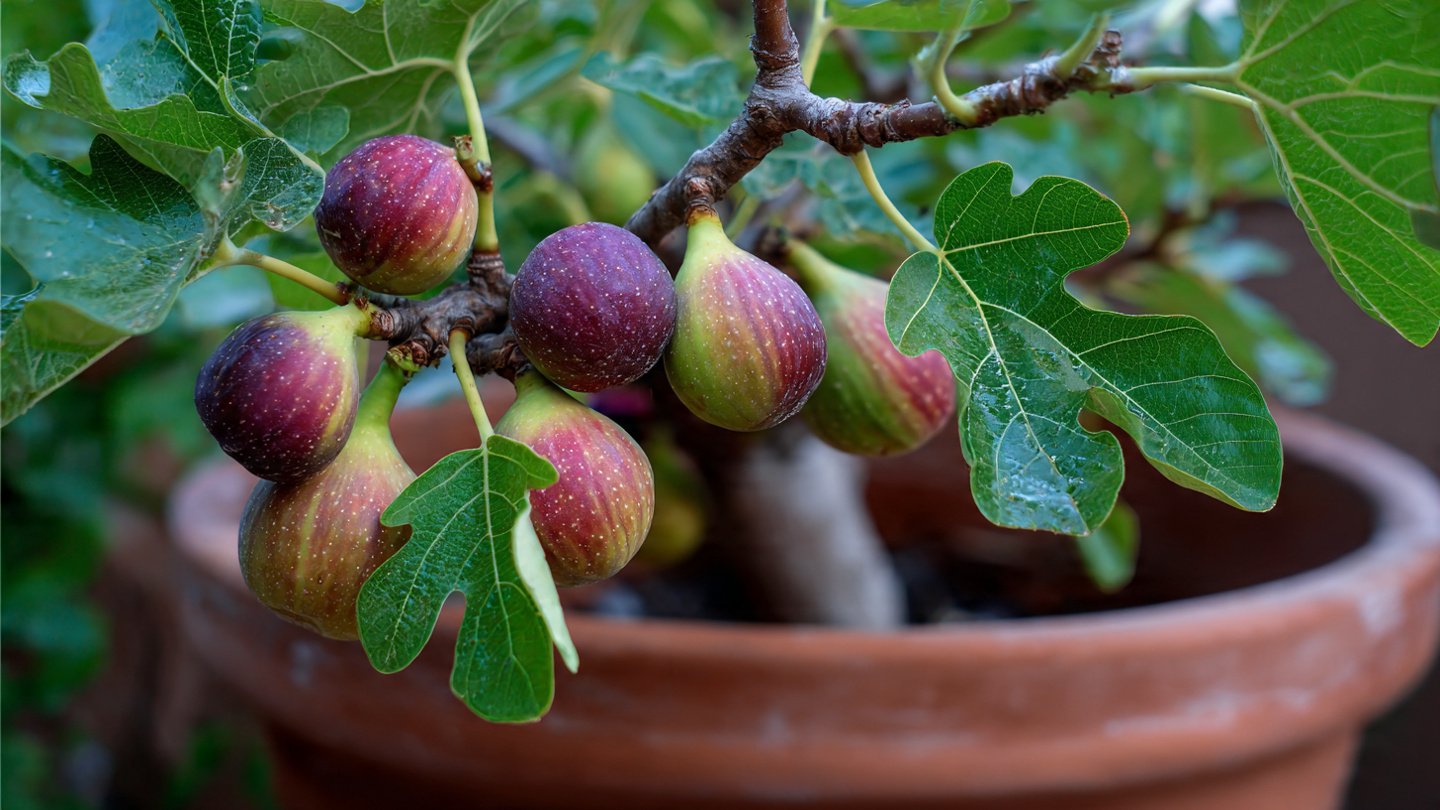
Figs are often associated with warm Mediterranean climates, sprawling trees, and sun-soaked orchards. But what many people don’t realize is that figs are incredibly adaptable—and with the right approach, they can be successfully grown in containers almost anywhere in the world. Whether you live in a hot city apartment, a suburban home, or a cold region with harsh winters, container-grown figs make it possible to enjoy fresh, sweet fruit right at home.
Growing figs in containers offers flexibility, control, and accessibility. With proper variety selection, soil, and care, you can cultivate a healthy fig tree that thrives and produces fruit regardless of your location.
Why Figs Are Perfect for Container Growing
Figs are naturally suited to container life. Their root systems adapt well to confined spaces, and slight root restriction often encourages better fruit production rather than excessive leafy growth. Container growing also allows you to control soil quality, moisture, and sunlight more effectively than planting in the ground.
One of the biggest advantages is mobility. Potted fig trees can be moved to chase sunlight, protected from extreme heat, or brought indoors during cold winters. This adaptability makes figs one of the most versatile fruit trees for home gardeners.
Choosing the Right Fig Variety
Success begins with selecting a fig variety that performs well in containers. Some fig types naturally stay compact and fruit reliably without requiring pollination.
Popular container-friendly fig varieties include Brown Turkey, Chicago Hardy, Celeste, Petite Negra, and Violette de Bordeaux. These varieties are known for their manageable size, strong flavor, and adaptability to different climates.
If you live in a colder region, choose cold-hardy varieties like Chicago Hardy, which can survive lower temperatures with protection. In warmer climates, most fig varieties grow well in containers with proper care.
Selecting the Ideal Container
The container size directly affects the health and productivity of your fig tree. Start with a pot that is at least 12 to 16 inches in diameter for young trees. As the tree grows, it may need to be repotted into a larger container, eventually reaching 20 to 24 inches wide.
Choose containers with excellent drainage holes. Figs dislike waterlogged soil, and poor drainage can lead to root rot. Terracotta pots allow better airflow to roots, while plastic pots retain moisture longer and are lighter to move.
Make sure the container is sturdy enough to support the tree as it grows taller and heavier.
Creating the Perfect Soil Mix
Figs thrive in rich, well-draining soil. Avoid using garden soil alone, as it can compact and restrict root growth in containers.
A good soil mix includes high-quality potting soil combined with compost or well-rotted organic matter. Adding perlite or coarse sand improves drainage and prevents soil from becoming too dense.
The soil should retain moisture without staying soggy. This balance is key to healthy root development and consistent fruiting.
Planting Your Fig Tree
Planting a fig tree in a container is straightforward. Fill the container with soil mix, leaving enough space for the root ball. Gently remove the fig plant from its nursery pot and loosen the roots slightly if they are tightly bound.
Place the tree at the same depth it was growing previously. Backfill with soil, press gently to remove air pockets, and water thoroughly. Adding a layer of mulch on top helps retain moisture and regulate soil temperature.
Sunlight Requirements for Maximum Fruit
Figs love sunlight. For best results, place your container-grown fig tree where it receives at least six to eight hours of direct sunlight daily. More sun generally means better fruit production and sweeter figs.
If you live in an apartment, a sunny balcony, rooftop, or south-facing patio works well. In very hot climates, light afternoon shade can prevent leaf scorch, but full sun remains ideal.
Watering Figs in Containers
Watering is one of the most important aspects of growing figs in containers. Potted trees dry out faster than those planted in the ground.
Water deeply whenever the top inch of soil feels dry. During hot weather, this may mean watering several times a week. However, avoid overwatering, as consistently wet soil can cause root problems.
Consistent moisture is especially important during fruit development. Irregular watering can cause figs to drop or split.
Feeding Your Fig Tree
Container-grown figs rely on you for nutrients. Use a balanced organic fertilizer or slow-release fertilizer during the growing season, starting in spring and continuing through early summer.
Avoid excessive nitrogen, which promotes leafy growth at the expense of fruit. Feeding once every four to six weeks is usually sufficient. Compost or compost tea can also provide gentle, natural nutrition.
Stop fertilizing in late summer to allow the tree to prepare for dormancy.
Pruning and Managing Size
Pruning helps control the size of your fig tree and encourages productive growth. Container figs benefit from light pruning in late winter or early spring before new growth begins.
Remove dead, weak, or crossing branches and maintain an open structure that allows sunlight and airflow. Keeping the tree compact not only makes it easier to manage but also improves fruit quality.
Pollination and Fruit Set
Most common fig varieties grown in containers are self-fruitful and do not require pollination. This makes them ideal for home gardeners.
Figs typically produce fruit on new growth. Maintaining healthy growth through proper care ensures reliable fruiting each season.
Growing Figs in Cold Climates
If you live in a cold climate, container growing is especially valuable. Before winter temperatures drop significantly, move your fig tree indoors to a cool, protected space such as a garage, basement, or enclosed porch.
Figs require a period of dormancy, so a cool area with minimal light is ideal. Water sparingly during winter, just enough to prevent the soil from completely drying out.
In spring, gradually reintroduce the tree to outdoor conditions.
Growing Figs in Hot or Dry Climates
In hot climates, container figs benefit from consistent watering and occasional shade during extreme heat. Mulching helps retain moisture and protect roots from overheating.
Light-colored containers reflect heat better than dark ones, reducing root stress in intense sun.
Harvesting Ripe Figs
Knowing when to harvest figs is key to enjoying their full flavor. Figs do not ripen after picking, so they must be harvested fully ripe.
Ripe figs soften, droop slightly on the branch, and develop rich color. Gently twist or cut the fruit from the stem. Regular harvesting encourages continued production.
Benefits of Growing Figs in Containers
Growing figs in containers offers unmatched flexibility and satisfaction. It allows people anywhere to enjoy fresh fruit, regardless of climate or space limitations. Container figs are easier to protect, manage, and maintain than in-ground trees.
Beyond the harvest, growing figs connects you to natural rhythms and provides a sense of accomplishment. It proves that fruit trees aren’t just for orchards—they belong in everyday homes.
Figs Anywhere, One Container at a Time
Successfully growing figs in containers is about understanding the plant’s needs and adapting them to your environment. With the right variety, proper care, and thoughtful placement, figs can thrive almost anywhere you live.
From city balconies to cold climates, container-grown figs redefine what’s possible in home gardening. One pot, one tree, and a little care can bring the sweetness of figs into your life—no matter where you call home.