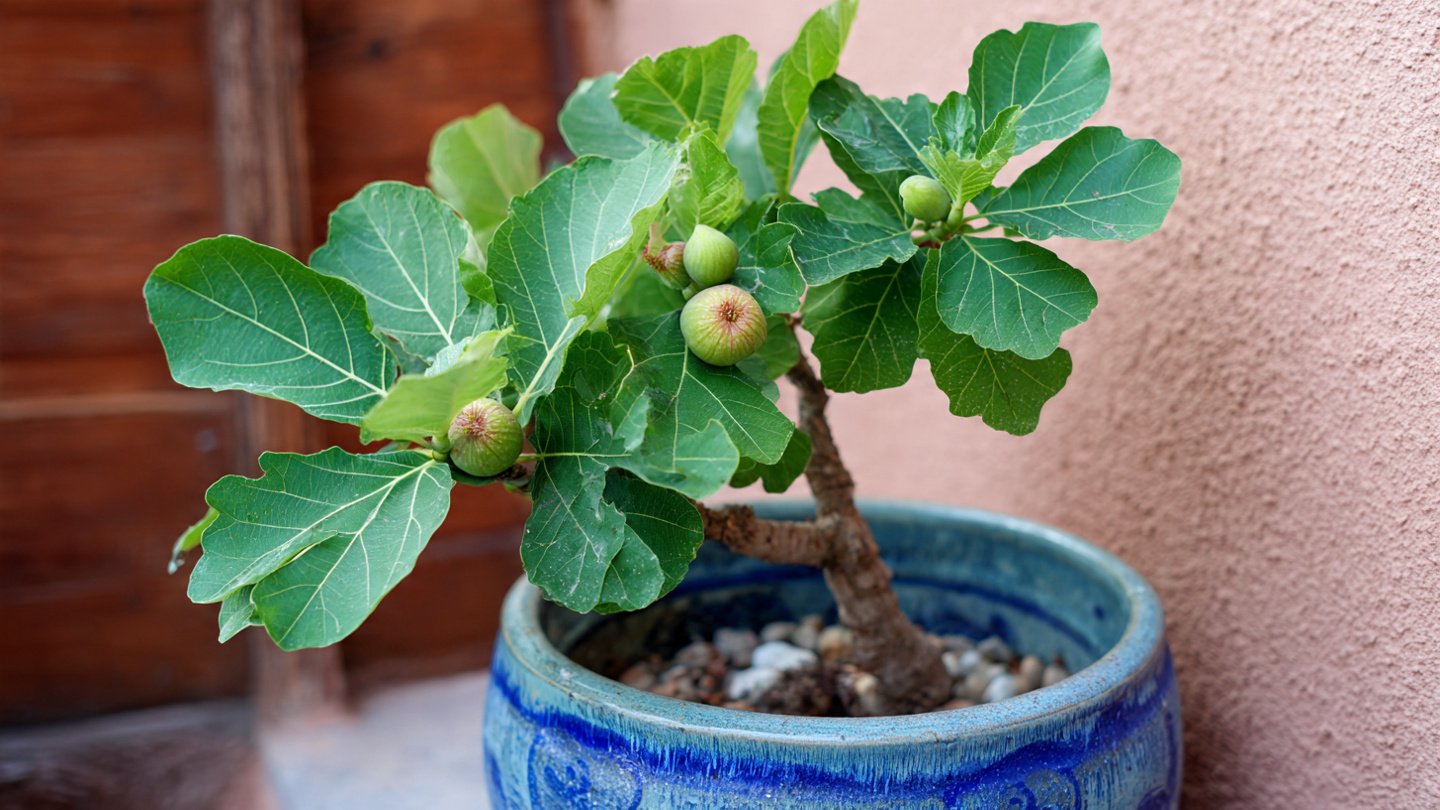
Figs are one of the oldest cultivated fruits in the world, prized for their sweet flavor, soft texture, and impressive nutritional value. While many people assume fig trees require warm Mediterranean climates and large garden spaces, the truth is much more encouraging. Figs are exceptionally well-suited to container growing, making them accessible to gardeners in apartments, small yards, and even cold regions.
Whether you live in a hot, humid climate or a place with freezing winters, growing figs in containers allows you to control soil, temperature, and light—key factors that determine success. With the right approach, you can enjoy homegrown figs almost anywhere.
This guide will walk you step by step through everything you need to know to successfully grow figs in containers, regardless of where you live.
Why Grow Figs in Containers?
Container gardening offers several advantages that make figs easier to manage than when planted in the ground.
First, fig trees naturally adapt well to restricted root spaces. In fact, slightly root-bound figs often produce more fruit than trees with unrestricted root growth. This makes containers ideal for encouraging productivity.
Second, containers provide mobility. If you live in a colder climate, you can move your fig tree indoors or into a protected area during winter. In extremely hot regions, pots allow you to relocate plants to partial shade during heatwaves.
Finally, container growing allows for better control over soil quality, drainage, and moisture, which are critical factors in fig health and fruiting.
Choosing the Right Fig Variety for Containers
Not all fig varieties perform equally well in pots. Selecting the right type is the foundation of success.
Look for compact or naturally smaller fig varieties that are known to thrive in containers. Popular choices include:
- Brown Turkey – Hardy, productive, and beginner-friendly
- Chicago Hardy – Extremely cold-tolerant and ideal for cooler climates
- Celeste – Sweet fruit and compact growth habit
- Little Miss Figgy – Bred specifically for container gardening
- Black Mission – Excellent flavor and strong adaptability
Self-pollinating varieties are essential, as container figs are typically grown without fig wasps.
Selecting the Perfect Container
Container size directly affects root health, growth rate, and fruit production.
- Start with a pot that is at least 12–16 inches wide for young trees
- Mature fig trees do best in 20–24 inch containers
- Ensure the container has multiple drainage holes
Material matters too. Plastic pots retain moisture and are lightweight, while terracotta allows better airflow but dries out faster. Fabric grow bags are also an excellent option, offering superior drainage and root aeration.
Avoid overly large containers at the beginning. Gradual pot upgrades prevent excessive leaf growth at the expense of fruit.
The Best Soil Mix for Container Figs
Figs hate soggy roots, so drainage is critical.
Use a well-draining, nutrient-rich potting mix, ideally containing:
- High-quality potting soil (not garden soil)
- Perlite or coarse sand for drainage
- Compost or aged manure for nutrients
A good mix holds moisture while allowing excess water to escape easily. Avoid heavy clay soils, which can suffocate roots and cause rot.
Light Requirements: Sun Is Non-Negotiable
Figs are sun lovers. For strong growth and sweet fruit, they need at least 6–8 hours of direct sunlight daily.
Place your container fig in:
- A sunny balcony, patio, or rooftop
- Near a south- or west-facing wall for added warmth
- A bright indoor location only as a temporary winter solution
Insufficient sunlight results in poor fruiting, leggy growth, and bland figs.
Watering: Finding the Right Balance
Watering is one of the most common challenges in container fig care.
- Water deeply until it drains from the bottom
- Allow the top 1–2 inches of soil to dry before watering again
- Increase watering during hot weather and fruit development
Overwatering leads to root rot, while underwatering can cause fruit drop. Consistency is key—container figs prefer steady moisture rather than extremes.
Mulching the soil surface helps retain moisture and regulate temperature.
Feeding Your Container Fig Tree
Because nutrients wash out of containers more quickly, regular feeding is essential.
- Use a balanced fertilizer (such as 10-10-10) every 4–6 weeks during the growing season
- Alternatively, apply compost or worm castings monthly
- Reduce feeding once fruit begins to ripen to improve flavor
Avoid high-nitrogen fertilizers, which encourage leaf growth at the expense of fruit.
Pruning and Size Control
Pruning keeps container figs manageable and productive.
- Prune in late winter or early spring before new growth begins
- Remove dead, damaged, or crossing branches
- Limit height to 5–7 feet for easy handling and harvesting
Light summer pruning can help direct energy into fruit development, but avoid heavy cuts during the growing season.
Growing Figs in Cold Climates
If you live in an area with freezing winters, container figs offer a major advantage.
Before frost arrives:
- Move the container into an unheated garage, basement, or shed
- Ensure temperatures stay between 0–10°C (32–50°F)
- Water sparingly during dormancy
Figs naturally lose their leaves and enter dormancy, so darkness during winter storage is perfectly fine.
Once spring temperatures stabilize, gradually reintroduce the tree to sunlight to prevent shock.
Growing Figs in Hot or Humid Climates
In very hot regions, figs may need protection from extreme heat.
- Provide afternoon shade during heatwaves
- Increase watering frequency, but never let roots sit in water
- Ensure excellent airflow to prevent fungal issues
Heat-tolerant varieties like Brown Turkey and Black Mission perform especially well in warm climates.
Common Problems and How to Fix Them
Even hardy figs can face challenges in containers.
Yellowing leaves
Often caused by overwatering or nutrient deficiency. Improve drainage and adjust feeding.
Fruit dropping before ripening
Usually linked to irregular watering or sudden temperature changes.
No fruit production
Commonly due to insufficient sunlight, overfeeding with nitrogen, or excessive pruning.
Pests
Aphids, spider mites, and scale insects may appear. Use neem oil or insecticidal soap as needed.
Harvesting and Enjoying Your Figs
Figs do not ripen after picking, so timing is crucial.
- Harvest when fruits are soft, slightly drooping, and richly colored
- Ripe figs should come off easily with a gentle twist
- Pick regularly to encourage continued production
Fresh figs are best enjoyed immediately, but they can also be dried, frozen, or preserved.
Final Thoughts
Growing figs in containers is one of the most rewarding ways to enjoy fresh fruit at home—no matter where you live. With the right variety, proper container size, consistent care, and a bit of patience, fig trees can thrive on balconies, patios, rooftops, and even indoors during winter.
Container gardening gives you control, flexibility, and the freedom to adapt your fig tree to your environment. Once established, figs are surprisingly low-maintenance and generous producers, offering years of delicious harvests from a single pot.
If you’ve ever thought figs were out of reach for your climate or space, container growing proves that anyone, anywhere, can successfully grow figs.