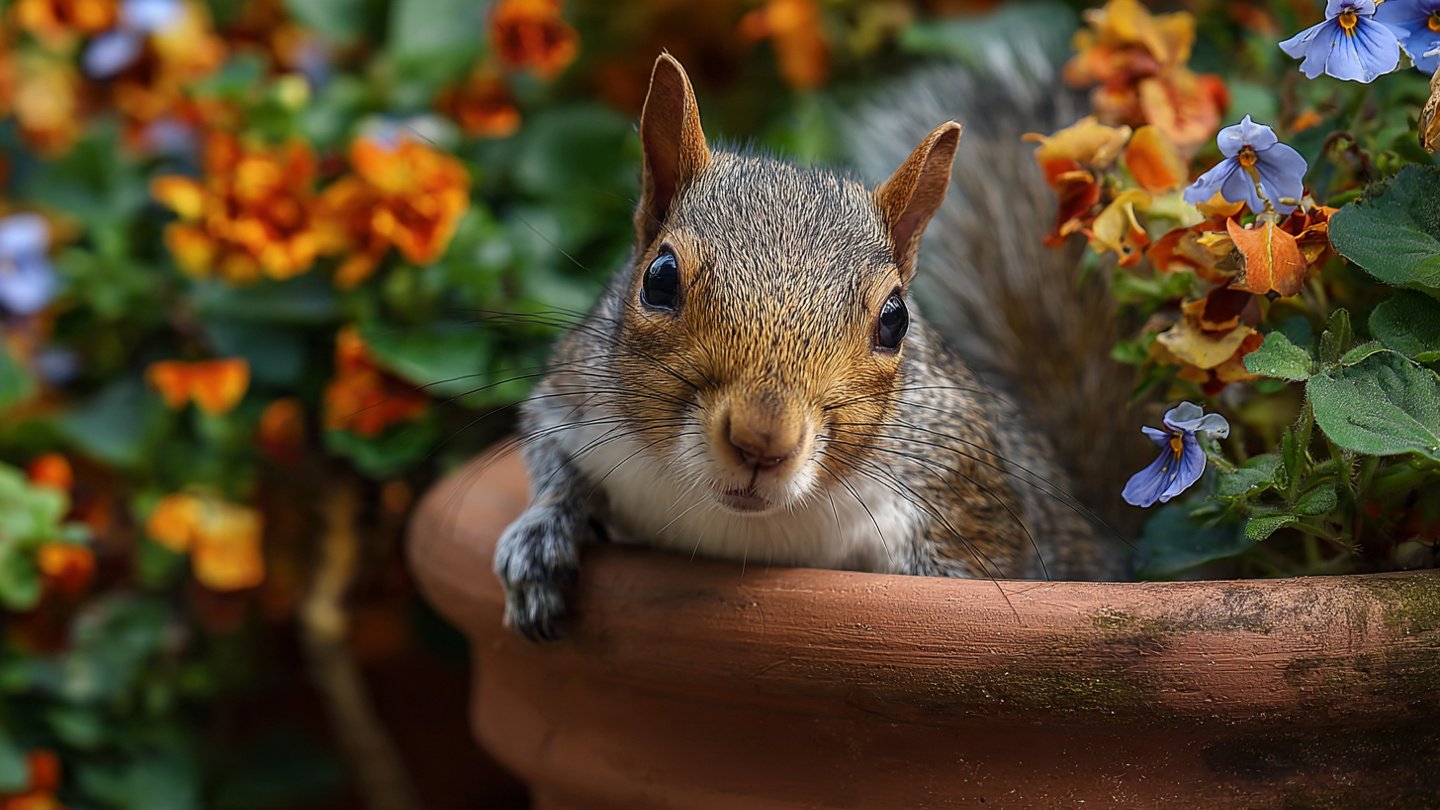
Squirrels are adorable, bushy-tailed creatures that can bring charm to any garden. However, when these furry intruders start digging in your flower pots, the frustration is real. Uprooted plants, scattered soil, and damaged bulbs can quickly turn your peaceful garden into a battleground. The good news is that with the right strategies, you can stop squirrels from digging in your flower pots without harming them. In this guide, we’ll explore practical, humane, and effective ways to protect your plants and enjoy a squirrel-free gardening experience.
Why Squirrels Dig in Flower Pots
Understanding why squirrels dig in flower pots is the first step in preventing it. Some common reasons include:
- Food Storage: Squirrels bury nuts and seeds as a winter food source. Flower pots filled with loose soil resemble perfect hiding spots.
- Curiosity: Squirrels are naturally inquisitive and will dig to explore new areas in their territory.
- Nesting Material: Sometimes, squirrels dig to gather soil or other materials to build nests.
- Scented Plants: Strong-smelling plants, especially herbs like mint or basil, may attract squirrels.
Once you know why squirrels are targeting your pots, you can choose strategies that address the root cause rather than just the symptoms.
Physical Barriers: Keep Squirrels Out
One of the most effective ways to protect flower pots is using physical barriers that prevent squirrels from reaching the soil.
1. Chicken Wire or Mesh
- Cut a piece of chicken wire or hardware cloth slightly larger than your pot.
- Place it over the soil, securing the edges under the pot’s rim.
- Small holes (1/2 inch or less) allow water to reach the soil but prevent squirrels from digging.
This method is highly effective and doesn’t interfere with plant growth.
2. Netting and Garden Fencing
- Lightweight garden netting can cover multiple pots at once.
- Stakes or hoops keep the netting elevated, giving plants room to grow while keeping squirrels out.
- This works well for delicate seedlings that are particularly attractive to squirrels.
Netting is simple to install and remove and is reusable season after season.
3. Decorative Rocks or Mulch
- Squirrels prefer loose, soft soil, so adding a layer of rocks, pebbles, or coarse mulch makes digging difficult.
- Covering the top 1–2 inches of soil is usually enough to deter them.
- Use natural stones or colorful gravel to enhance your pot’s aesthetics while protecting the plants.
This method is low-maintenance and blends seamlessly with your garden design.
Natural Repellents: Scent and Taste Deterrents
Squirrels rely heavily on their sense of smell and taste. Using natural repellents can make your pots less appealing.
1. Cayenne Pepper or Chili Powder
- Sprinkle cayenne pepper, chili powder, or crushed red pepper flakes on the soil surface.
- The strong, spicy scent and taste deter squirrels without harming your plants.
- Reapply after watering or heavy rain for continued protection.
2. Coffee Grounds
- Used coffee grounds can act as a deterrent because squirrels dislike the bitter scent.
- Spread a thin layer over the soil to protect bulbs and seedlings.
3. Garlic or Onion Cloves
- Planting garlic or onions around the base of flowers or scattering crushed cloves on top of the soil can repel squirrels.
- Both plants add flavor to your garden and create a natural barrier.
4. Commercial Animal Repellents
- There are various non-toxic squirrel repellents available in garden stores.
- Choose water-soluble or granular options safe for children, pets, and pollinators.
Combining several scent deterrents often produces the best results, as squirrels may get used to a single method over time.
Plant Squirrel-Resistant Flowers and Herbs
Certain plants are naturally unappealing to squirrels. Incorporating these into your flower pots reduces the likelihood of digging. Examples include:
- Daffodils – Bright blooms with toxic bulbs.
- Alliums – Onion-like plants that squirrels avoid.
- Lavender – Strong scent deters most animals.
- Fritillaria – Unique flowers that squirrels leave alone.
- Marigolds – Aromatic flowers that repel many garden pests.
By planting a mix of attractive blooms and squirrel-resistant species, you can protect vulnerable plants without sacrificing garden beauty.
Motion and Sound Deterrents
Squirrels are cautious and easily startled by sudden movement or noise. These behavioral deterrents can be effective when combined with other methods.
1. Motion-Activated Sprinklers
- Devices that release a quick burst of water when movement is detected startle squirrels.
- Place near flower pots to protect multiple plants at once.
- This method is humane and reduces digging without harming animals.
2. Reflective Objects
- Hanging reflective tape, old CDs, or mirrors around pots can confuse and deter squirrels.
- The sudden flashes of light mimic predator movement and encourage squirrels to stay away.
3. Ultrasonic Repellents
- Some gardeners use ultrasonic devices that emit high-frequency sounds.
- While results vary, these devices may complement other methods for persistent squirrels.
Behavioral deterrents work best when combined with physical barriers and scent-based repellents.
Timing and Maintenance Strategies
Squirrels are most active in spring and fall, searching for food and building nests. Adjusting your gardening routine can reduce conflicts:
- Planting Bulbs Strategically:
- Plant bulbs deeper than usual (2–3 times their height) to make digging harder.
- Cover with mulch or rocks for added protection.
- Consistent Deterrent Application:
- Refresh natural repellents after rain.
- Check physical barriers regularly to ensure they are secure.
- Remove Food Sources:
- Avoid leaving birdseed, fallen fruits, or nuts near flower pots.
- Squirrels may be attracted to your garden if easy food is available.
- Companion Planting:
- Mix squirrel-resistant plants with vulnerable flowers to reduce overall attraction.
By paying attention to timing and maintenance, you make your garden less appealing to squirrels.
Humane Traps and Relocation (Last Resort)
If squirrels continue digging despite preventative measures, humane trapping can be a last resort. Consider the following:
- Live-capture traps catch squirrels without harming them.
- Place traps away from high-traffic areas, bait with nuts or fruits, and check regularly.
- Follow local regulations for relocating wildlife to ensure ethical and legal compliance.
This approach should only be used when other methods fail, as relocation can stress wildlife and may not solve the underlying problem if more squirrels are in the area.
Final Tips for a Squirrel-Proof Garden
- Combine Methods: Use physical barriers, natural repellents, and resistant plants together for maximum effectiveness.
- Stay Consistent: Regularly check pots, refresh repellents, and adjust barriers as plants grow.
- Be Patient: Squirrels are persistent, but consistent protection will train them to avoid your pots.
- Enhance Garden Aesthetics: Use attractive stones, netting, or companion plants to protect flowers without compromising beauty.
- Monitor Activity: Observe squirrel behavior to adjust strategies and ensure they remain effective.
A multi-layered approach is key to keeping your flower pots safe while coexisting with wildlife.
Conclusion
Squirrels may be charming, but when they dig in your flower pots, the damage can be frustrating. The good news is that stopping squirrels is entirely possible with the right combination of physical barriers, natural repellents, plant choices, and behavioral deterrents. From chicken wire and decorative stones to cayenne pepper and motion-activated sprinklers, you can protect your plants without harming these curious creatures.
The key is understanding why squirrels dig, anticipating their behavior, and consistently applying protective measures. By implementing these strategies, your flower pots will stay intact, your plants will flourish, and your garden can remain both beautiful and squirrel-free. With patience and careful planning, you can finally enjoy your blooms without the worry of furry intruders disturbing your soil.