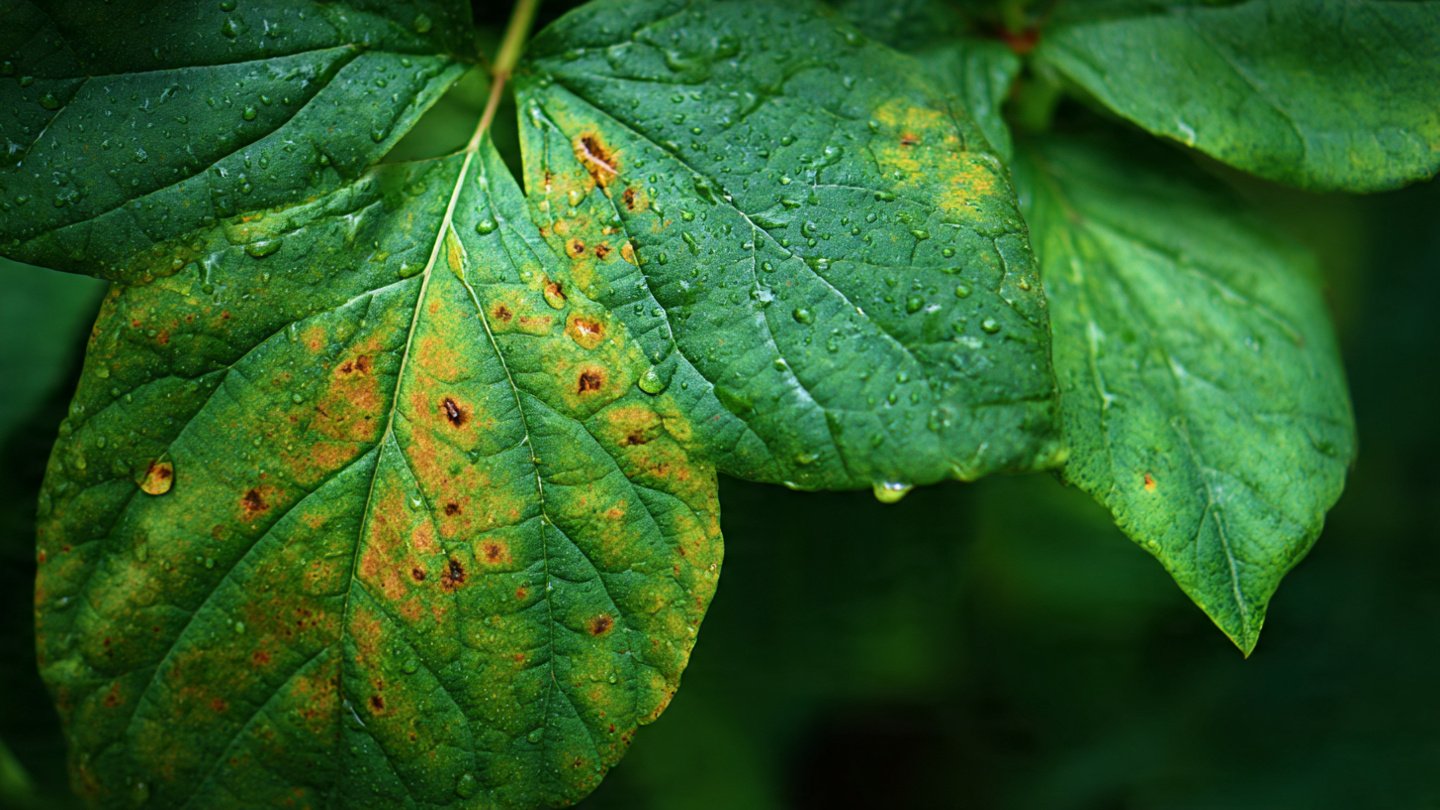
Healthy plants are the foundation of a thriving garden, whether it’s a backyard vegetable patch, an indoor plant collection, or an ornamental flower bed. One of the most effective ways to monitor plant health is by observing leaf symptoms. Leaves are like a plant’s report card: their color, shape, and texture often reflect the nutrients the plant is receiving—or lacking. Spotting nutrient deficiencies early allows you to intervene before growth and yield are seriously affected.
This guide provides a comprehensive, step-by-step approach to identifying and addressing nutrient deficiencies through leaf symptoms, helping gardeners maintain vibrant, productive plants.
Why Leaves Reveal Nutrient Deficiencies
Leaves are the plant’s primary site for photosynthesis, the process that converts sunlight into energy. Nutrients play vital roles in this process and overall plant development. When a plant lacks specific nutrients, physiological processes are disrupted, and leaves show visible symptoms.
Common Signs in Leaves:
- Discoloration: Yellowing, pale green, or purple hues
- Deformation: Curling, wilting, or stunted growth
- Necrosis: Dead or brown patches on leaf tissue
- Spots or streaks: Indicative of nutrient imbalance or toxicity
Observing leaves carefully can give early warnings of deficiencies, preventing long-term damage to your plants.
Key Nutrients and Their Leaf Symptoms
Understanding the role of each nutrient helps gardeners diagnose problems more accurately. Here’s a breakdown of essential plant nutrients and how deficiencies appear in leaves:
1. Nitrogen (N)
- Role: Promotes vegetative growth, leaf development, and chlorophyll production
- Deficiency Symptoms:
- Older leaves turn yellow while new leaves remain green
- Overall stunted growth
- Leaves may drop prematurely
Tip: Nitrogen deficiency often occurs in sandy soils or when crops are heavily harvested.
2. Phosphorus (P)
- Role: Supports root development, flowering, and energy transfer
- Deficiency Symptoms:
- Leaves may turn dark green, bluish, or purplish
- Slower growth and delayed flowering
- Older leaves may curl or appear stiff
Tip: Cold, wet soils can restrict phosphorus uptake even if it is present in the soil.
3. Potassium (K)
- Role: Enhances drought tolerance, disease resistance, and fruit quality
- Deficiency Symptoms:
- Yellowing at leaf edges or tips, progressing to brown scorching
- Leaves may curl or crinkle
- Weak stems and poor fruit development
Tip: Potassium is mobile in plants, so deficiencies often first appear in older leaves.
4. Calcium (Ca)
- Role: Builds cell walls, supports root and leaf development
- Deficiency Symptoms:
- New leaves distorted or hook-shaped
- Tip burn in fruits (e.g., tomatoes)
- Blossom end rot in fruiting crops
Tip: Calcium deficiencies are common in acidic or sandy soils and in rapidly growing plants.
5. Magnesium (Mg)
- Role: Central component of chlorophyll, vital for photosynthesis
- Deficiency Symptoms:
- Interveinal chlorosis (yellowing between leaf veins) on older leaves
- Leaf edges may curl upward
- Leaves may develop brown spots in severe cases
Tip: Magnesium is mobile in plants, so symptoms first appear on older leaves.
6. Iron (Fe)
- Role: Essential for chlorophyll production and enzyme function
- Deficiency Symptoms:
- New leaves turn yellow, veins remain green (interveinal chlorosis)
- Stunted growth and leaf tip curling
- Older leaves usually remain healthy
Tip: Iron deficiency often occurs in alkaline soils where iron becomes less available.
7. Sulfur (S)
- Role: Supports protein synthesis and chlorophyll formation
- Deficiency Symptoms:
- Overall yellowing of young leaves, similar to nitrogen deficiency
- Slower growth and weak stems
Tip: Sulfur deficiency is more common in sandy soils or areas with low atmospheric deposition.
8. Micronutrients (Boron, Manganese, Zinc, Copper)
- Role: Needed in small amounts for enzyme activation, growth, and reproductive development
- Deficiency Symptoms:
- Boron: New leaves distorted, stems brittle, poor flowering
- Manganese: Interveinal chlorosis on young leaves, brown spots
- Zinc: Small leaves, shortened internodes, tip dieback
- Copper: Dark green leaves with twisting or wilting tips
Tip: Micronutrient deficiencies are often overlooked but can significantly reduce productivity.
How to Effectively Spot Leaf Nutrient Deficiencies
Detecting deficiencies requires careful observation and a systematic approach.
Step 1: Regular Inspection
- Check your plants 2–3 times per week
- Examine both older and newer leaves for discoloration, curling, or spots
Step 2: Compare New vs. Old Leaves
- Mobile nutrients (N, P, K, Mg) often show deficiencies first in older leaves
- Immobile nutrients (Ca, Fe, S, B) show symptoms in new growth
Step 3: Look for Patterns
- Interveinal chlorosis: Often magnesium or iron deficiency
- Tip or edge browning: Common in potassium or calcium deficiency
- Overall pale leaves: Nitrogen or sulfur deficiency
Step 4: Check Environmental Conditions
- Soil pH affects nutrient availability
- Overwatering or poor drainage can mimic nutrient deficiencies
- Temperature stress may alter leaf color
Step 5: Confirm with Soil or Tissue Tests
- Soil testing reveals nutrient levels and pH
- Leaf tissue analysis provides precise nutrient content
- Use results to guide fertilization or amendment decisions
Practical Tips for Managing Nutrient Deficiencies
Once you identify a deficiency, corrective action ensures plant health and productivity.
1. Fertilize Appropriately
- Apply balanced fertilizers or specific nutrient supplements
- Follow label instructions to avoid over-fertilization
2. Adjust Soil pH
- Nutrient availability depends on pH
- Most plants prefer slightly acidic to neutral soil (pH 6–7)
- Lime can raise pH, sulfur can lower it
3. Use Organic Amendments
- Compost, manure, or seaweed extract improves soil structure and nutrient content
- Slow-release organic fertilizers provide sustained nutrition
4. Foliar Feeding
- Apply micronutrients directly to leaves for rapid correction
- Especially useful for iron, manganese, or zinc deficiencies
5. Rotate Crops and Diversify Plants
- Crop rotation prevents nutrient depletion
- Interplanting with legumes can naturally enrich nitrogen
Benefits of Early Detection
Spotting nutrient deficiencies early provides multiple advantages:
- Prevent Yield Loss: Healthy leaves produce more photosynthesis, boosting growth
- Reduce Waste: Targeted fertilization avoids unnecessary fertilizer use
- Save Time and Money: Correcting deficiencies early prevents extensive replanting
- Enhance Plant Resilience: Well-nourished plants resist pests and environmental stress
Common Mistakes to Avoid
Even experienced gardeners can misinterpret leaf symptoms. Avoid these mistakes:
- Confusing Deficiency with Disease: Fungal or bacterial infections can mimic nutrient issues
- Ignoring Soil Conditions: Nutrient-rich soil is useless if pH or drainage is poor
- Over-Fertilizing: Excess nutrients can damage roots and cause toxicity
- Delayed Response: Waiting too long can cause permanent damage or yield loss
Careful observation and timely action are key to effective management.
Final Thoughts
Leaves are more than decorative elements—they are the first indicators of your plant’s nutritional health. By learning to spot subtle changes in leaf color, shape, or texture, you can identify nutrient deficiencies early and take corrective action.
Using regular inspection, soil testing, and targeted fertilization, gardeners can maintain vibrant, productive plants year-round. Whether you’re growing vegetables, ornamentals, or indoor houseplants, effective leaf monitoring transforms your gardening success, saving time, effort, and resources.