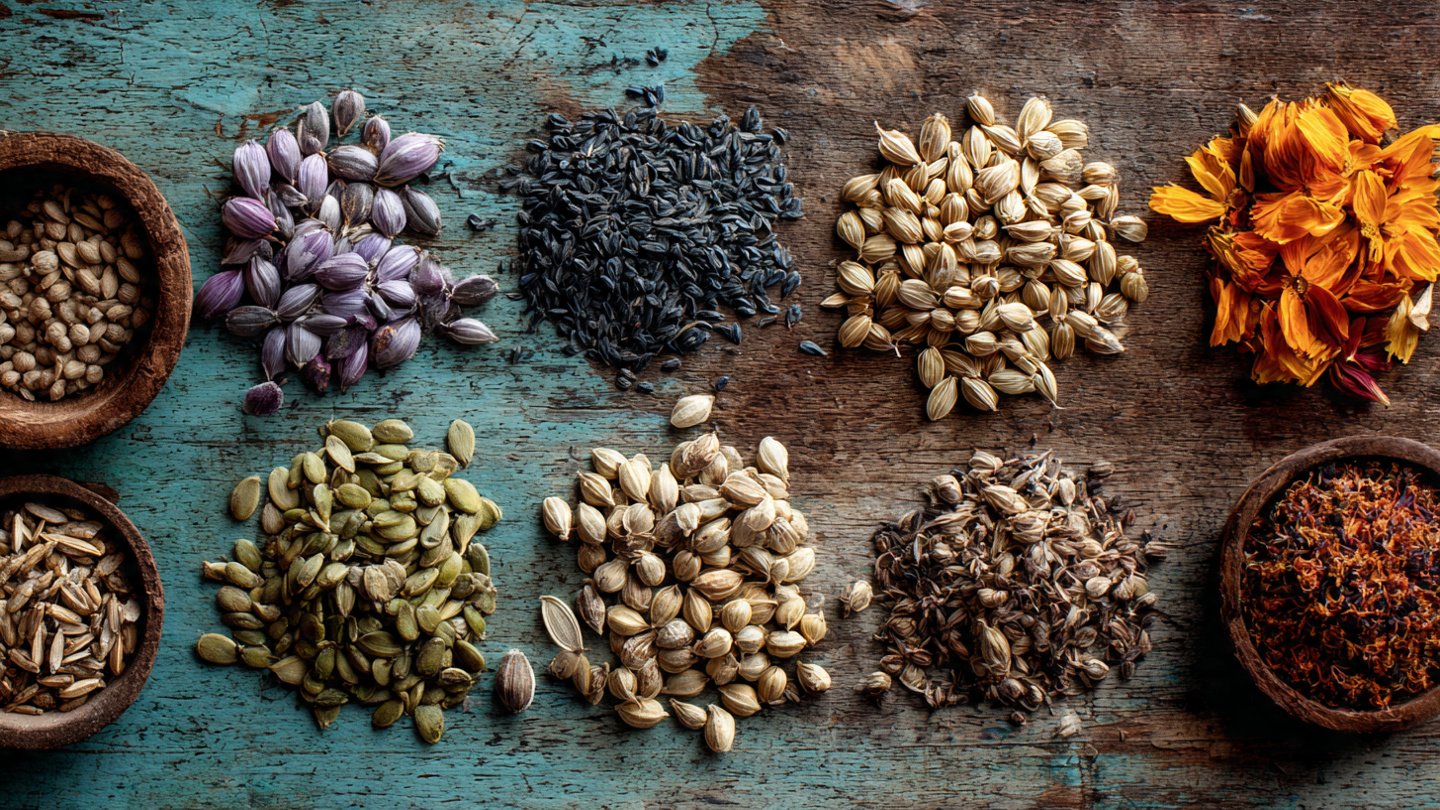
Saving seeds from your garden is one of the most rewarding ways to maintain self-sufficiency, preserve plant varieties, and improve your gardening skills over time. While buying seeds each season is convenient, saving seeds from your own plants allows you to select the strongest, healthiest specimens, adapt crops to your local climate, and even experiment with new varieties through selective breeding. With a few expert techniques and careful attention to detail, you can save seeds like a pro and create a thriving, sustainable garden year after year.
In this comprehensive guide, we’ll explore everything from seed selection and collection to cleaning, drying, and storage, as well as tips for maintaining genetic diversity and avoiding common mistakes.
Why Save Seeds From Your Garden?
Before diving into the “how,” it’s worth understanding why seed saving is so valuable:
- Cost Savings: Buying seeds every year can add up. By saving seeds, you reduce expenses while maintaining your favorite varieties.
- Adaptation: Seeds saved from plants that thrive in your garden naturally adapt to your climate, soil, and local pests over generations.
- Preservation: Heirloom and rare varieties can be preserved and passed down, ensuring genetic diversity in your garden.
- Selective Breeding: You can choose seeds from plants with desirable traits—larger fruit, disease resistance, or higher yield—allowing you to improve your garden crops over time.
- Sustainability: Seed saving reduces dependence on commercial seed production and supports biodiversity.
Saving seeds isn’t just practical; it’s a skill that deepens your connection to your garden and empowers you as a gardener.
Step 1: Choose the Right Plants
Not all plants are ideal for seed saving. To save seeds successfully, start by selecting healthy, vigorous plants with desirable traits. Consider the following:
- Heirloom Varieties: Heirloom plants are open-pollinated, meaning their seeds will grow true to the parent plant. Hybrid seeds, on the other hand, may not reproduce reliably.
- Disease-Free Plants: Avoid saving seeds from plants with fungal infections, pests, or weak growth. Selecting healthy plants ensures stronger offspring.
- Mature Plants: Only collect seeds from fully matured fruits, flowers, or pods. Immature seeds may not germinate properly.
Popular vegetables and herbs for seed saving include tomatoes, beans, peas, peppers, lettuce, basil, and cucumbers. Flowers such as marigolds, zinnias, and cosmos are also excellent choices.
Step 2: Understand Seed Types
Different plants produce seeds in different ways, and knowing the type of seed you’re dealing with helps determine how to collect, clean, and store them.
- Dry Seeds: Found in beans, peas, lettuce, and sunflowers. These seeds dry naturally on the plant and can be collected easily.
- Wet Seeds: Found in tomatoes, cucumbers, and peppers. These seeds are enclosed in a gelatinous coating and require cleaning before drying.
- Capsule Seeds: Flowers like poppies and nasturtiums store seeds in capsules or pods that split open when mature.
- Composite Seeds: Seeds like carrots, dill, and fennel are small and collected from umbels or clusters.
Understanding seed type ensures proper processing techniques and improves germination rates.
Step 3: Collect Seeds at the Right Time
Timing is critical when saving seeds:
- Vegetable Seeds: Wait until the fruit is fully ripe or the pods have dried naturally on the plant. For example, beans and peas should be brown and dry before harvesting.
- Tomato Seeds: Scoop seeds from fully ripe fruit; overripe fruit may ferment, which is part of the cleaning process.
- Flower Seeds: Harvest after petals have faded and seed heads are fully formed. Seed heads often change color (brown or gray) when ready.
Collecting seeds too early can result in immature seeds that fail to germinate, while waiting too long may cause seeds to fall or be eaten by wildlife.
Step 4: Properly Clean Seeds
Cleaning seeds is essential for long-term storage and preventing disease:
- Dry Seeds: Shell beans, peas, and sunflowers, then remove debris.
- Wet Seeds: Tomatoes, peppers, and cucumbers require fermentation. Scoop seeds into a jar, add a small amount of water, and let them sit for 2–4 days. Stir daily until a layer of mold forms on top, then rinse thoroughly and dry.
- Flower Seeds: Shake or rub seed heads over a bowl, then separate chaff from seeds using a fine sieve or by gently blowing away lightweight debris.
Proper cleaning reduces the risk of mold and ensures your seeds remain viable for years.
Step 5: Dry Seeds Thoroughly
Moisture is the enemy of seed longevity. Seeds must be dried completely before storage:
- Spread seeds on a paper towel, screen, or plate in a single layer.
- Place in a cool, dry, well-ventilated area away from direct sunlight.
- Allow seeds to dry for 1–2 weeks, depending on size and moisture content.
- Test dryness: Seeds should snap or break easily, not bend.
Never use a hot oven or microwave to dry seeds—high heat can destroy their viability.
Step 6: Store Seeds Correctly
Correct storage extends seed life and ensures healthy germination:
- Containers: Use airtight containers such as glass jars, envelopes, or seed packets. Avoid plastic bags that trap moisture.
- Labeling: Always label seeds with the plant variety and date of collection.
- Cool, Dark, Dry Conditions: Store seeds in a pantry, basement, or refrigerator. Ideal temperatures are 32–41°F (0–5°C).
- Longevity: Most seeds last 1–5 years, though some, like tomatoes, can last up to 10 years. Check germination rates periodically.
Proper storage maintains the seeds’ viability and gives you reliable crops in future seasons.
Step 7: Maintain Genetic Diversity
When saving seeds, consider genetic diversity to avoid inbreeding and weaker plants:
- Multiple Plants: Collect seeds from several plants of the same variety to maintain genetic variation.
- Isolate Varieties: If saving seeds from cross-pollinating crops (corn, squash, peppers), isolate plants to prevent unwanted cross-pollination. Use physical barriers, timing, or distance to ensure true-to-type seeds.
- Rotate Sources: Periodically introduce new seeds to maintain plant health and vigor.
Preserving diversity ensures your garden remains resilient and productive over multiple seasons.
Step 8: Keep Records
Professional gardeners maintain meticulous records:
- Note the plant variety, year of seed collection, parent plant characteristics, and storage location.
- Record germination rates when you plant saved seeds in future seasons.
- Keep a simple notebook or digital spreadsheet for easy reference.
Tracking your seed-saving journey helps improve selection strategies, maximize yields, and avoid repeating mistakes.
Step 9: Common Seed Saving Mistakes to Avoid
- Collecting Immature Seeds: Leads to poor germination and weak seedlings.
- Neglecting Cleaning: Mold and debris can ruin seeds in storage.
- Improper Drying: Seeds that are too wet may rot, while over-drying can damage some delicate seeds.
- Ignoring Cross-Pollination: Leads to hybridized plants that may not produce desired traits.
- Poor Storage Conditions: Heat, light, and moisture drastically reduce seed viability.
Avoiding these pitfalls helps you save seeds successfully, year after year.
Step 10: Benefits of Saving Seeds Like a Pro
Saving seeds professionally offers several long-term advantages:
- Stronger Plants: Selecting the best performers produces more vigorous crops over generations.
- Sustainability: Reduces reliance on purchased seeds and promotes self-sufficient gardening.
- Variety Preservation: Helps protect heirloom varieties from disappearing.
- Experimentation: Allows gardeners to develop unique varieties tailored to their climate and soil.
Mastering seed saving transforms you from a casual gardener into a skilled cultivator, capable of producing high-quality crops sustainably.
Conclusion
Saving seeds from your garden isn’t just about preserving plants—it’s about empowering yourself as a gardener, improving your crops, and maintaining biodiversity. By selecting healthy plants, collecting seeds at the right time, cleaning and drying them properly, and storing them under optimal conditions, you can save seeds like a pro. Maintaining genetic diversity, keeping records, and avoiding common mistakes further ensures your seeds remain viable and your garden thrives year after year.
With practice, patience, and attention to detail, seed saving becomes a rewarding, sustainable gardening habit. By turning your garden into a self-sustaining ecosystem, you gain control over your plants’ genetics, ensure reliable harvests, and preserve the heirloom varieties you love for future generations.
The next time your garden produces healthy fruits, vegetables, or flowers, remember: a simple seed holds the potential for years of thriving plants. With these pro tips, you can unlock that potential and take your gardening to the next level.