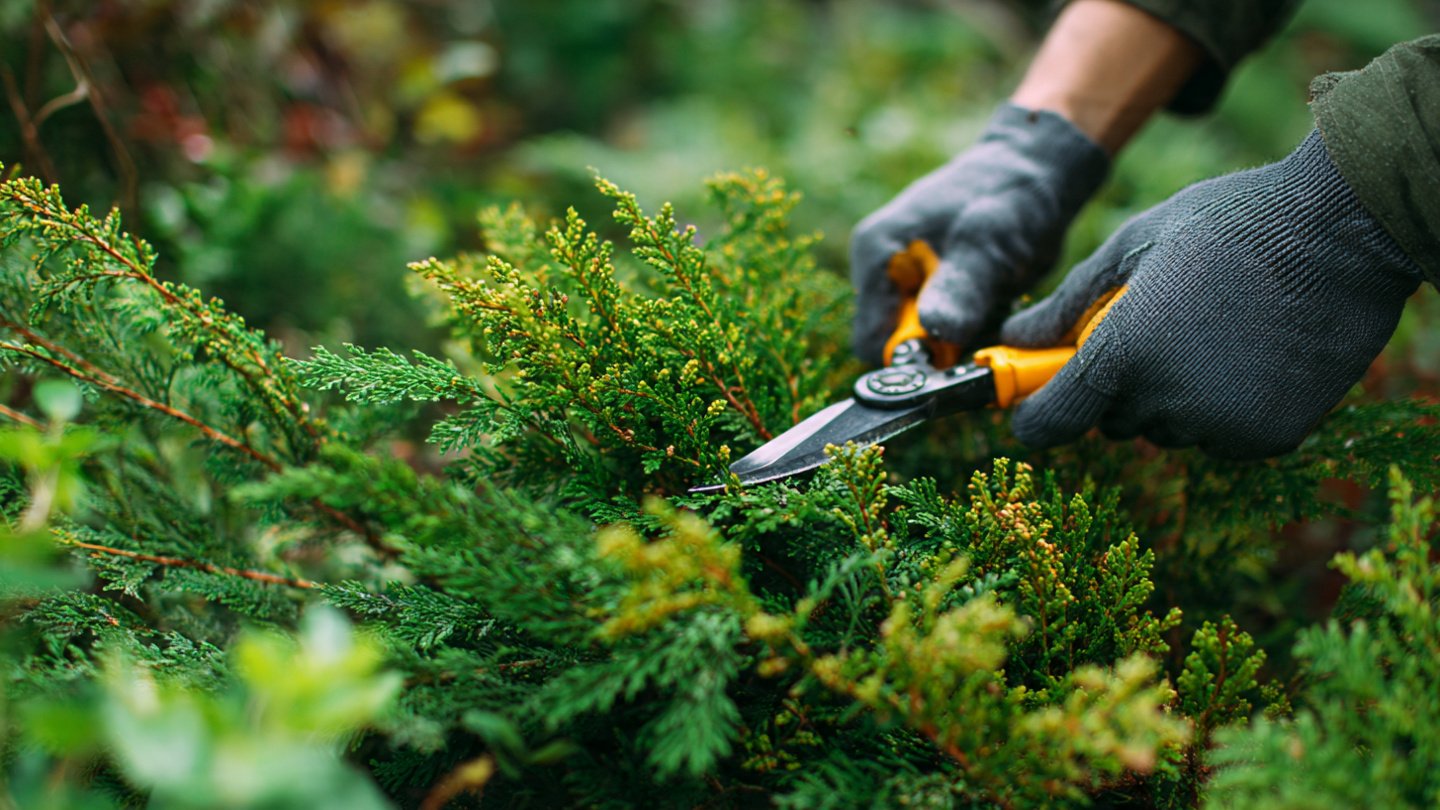
Pruning is one of the most important techniques in gardening, yet many gardeners—both beginners and experienced—often overlook its significance. Proper pruning not only maintains the health and aesthetics of your plants but also encourages fuller, bushier growth, more blooms, and stronger stems. By understanding the principles of pruning and applying the correct techniques, you can transform leggy, sparse plants into vibrant, thriving specimens. In this article, we’ll explore how you can prune your plants for fuller growth and achieve a lush, healthy garden.
Understanding the Purpose of Pruning
Before learning how to prune, it’s important to understand why pruning matters:
- Encourages New Growth: Pruning stimulates dormant buds to produce fresh shoots, leading to denser foliage.
- Maintains Plant Shape: Regular pruning keeps plants looking neat, balanced, and aesthetically pleasing.
- Removes Dead or Diseased Parts: Cutting away damaged or unhealthy stems prevents the spread of disease and improves plant health.
- Improves Air Circulation and Light Penetration: Proper pruning reduces overcrowding, allowing sunlight and air to reach all parts of the plant, reducing fungal and pest issues.
- Boosts Flower and Fruit Production: Many flowering and fruiting plants respond to pruning with increased blooms and higher yields.
By knowing the benefits, you can approach pruning not as a chore, but as a strategic tool for better plant health and growth.
When to Prune Your Plants
Timing is critical in pruning. Pruning at the wrong time can damage plants or reduce flowering and fruiting. Here’s a general guide:
- Spring-Flowering Plants: Prune immediately after flowering to avoid cutting off next season’s buds. Examples: lilacs, azaleas, and forsythias.
- Summer-Flowering Plants: Prune in late winter or early spring before new growth starts. Examples: roses, hibiscus, and butterfly bush.
- Evergreen Plants: Light pruning can be done throughout the growing season, but heavy pruning is best in late winter.
- Vegetables and Herbs: Regular pruning and pinching encourage bushier growth and higher yields. Examples: basil, tomato, and mint.
Monitoring your plants and understanding their growth cycle ensures that pruning has the maximum positive effect on their health and appearance.
Tools You’ll Need for Effective Pruning
Using the right tools makes pruning easier, cleaner, and safer for your plants:
- Pruning Shears: Ideal for small stems and branches up to ¾ inch thick. Choose sharp, clean shears for precise cuts.
- Loppers: Long-handled tools designed for thicker branches up to 2 inches in diameter.
- Pruning Saw: Used for large branches that cannot be cut with loppers.
- Gloves: Protect your hands from thorns, sap, and rough stems.
- Disinfectant: Sterilize tools with alcohol or a bleach solution to prevent the spread of disease.
Having the proper tools ensures clean cuts, which heal faster and minimize plant stress.
Pruning Techniques for Fuller Growth
To achieve fuller growth, it’s important to know the correct pruning techniques. Here are the most effective methods:
1. Pinching or Tipping
- What it is: Removing the growing tip of a stem by pinching with fingers or cutting just above a leaf node.
- Why it works: Pinching stimulates lateral buds to grow, producing multiple new shoots instead of a single leggy stem.
- Best for: Herbs, annual flowers, and young shrubs. Examples: basil, coleus, and marigold.
2. Heading Cuts
- What it is: Cutting a branch or stem back to a bud or lateral branch.
- Why it works: Encourages the plant to produce more branches from below the cut, resulting in a bushier form.
- Best for: Roses, hydrangeas, and shrubs that need shaping.
3. Thinning Cuts
- What it is: Removing an entire branch or stem at its point of origin.
- Why it works: Reduces overcrowding, allowing light and air to reach the inner parts of the plant. This stimulates healthy growth while maintaining natural shape.
- Best for: Fruit trees, dense shrubs, and perennials.
4. Deadheading
- What it is: Removing faded or spent flowers before they produce seeds.
- Why it works: Redirects energy from seed production into new flower and leaf growth, encouraging continuous blooming.
- Best for: Annuals, perennials, and flowering shrubs like petunias, marigolds, and roses.
Pruning Tips for Specific Plants
1. Houseplants
- Regularly trim long, leggy stems to encourage compact, bushy growth.
- Use pinching for plants like pothos, philodendron, and spider plants to promote fuller foliage.
2. Vegetables
- Tomatoes: Pinch suckers that grow between the main stem and branches to focus energy on fruit development.
- Herbs: Pinch basil and oregano frequently to encourage multiple stems and prevent flowering, which can make leaves bitter.
3. Shrubs and Trees
- Remove dead, damaged, or diseased branches first.
- Make heading cuts to encourage lateral growth and maintain a natural shape.
- Thinning cuts help reduce overcrowding in the canopy, allowing more sunlight for interior branches.
Common Mistakes to Avoid
Even experienced gardeners can make mistakes while pruning. Avoid these pitfalls to ensure your plants grow fuller:
- Over-Pruning: Removing too much foliage at once can stress the plant and reduce its energy reserves.
- Pruning at the Wrong Time: Cutting flowering shrubs at the wrong time may reduce blooms for the season.
- Using Dull Tools: Dull blades tear stems instead of cutting cleanly, making plants prone to disease.
- Ignoring Plant Structure: Random pruning can ruin the natural shape of the plant and lead to leggy growth.
- Neglecting Cleanup: Leaving cuttings near the plant can harbor pests and disease. Always dispose of them properly.
Encouraging Continuous Full Growth
Pruning is not a one-time task; it’s an ongoing process that encourages fuller, healthier plants over time. Here’s how to maintain robust growth:
- Regular Monitoring: Check plants weekly for leggy growth, dead stems, or crowded areas.
- Sequential Pruning: Perform light pruning throughout the growing season rather than one drastic cut.
- Feed After Pruning: Apply organic fertilizers or compost to provide energy for new growth.
- Water Consistently: Healthy growth requires consistent moisture. Water appropriately based on plant type.
By combining proper pruning with balanced nutrition and care, you can maximize foliage density, improve flower and fruit production, and create visually stunning plants.
Benefits of Pruning for Fuller Growth
Pruning is more than just aesthetic—it has several tangible benefits:
- Bushier Plants: Encourages lateral branching, resulting in fuller, more attractive plants.
- Increased Flowering: Proper pruning leads to more blooms and extended flowering periods.
- Healthier Plants: Removes dead or diseased parts, improving overall plant health.
- Pest Management: Better air circulation reduces the likelihood of fungal infections and pests.
- Space Optimization: Dense plants take up less space in your garden while maximizing growth potential.
Conclusion
Pruning is a powerful tool for gardeners who want fuller, healthier, and more vibrant plants. By understanding your plants’ growth patterns, using the correct techniques, and timing your cuts properly, you can transform leggy or sparse plants into lush, thriving specimens. Whether you are growing houseplants, flowering shrubs, herbs, or vegetables, regular pruning encourages lateral growth, improves air circulation, boosts flowering, and enhances the overall aesthetic of your garden.
Remember: proper pruning is about strategy, not just cutting. Using techniques like pinching, heading, thinning, and deadheading, while avoiding common mistakes, will ensure your plants thrive throughout the growing season. Coupled with consistent care—adequate water, nutrients, and sunlight—pruning becomes a key practice for gardeners looking to maximize growth, beauty, and yield.
So grab your pruning shears, learn your plants’ habits, and start cutting strategically. With a little patience and care, your garden will flourish with full, dense, and healthy plants that are the envy of every gardener.