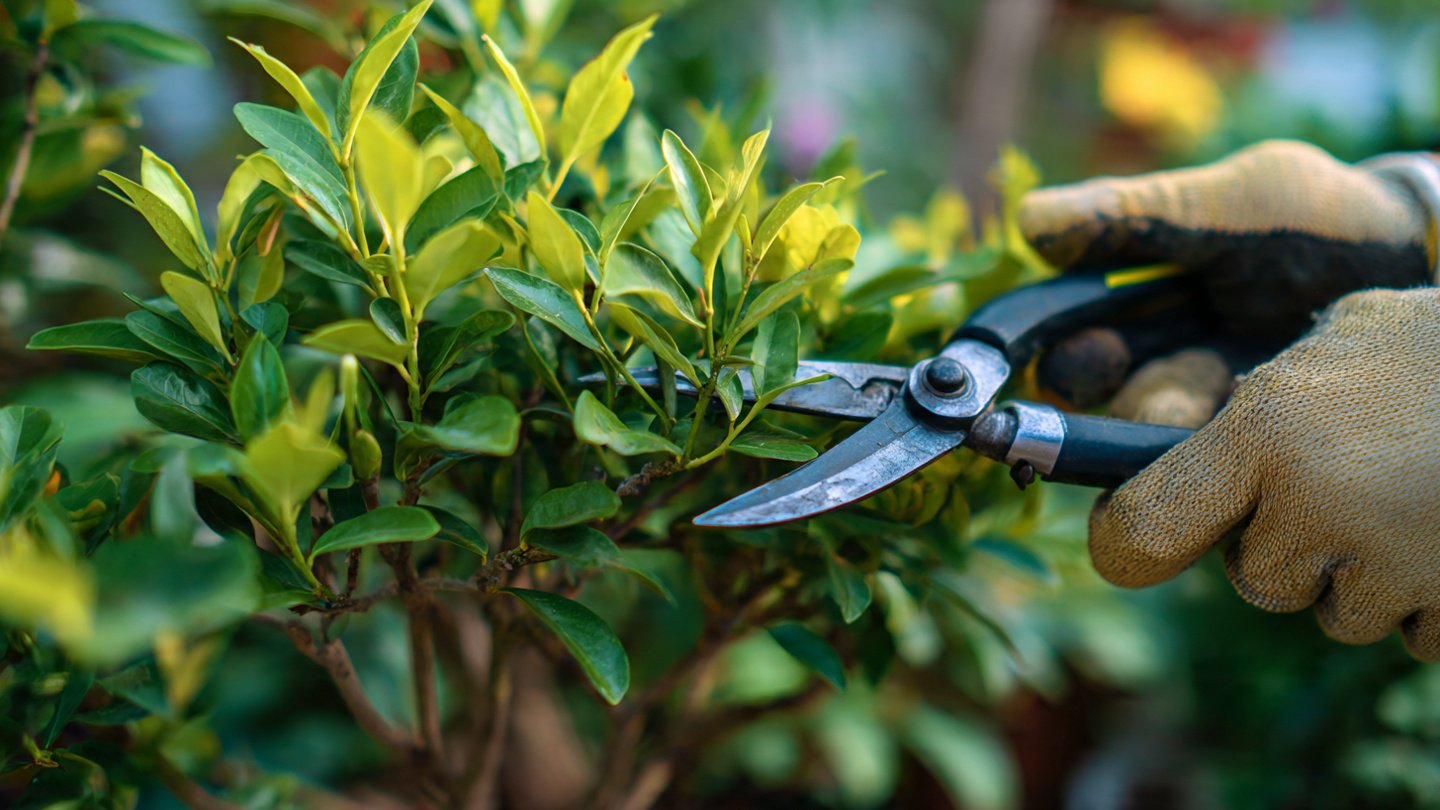
Pruning often sounds intimidating, especially for new gardeners. Cutting back healthy-looking stems can feel counterintuitive—after all, isn’t the goal to help plants grow, not remove parts of them? Yet pruning is one of the most powerful tools you have for encouraging fuller, healthier, and more attractive plants. When done correctly, pruning doesn’t weaken plants; it energizes them.
By understanding how and when to prune, you can transform leggy, sparse plants into lush, bushy specimens that produce more leaves, flowers, and fruit. Whether you’re growing houseplants, ornamental shrubs, or vegetables, pruning plays a key role in shaping strong, balanced growth.
What Is Pruning and Why Does It Matter?
Pruning is the selective removal of certain parts of a plant—such as stems, branches, leaves, or buds—to improve its structure, health, and productivity. Plants naturally focus energy on their tallest or strongest growing points. Without pruning, this often leads to long, thin stems and uneven growth.
When you prune strategically, you redirect the plant’s energy. Instead of growing upward in a single direction, the plant responds by producing new side shoots and branches. This results in fuller growth, better air circulation, and improved overall health.
Pruning also helps remove damaged, diseased, or dead plant material, reducing the risk of pests and infections.
Understanding How Plants Respond to Pruning
Plants grow from nodes—small points on the stem where leaves and branches emerge. At the tip of each stem is the apical bud, which produces hormones that suppress growth in lower buds. This is why many plants grow tall rather than wide.
When you prune off the tip of a stem, you remove this dominance. The plant responds by activating dormant buds below the cut, producing multiple new shoots. This natural response is what makes pruning such an effective technique for encouraging bushier growth.
Types of Pruning for Fuller Plants
Not all pruning is the same. Different methods serve different purposes, and understanding these helps you choose the right approach.
Pinching
Pinching is a gentle form of pruning that involves removing the soft tips of young growth with your fingers. This technique is ideal for herbs, annual flowers, and houseplants. Pinching encourages early branching and prevents plants from becoming leggy.
Thinning
Thinning involves removing entire stems or branches at their base. This method improves airflow and light penetration, helping remaining growth become stronger and healthier. Thinning is especially useful for shrubs and dense plants.
Heading Back
Heading back means cutting stems to a specific length or node. This stimulates branching at the cut point and is commonly used on flowering plants and ornamental shrubs.
Deadheading
Deadheading is the removal of spent flowers. While it doesn’t always affect plant fullness directly, it redirects energy from seed production into new growth and additional blooms.
When Is the Best Time to Prune?
Timing is crucial for successful pruning. Pruning at the wrong time can stress plants or reduce flowering.
For most plants, the best time to prune for fuller growth is during the active growing season. This allows plants to recover quickly and produce new shoots.
- Spring: Ideal for shaping shrubs, perennials, and early-season plants
- Summer: Best for pinching and light pruning to maintain shape
- Fall: Generally limited to removing dead or damaged growth
- Winter: Suitable for pruning dormant trees and shrubs
Always research the specific needs of your plant, especially flowering varieties that bloom on old or new wood.
Tools You Need for Effective Pruning
Using the right tools makes pruning easier and prevents damage to plants.
- Hand pruners: Perfect for small stems and houseplants
- Pruning shears: Ideal for thicker branches
- Scissors: Useful for herbs and delicate plants
- Gloves: Protect hands and improve grip
Make sure tools are sharp and clean. Dull blades crush stems instead of making clean cuts, slowing healing and increasing disease risk.
How to Make Proper Pruning Cuts
Where and how you cut matters just as much as what you cut.
Always cut just above a leaf node or bud, leaving about a quarter-inch of stem. Cutting too close can damage the bud, while cutting too far leaves a stub that may rot.
Angle your cut slightly away from the bud to prevent water from collecting on the cut surface. Clean cuts heal faster and encourage healthy regrowth.
Pruning Different Types of Plants
Houseplants
Many houseplants benefit from regular pruning. Plants like pothos, philodendron, and ficus respond well to trimming, becoming bushier and more compact. Prune leggy stems and remove yellowing leaves to maintain fullness.
Herbs
Herbs such as basil, mint, and cilantro thrive when pruned frequently. Harvesting the top growth regularly prevents flowering and encourages leafy growth.
Flowering Plants
Annuals like petunias, marigolds, and geraniums benefit from pinching and deadheading. This leads to more blooms and a fuller appearance.
Shrubs and Bushes
Shrubs require more structured pruning. Removing older branches encourages new growth from the base, resulting in a denser plant over time.
Vegetables
Pruning vegetables like tomatoes and peppers improves airflow and directs energy into productive growth. Removing suckers and excess foliage can result in healthier plants and better yields.
Common Pruning Mistakes to Avoid
Even though pruning is beneficial, mistakes can slow progress.
- Over-pruning: Removing too much at once stresses plants
- Pruning at the wrong time: Can reduce flowering or growth
- Using dirty tools: Spreads disease
- Ignoring plant type: Not all plants respond the same way
A good rule of thumb is to remove no more than one-third of a plant at a time.
Signs Your Plant Needs Pruning
Plants often signal when pruning is needed.
- Long, thin, leggy stems
- Sparse foliage near the base
- Uneven or lopsided growth
- Fewer flowers or leaves
Responding early keeps plants healthy and compact.
Encouraging Fuller Growth After Pruning
After pruning, plants benefit from supportive care. Ensure they receive adequate water, light, and nutrients to fuel new growth.
A balanced fertilizer applied lightly can help plants rebound faster. Avoid heavy feeding immediately after pruning, as this may stress the plant.
Monitor regrowth and repeat light pruning as needed to maintain shape.
Pruning as Part of Long-Term Plant Care
Pruning is not a one-time task—it’s an ongoing practice. Regular, thoughtful pruning shapes plants over time, improving their structure and vitality.
By observing how your plants respond, you’ll learn when and how much to prune. This relationship between gardener and plant leads to better results and a deeper understanding of plant growth.
Final Thoughts
Pruning may feel like an act of removal, but in reality, it’s an investment in your plant’s future. By cutting back selectively and at the right times, you encourage stronger branches, denser foliage, and more abundant blooms.
When you understand how plants grow and respond to pruning, the process becomes less intimidating and more empowering. With a little practice and patience, pruning becomes one of the most effective ways to achieve fuller, healthier, and more beautiful plants in your garden. 🌿