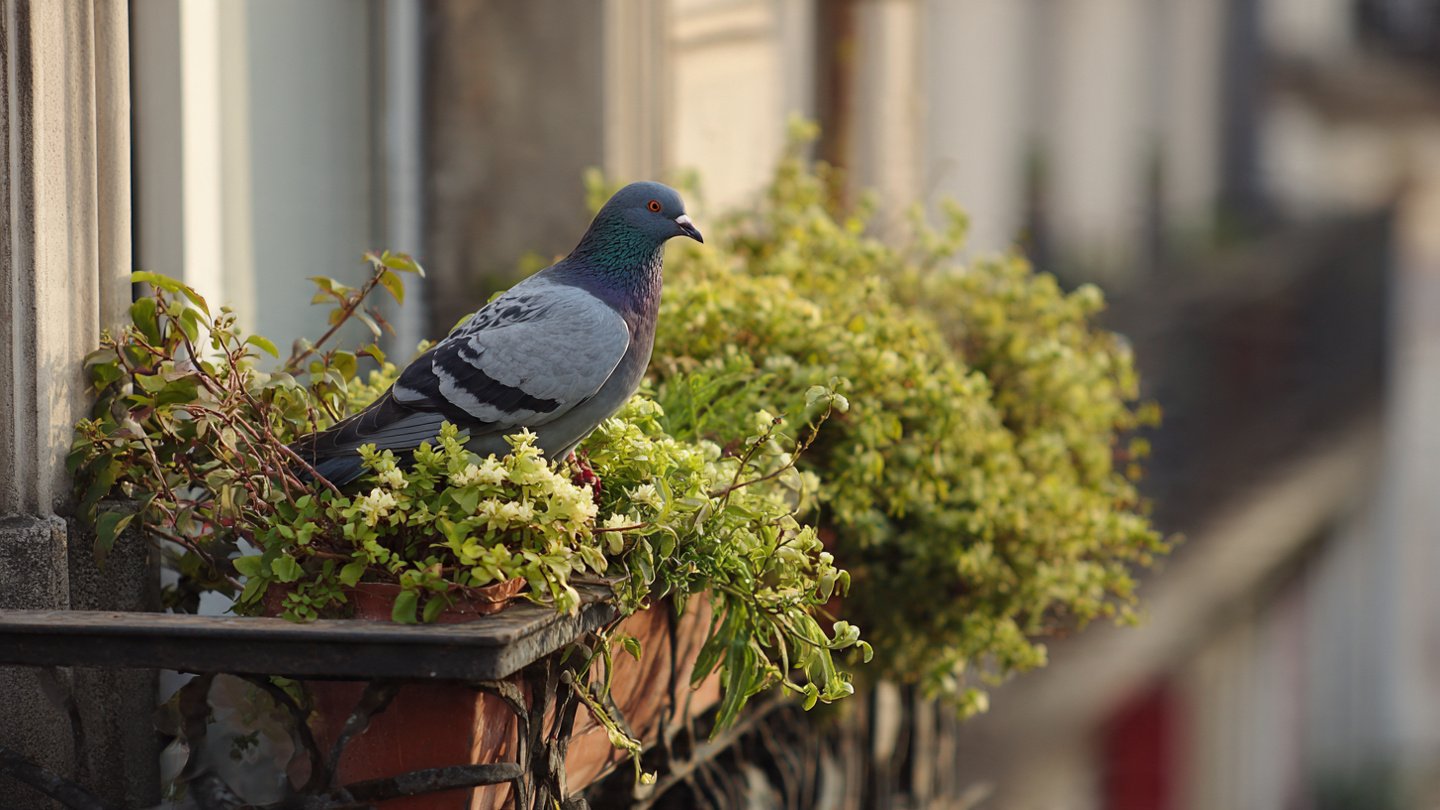
Balcony gardens bring greenery, color, and tranquility into our urban spaces. They are miniature sanctuaries amidst the concrete jungle, perfect for growing flowers, vegetables, or herbs. However, balcony gardeners often face an unwelcome visitor—pigeons. These birds can damage plants, leave droppings, and eat seeds, making it challenging to maintain a healthy garden.
The good news is that you don’t need chemicals or harsh deterrents to protect your balcony garden. With natural, eco-friendly techniques, you can keep pigeons away while preserving the beauty and safety of your plants. This guide will show you how.
Why Pigeons Are a Problem in Balcony Gardens
Pigeons are opportunistic feeders and are attracted to seeds, fruits, and soft soil. They can:
- Eat seeds and seedlings, disrupting germination.
- Damage plants by scratching soil or pecking leaves.
- Leave droppings, which can carry bacteria and fungi harmful to plants.
- Create noise and mess, reducing the enjoyment of your garden.
Understanding their behavior is the first step toward effective natural prevention.
Principle 1: Make Your Balcony Less Attractive to Pigeons
Pigeons frequent areas where food, water, or shelter is readily available. Reducing these attractants discourages them from visiting.
Tips:
- Avoid leaving uneaten seeds or food scraps on your balcony.
- Clean fallen leaves or fruits that may attract pigeons.
- Ensure water sources are not stagnant; remove puddles or covered containers.
- Keep the balcony tidy—pigeons prefer cluttered spaces with hiding spots.
Principle 2: Use Physical Barriers
Physical barriers are highly effective and safe for both plants and birds.
1. Netting
- Install fine mesh netting over your plants or around the balcony railing.
- Prevents pigeons from landing while allowing sunlight and rain to reach plants.
2. Spikes or Pointed Strips
- Soft, plastic spikes on railing tops deter pigeons from perching.
- They are safe and don’t harm the birds, just discourage landing.
3. Balcony Covers or Screens
- Temporary screens can protect seedlings from pigeons.
- They also protect delicate flowers from wind and dust.
Principle 3: Scare Them Away Naturally
Pigeons are wary of unfamiliar objects, movement, and reflections.
Natural Scare Techniques:
- Reflective Surfaces
- Hang CDs, aluminum foil strips, or mirrors around the balcony.
- Shimmering reflections confuse and scare pigeons.
- Wind Chimes
- Movement and sound from wind chimes deter birds without chemicals.
- Decoy Predators
- Place plastic owls or hawks in corners.
- Move them occasionally; pigeons are smart and may ignore stationary decoys.
- Motion Deterrents
- Small fans or swinging objects near plants can startle pigeons.
Principle 4: Plant Pigeon-Repelling Plants
Certain plants naturally discourage pigeons due to scent or texture.
Examples:
- Lavender – Strong scent deters pigeons and adds fragrance.
- Rosemary – Woody stems and aromatic leaves discourage landing.
- Marigold – Bright flowers and bitter scent repel many birds.
- Peppermint or Basil – Strong aroma keeps pigeons away.
Tips:
- Arrange these plants around the balcony edges.
- Intermix with edible plants to protect your vegetables and herbs.
Principle 5: Use Homemade Natural Repellents
You can create safe repellents from ingredients available at home.
1. Garlic Spray
- Crush garlic cloves, mix with water, and spray around plants.
- Pigeons dislike the strong odor but it is harmless to plants.
2. Chili or Pepper Spray
- Mix chili powder with water and a few drops of soap.
- Spray lightly on soil or leaves (avoid direct contact with edible leaves).
3. Vinegar or Citrus Peels
- Place citrus peels around plants; pigeons dislike the smell.
- Vinegar-soaked cotton balls in corners also work as deterrents.
Safety Tips:
- Avoid harsh chemicals or commercial bird repellents in balcony vegetable gardens, as they can contaminate edible plants.
- Reapply natural sprays regularly, especially after watering or rain.
Principle 6: Cover Soil and Seeds
Pigeons love soft soil for pecking and foraging. Protecting soil reduces their interest.
Tips:
- Use mulch, pebbles, or decorative stones over the soil surface.
- Cover seed trays with a fine mesh or cloche until seedlings sprout.
- Avoid leaving bare soil exposed; pigeons are less likely to land on rough or covered surfaces.
Principle 7: Train Pigeons Gradually
Pigeons can learn patterns and may revisit familiar food sources. You can discourage them gradually:
- Remove all feeding opportunities—do not feed pigeons near the balcony.
- Increase human activity near plants—pigeons avoid busy areas.
- Rotate deterrents (decoys, reflective objects, sprays) to prevent pigeons from getting used to them.
Consistency is key—pigeons adapt quickly if deterrents are inconsistent.
Principle 8: Encourage Beneficial Wildlife
Certain birds, like sparrows or finches, are natural competitors to pigeons. Attracting smaller birds with feeders or water sources can naturally discourage pigeons from frequenting your balcony.
Tips:
- Place a small birdbath or feeder away from your main garden plants.
- Use bird-friendly plants that attract smaller birds but not pigeons.
- Avoid attracting rodents by keeping seeds in secure feeders.
Benefits of Natural Pigeon Deterrents
Using natural methods to keep pigeons away provides several advantages:
- Safe for plants and humans – No harmful chemicals on edible plants.
- Eco-friendly – Protects urban wildlife and the environment.
- Low-cost and simple – Most methods use materials already available at home.
- Maintains garden aesthetics – Plants remain healthy, and your balcony looks pleasant.
- Long-term effectiveness – Pigeons gradually learn to avoid your balcony when multiple deterrents are used together.
Common Mistakes to Avoid
- Relying on one method alone – Combining multiple strategies is more effective.
- Ignoring seedling protection – Young plants are most vulnerable.
- Using chemicals – Harsh repellents can harm plants and contaminate vegetables.
- Leaving food scraps – Pigeons quickly adapt if food is available.
- Not maintaining deterrents – Reflective surfaces, sprays, and decoys need periodic replacement or repositioning.
Final Thoughts
A thriving balcony garden doesn’t have to be a pigeon buffet. By using natural, eco-friendly techniques, you can protect your plants while keeping the urban wildlife safe and unharmed. From physical barriers and scare tactics to pigeon-repelling plants and homemade sprays, there are numerous ways to deter these birds without resorting to harsh chemicals.
The key is consistency and variety. Combine several strategies: cover your soil, plant deterrent herbs, use reflective objects, and apply safe sprays when needed. Gradually, pigeons will learn that your balcony is not an inviting spot, leaving you to enjoy a lush, colorful, and healthy garden without interruptions.
With patience and persistence, your balcony can flourish into a pigeon-free paradise, allowing you to enjoy the full beauty of your garden, fresh herbs, and vibrant flowers—all naturally and safely.