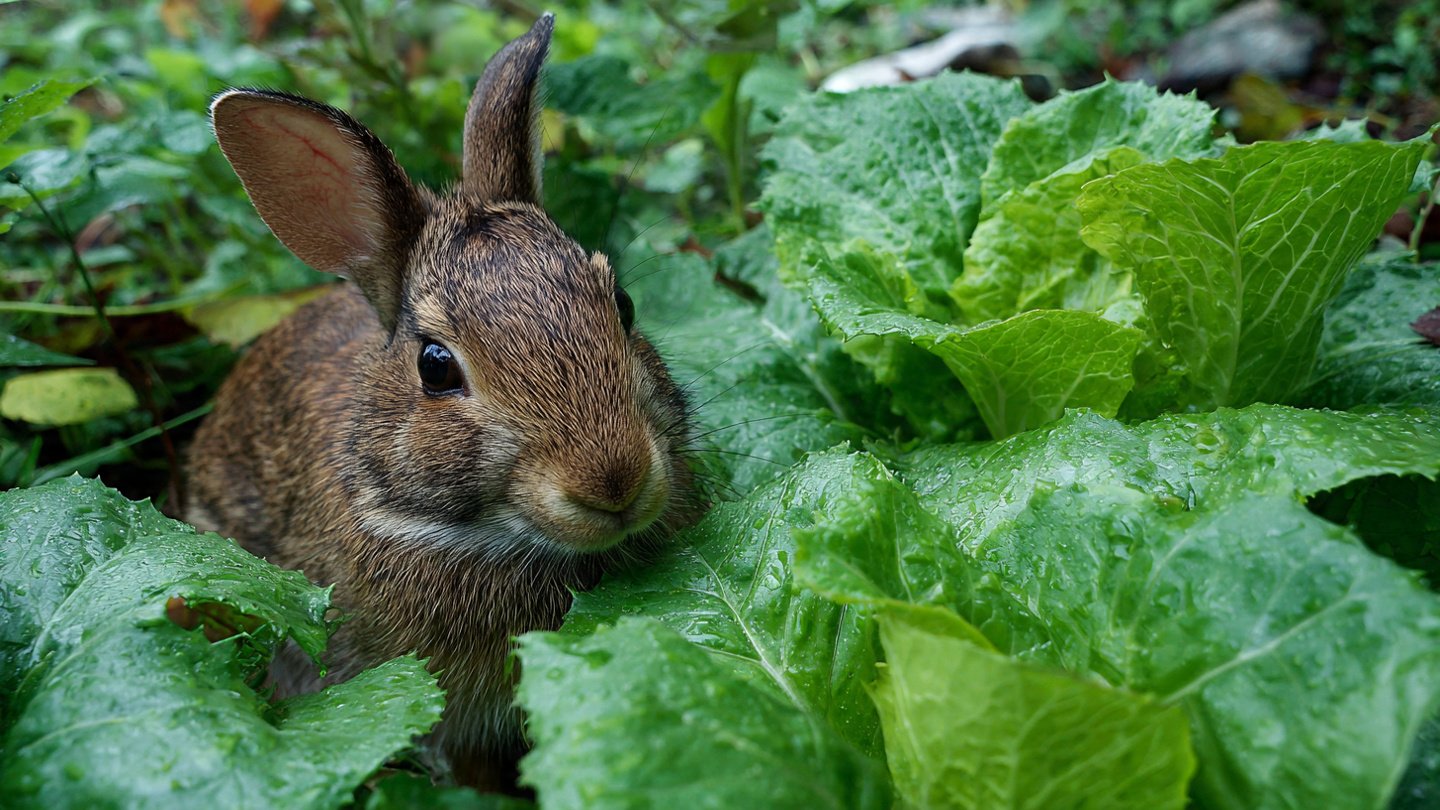
Few gardening frustrations are as discouraging as stepping outside in the morning to find your beautiful lettuce patch chewed down to stubs overnight. Rabbits are adorable—but when they discover tender lettuce leaves, they can destroy weeks of hard work in a single visit. Many gardeners try sprays, repellents, or scare tactics, only to find that rabbits quickly return.
The good news? You can keep rabbits out of your lettuce for good with one simple, proven trick—and it doesn’t involve chemicals, constant reapplication, or harming wildlife.
That trick is creating a low, physical barrier using fine mesh or hardware cloth. It’s surprisingly simple, incredibly effective, and works long-term when done correctly.
This article explains why rabbits target lettuce, why most methods fail, and how one simple barrier trick solves the problem permanently—plus tips to make it even more effective.
Why Rabbits Love Lettuce So Much
Understanding rabbit behavior helps explain why lettuce is such a common target.
Rabbits are drawn to lettuce because it is:
- Tender and soft (easy to chew)
- Moist and nutrient-rich
- Low-growing, making it easily accessible
- Often planted in open garden beds
Unlike deer, rabbits don’t need to reach or climb. They simply hop in, feed quickly, and leave—usually at dawn or dusk.
Once a rabbit discovers a reliable food source, it will return again and again, often bringing others with it.
Why Most Rabbit-Deterrent Methods Fail
Many gardeners try common solutions that sound good but rarely work long-term.
1. Smell-Based Repellents
Garlic sprays, chili sprays, soap shavings, and commercial repellents:
- Wash away in rain
- Lose effectiveness quickly
- Rabbits eventually ignore them
2. Noise or Scare Devices
Wind spinners, fake owls, and motion lights:
- Rabbits quickly adapt
- They learn there’s no real danger
3. Planting “Rabbit-Resistant” Plants Nearby
This may help slightly, but:
- Lettuce is still more appealing
- Hungry rabbits ignore resistant plants
4. Fencing the Entire Garden
Tall fencing works—but:
- It’s expensive
- Overkill for small lettuce beds
- Often poorly sealed at ground level, allowing rabbits underneath
The problem with most methods is that they rely on fear or discomfort, not prevention.
The One Simple Trick That Works: A Low Mesh Barrier
The most reliable way to keep rabbits out of lettuce—for good—is a low, tightly secured physical barrier placed directly over or around the lettuce bed.
Rabbits are excellent jumpers, but they are lazy and cautious. If they can’t easily reach the lettuce, they move on.
Why This Trick Is So Effective
- Rabbits cannot chew through metal mesh
- They won’t dig under a well-secured barrier
- No smells to fade
- No reapplication needed
- Works day and night, rain or shine
This method doesn’t scare rabbits—it simply removes access, which is the only permanent solution.
What You’ll Need (Simple and Inexpensive)
You can set this up in under 30 minutes.
Materials:
- Hardware cloth or wire mesh (½-inch openings work best)
- OR fine garden netting (for lighter setups)
- Garden stakes, U-pins, or bricks
- Wire cutters (if using hardware cloth)
That’s it. No sprays. No gadgets. No chemicals.
How to Set Up the Barrier (Step by Step)
Option 1: Mesh Dome (Best for Small Lettuce Beds)
This is the most effective setup.
- Cut a piece of hardware cloth large enough to cover your lettuce bed.
- Gently bend it into a low dome or tunnel shape.
- Place it directly over the lettuce.
- Secure the edges firmly to the ground using:
- Garden stakes
- Landscape pins
- Heavy stones or bricks
Make sure there are no gaps at ground level. Rabbits can squeeze through surprisingly small spaces.
Option 2: Low Perimeter Fence (For Larger Beds)
- Cut mesh about 18–24 inches high
- Surround the lettuce bed completely
- Push the bottom edge 2–3 inches into the soil
- Secure with stakes every 1–2 feet
Rabbits rarely jump fences if they can’t see a clear landing spot inside.
Why Height Doesn’t Matter as Much as You Think
Many gardeners assume they need tall fencing. In reality:
- Rabbits avoid jumping into enclosed spaces
- A low barrier placed close to the plants feels unsafe to them
- They prefer easy, open access
A 12–18 inch barrier is often more effective than a taller, poorly sealed fence.
Why This Works Better Than Repellents
Repellents rely on:
- Smell
- Taste
- Fear
All of these fade or fail over time.
A physical barrier:
- Never loses effectiveness
- Doesn’t depend on weather
- Doesn’t require memory or maintenance
From the rabbit’s perspective, the lettuce simply becomes unreachable, so it stops trying.
Making the Barrier Look Better (Aesthetic Tips)
If you’re worried about appearance, here are easy upgrades:
- Paint hardware cloth black or green to blend in
- Use wooden stakes instead of metal
- Combine mesh with low raised beds
- Use clear garden netting for a lighter look
Many gardeners find the barrier barely noticeable once plants grow in.
Extra Tips to Make the Trick Even More Effective
While the mesh barrier alone is enough, these tips enhance success:
1. Remove Nearby Cover
Rabbits love hiding spots.
- Clear tall weeds near lettuce beds
- Trim grass around the garden
2. Harvest Outer Leaves Regularly
This keeps lettuce less bushy and less attractive.
3. Avoid Planting Lettuce Near Edges
Beds near fences or hedges are easier for rabbits to access.
What About Raised Beds?
Raised beds help—but they are not rabbit-proof on their own.
Rabbits can:
- Jump into low raised beds
- Climb using nearby objects
Adding a mesh cover to raised beds makes them completely secure.
Is This Safe and Humane?
Yes—this method is:
- 100% humane
- Non-toxic
- Non-injurious
- Wildlife-friendly
It simply redirects rabbits to other food sources without harming them.
Common Mistakes to Avoid
- Leaving small gaps at ground level
- Using chicken wire with large openings
- Not securing the mesh tightly
- Relying on netting alone in windy areas
Attention to detail makes the difference between “mostly works” and “works forever.”
Will This Work for Other Crops?
Absolutely. This same trick works for:
- Spinach
- Kale
- Swiss chard
- Young carrot tops
- Beet greens
Any low-growing, tender crop benefits from this method.
Final Thoughts
If rabbits keep eating your lettuce, the problem isn’t persistence—it’s access.
The one simple trick that works for good is a low, secure physical barrier made from mesh or hardware cloth. It’s affordable, fast to install, reusable year after year, and far more effective than sprays or scare tactics.
To recap:
- Rabbits return because lettuce is easy to reach
- Smells and scare methods fail long-term
- A low mesh barrier removes access completely
- Once blocked, rabbits stop trying
With this simple solution in place, you can finally enjoy:
- Full heads of lettuce
- Stress-free gardening
- Harvests that last until you decide to pick them
Set it up once—and enjoy rabbit-free lettuce for good. 🥬🐇