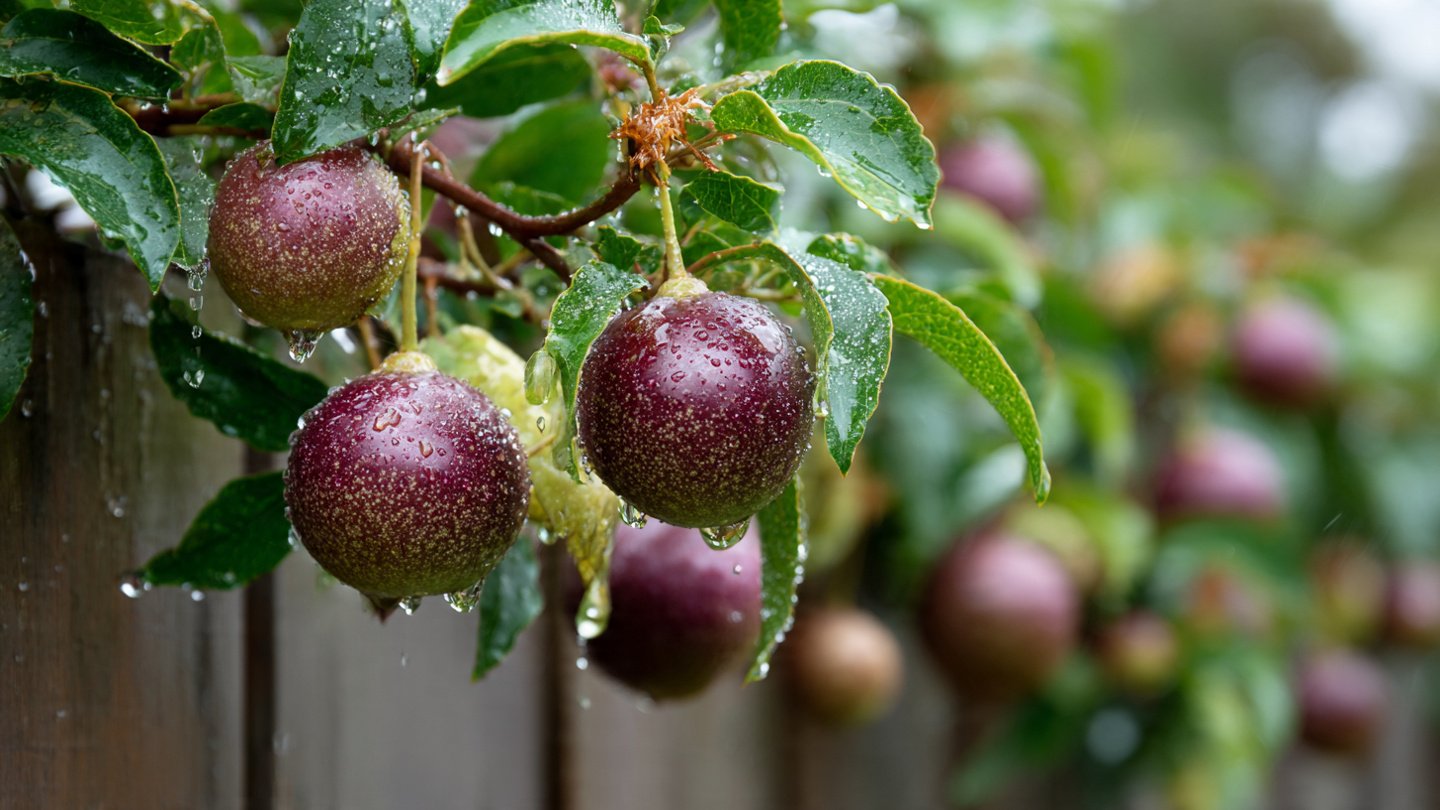
Growing exotic passion fruit (Passiflora edulis) may seem like a challenging endeavor, but it doesn’t require vast gardens or fancy trellises. In fact, a simple fence line can become a thriving, productive spot for these tropical vines. With the right care, your fence can support lush foliage, fragrant flowers, and an abundance of tangy, juicy fruit.
This guide will walk you through everything you need to know about growing passion fruit on a fence line—from selecting the right variety and preparing the soil, to pruning, feeding, and harvesting tips—so you can enjoy homegrown passion fruit even in limited spaces.
Why a Fence Line Works Perfectly for Passion Fruit
Passion fruit is a vigorous climbing vine that thrives when given vertical support. While garden trellises and arbors are common, fence lines are an underappreciated yet ideal option because they:
- Provide strong, continuous support for climbing vines
- Maximize sunlight exposure along the fence line
- Reduce garden clutter by growing upward instead of outward
- Make harvesting easy, keeping fruits within reach
Even a simple wooden, chain-link, or metal fence can serve as a natural framework for your passion fruit plants, making vertical gardening both practical and visually appealing.
Choosing the Right Passion Fruit Variety
Not all passion fruit varieties perform equally well along a fence line. Selection is key to ensure consistent growth, fruiting, and disease resistance.
Popular Varieties for Home Gardeners
- Purple Passion Fruit (Passiflora edulis var. edulis)
- Sweet-tart flavor, excellent for juices and desserts
- Vigorous vine, adapts well to fencing
- Golden Passion Fruit (Passiflora edulis f. flavicarpa)
- Larger, sweeter fruits
- More heat-tolerant, ideal for tropical or subtropical regions
- Passion Fruit Hybrids
- Often bred for higher yield and disease resistance
- May produce larger fruits in smaller spaces
For beginners, purple passion fruit is recommended due to its reliable growth and ease of care.
Preparing Your Fence Line for Planting
Proper preparation ensures your passion fruit vines thrive.
Sunlight and Position
- Choose a south-facing or sunniest side of the fence.
- Passion fruit vines need 6–8 hours of direct sunlight daily for optimal fruiting.
Soil Preparation
- Well-draining soil is essential; waterlogged soil causes root rot.
- Loosen the soil along the fence line and enrich it with:
- Compost
- Well-rotted manure
- A balanced, slow-release fertilizer
Spacing
- Plant 1–2 meters (3–6 feet) apart, depending on the fence length and expected vine size.
- Proper spacing improves airflow, reducing fungal disease risk.
Planting Passion Fruit Along a Fence
Step 1: Digging Holes
- Dig holes twice as wide and deep as the root ball.
- Mix soil with organic matter to promote root development.
Step 2: Positioning the Plant
- Place the young vine in the hole at the same depth it was in its nursery pot.
- Fill the hole gently and firm the soil around the roots.
Step 3: Watering
- Water thoroughly after planting to settle the soil.
- Maintain consistent moisture during the first 4–6 weeks for strong root establishment.
Training Your Passion Fruit Vine
Once planted, passion fruit vines need guidance to climb a fence successfully.
Initial Support
- Tie the main vine loosely to the fence using soft garden ties or string.
- Avoid tight knots that can damage tender stems.
Direction and Pruning
- Train the vine horizontally along the fence to maximize sun exposure.
- Encourage lateral branching by pruning early tips.
- Remove weak, damaged, or crossing shoots to focus energy on main growth.
Tip
- Passion fruit vines can grow up to 10–15 feet (3–4.5 meters) in one season, so regular training is essential.
Watering and Fertilizing Your Fence Line Passion Fruit
Watering Guidelines
- Keep soil evenly moist, especially during flowering and fruiting.
- Reduce water slightly in winter or dry periods to prevent root rot.
- Mulching around the base helps retain moisture and suppress weeds.
Fertilizer Tips
- Use a high-potassium fertilizer to boost flowering and fruit set.
- Fertilize every 4–6 weeks during the growing season.
- Incorporate organic matter like compost or worm castings for slow-release nutrients.
Pest and Disease Management
Fence line passion fruit vines are generally hardy, but some pests and diseases can cause issues.
Common Pests
- Aphids and mealybugs: Feed on young leaves and stems
- Fruit flies: Attack ripening fruits
- Scale insects: Cause yellowing and sap loss
Solutions:
- Spray with insecticidal soap or neem oil
- Regularly inspect vines for early detection
- Remove infected fruits promptly
Common Diseases
- Fusarium wilt: Yellowing, wilting, and vine collapse
- Anthracnose: Dark spots on leaves and fruits
Prevention:
- Ensure good drainage and airflow
- Avoid overhead watering to reduce leaf wetness
- Use disease-resistant varieties when possible
Flowering and Fruit Development
Passion fruit flowers are not only beautiful but essential for fruiting.
Encouraging Flowering
- Ensure full sun and consistent nutrients
- Avoid nitrogen-heavy fertilizers, which promote leaves at the expense of flowers
- Hand-pollination may help in areas with limited pollinators
Harvesting Fruit
- Fruits typically turn yellow or purple when ripe, depending on the variety.
- Gently twist or cut fruits from the vine; overripe fruits may drop naturally.
- Harvest regularly to encourage continuous production.
Benefits of Growing Passion Fruit on a Fence Line
- Space-saving: Maximizes vertical space in small gardens
- Aesthetic appeal: Vibrant flowers and lush green vines enhance fences
- Easy maintenance: Training, pruning, and harvesting are simplified
- High yield: Vertical growth increases sunlight exposure and airflow, boosting fruit production
A well-maintained fence line can become a productive, low-maintenance fruit wall for years.
Tips for Year-Round Passion Fruit Success
- Prune annually to remove old or weak vines and promote new growth.
- Monitor soil moisture and avoid waterlogging.
- Fertilize consistently, especially during flowering and fruiting.
- Support vines with additional trellis wire if growth becomes dense.
- Protect from frost by covering young vines in cooler climates.
Final Thoughts: Transform Your Fence Into a Tropical Fruit Haven
Growing exotic passion fruit along a simple fence line is both practical and rewarding. By selecting the right variety, preparing your soil, training the vine, and maintaining proper care, you can enjoy an abundant harvest of flavorful, exotic fruits right from your garden.
Even a small fence can become a vibrant, edible wall, bringing color, fragrance, and nutrition to your home. With patience, consistent care, and a little guidance, your passion fruit vines can thrive for years, delighting you with flowers and fruits season after season.