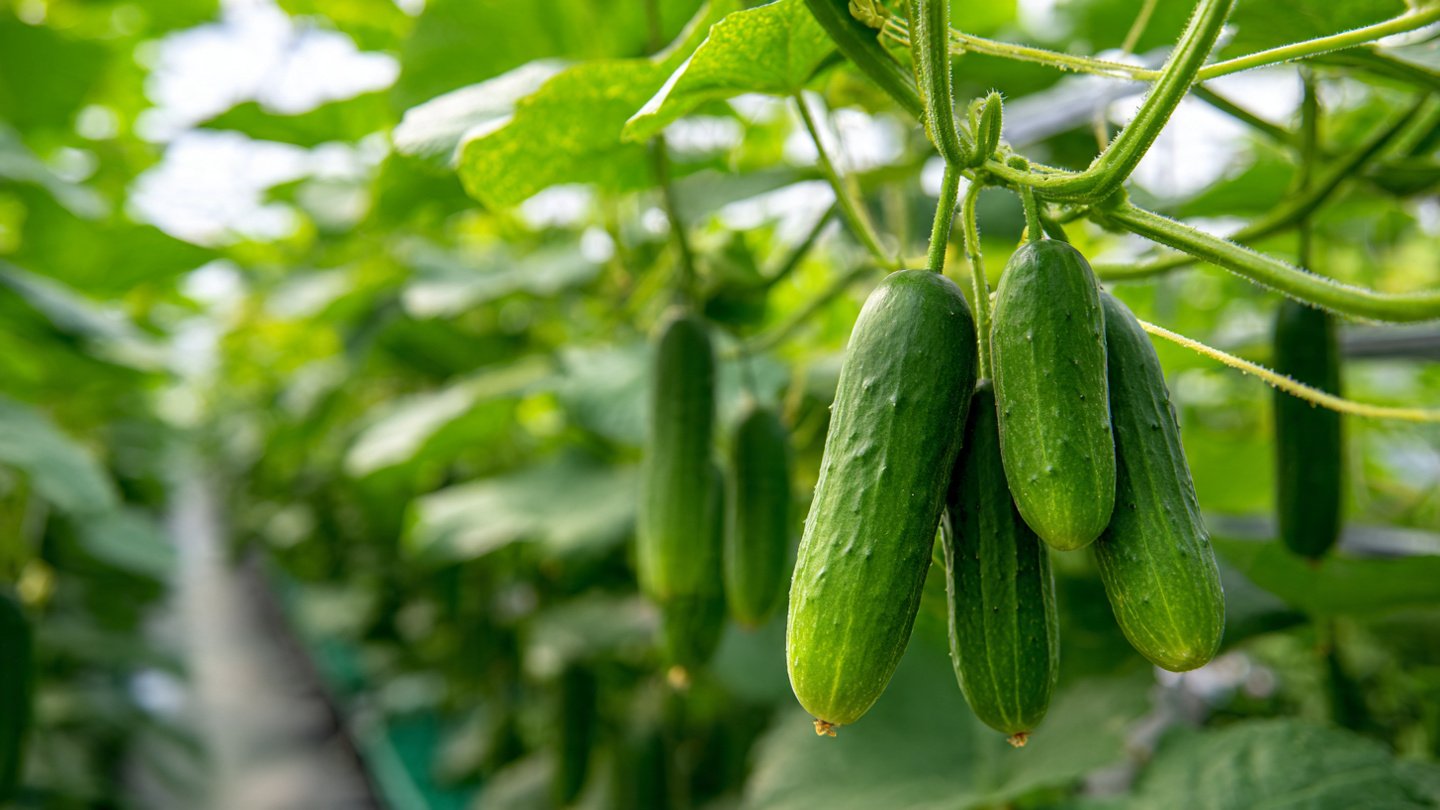
Few things are more refreshing in summer than biting into a crisp, juicy cucumber. But many home gardeners face a common problem: cucumbers that develop a bitter taste, no matter how carefully they are grown. The good news is that with the right techniques, care, and timing, you can consistently harvest sweet, crisp, and delicious cucumbers right from your garden.
This guide will explore why cucumbers sometimes turn bitter and provide step-by-step strategies to grow cucumbers that are always enjoyable.
Understanding Why Cucumbers Become Bitter
Cucumber bitterness is caused by compounds called cucurbitacins, naturally occurring chemicals in the cucumber family. These compounds serve as a defense mechanism against pests and environmental stress, but unfortunately, they can make your cucumbers taste unpleasant.
Common causes of bitterness include:
- Environmental stress: Heat, drought, or irregular watering can trigger cucurbitacin production.
- Overripe fruit: Cucumbers left on the vine too long often become bitter.
- Genetics: Some cucumber varieties are naturally more prone to bitterness.
- Improper pollination: Poor pollination can affect fruit flavor.
- Nutrient imbalance: Stress from low potassium or excess nitrogen can influence taste.
By addressing these factors, you can minimize or eliminate bitterness.
Choosing the Right Variety
Starting with the right cucumber variety is essential. Some varieties are bred specifically for sweetness and crispness, while others may be more bitter under certain conditions.
Recommended non-bitter varieties:
- Burpless cucumbers – Known for smooth skin and mild flavor.
- Lemon cucumbers – Round, yellow, and naturally sweet.
- Marketmore 76 – Resistant to bitterness and common diseases.
- Sweet Success or Sweet Slice – Developed for flavor and tenderness.
Check seed packets for terms like “non-bitter,” “burpless,” or “sweet” to ensure you’re starting with a variety likely to produce crisp, mild fruit.
Preparing Your Garden for Cucumbers
Cucumbers thrive in well-prepared soil and the right location:
- Soil: Cucumbers prefer loamy, well-draining soil with a pH of 6.0–7.0. Amend with compost or well-rotted manure for fertility.
- Sunlight: At least 6–8 hours of direct sun daily is essential for flavor and sweetness.
- Spacing: Space plants 12–24 inches apart to ensure good airflow and prevent disease.
- Support: Trellising or cages keep fruit off the ground, improving flavor and crispness while reducing pest damage.
Well-prepared soil and proper spacing reduce stress, one of the main triggers for bitterness.
Watering: The Key to Crisp Cucumbers
Consistent watering is one of the most important factors for non-bitter cucumbers. Inconsistent watering can stress the plant and lead to cucurbitacin production.
Watering tips:
- Deep, regular watering: Aim for 1–2 inches per week, depending on rainfall.
- Water at the base: Avoid wetting leaves to reduce fungal disease.
- Mulch: Use straw, shredded leaves, or black plastic to retain soil moisture and reduce temperature fluctuations.
- Avoid drought stress: Water stress during flowering and fruiting is a major cause of bitterness.
By keeping your cucumbers hydrated, you encourage tender, sweet fruit rather than bitter stress-affected cucumbers.
Fertilizing for Flavor
Cucumbers are heavy feeders, and nutrient balance affects taste:
- Nitrogen: Needed for leaf growth but too much can make fruit bitter.
- Potassium: Essential for fruit sweetness and overall plant health.
- Phosphorus: Supports root development and flowering.
Fertilizer tips:
- Apply a balanced fertilizer (like 10-10-10) at planting.
- Side-dress with compost or potassium-rich fertilizer once flowers appear.
- Avoid over-fertilizing with nitrogen alone, which can promote leafy growth at the expense of flavor.
A well-fed cucumber plant produces crisp, flavorful fruits with minimal bitterness.
Pollination and Flower Management
Proper pollination ensures uniform, non-bitter cucumbers:
- Male vs. female flowers: Female flowers have a tiny cucumber at the base; male flowers are thinner and produce pollen.
- Encourage pollinators: Bees and other pollinators improve fruit quality. Plant flowering companions like marigolds, nasturtiums, or borage to attract them.
- Hand-pollination: In greenhouses or areas with few bees, gently transfer pollen from male to female flowers using a soft brush.
Cucumbers that are poorly pollinated may develop bitterness and deformities, so supporting pollination is key.
Harvesting at the Right Time
Even the best care can’t prevent bitterness if cucumbers are overripe:
- Pick frequently: Harvest every 1–2 days once fruit reaches maturity.
- Look for size cues: Most slicing cucumbers are best at 6–8 inches; pickling cucumbers at 2–4 inches.
- Avoid leaving fruit on the vine: Cucumbers left to mature fully on the plant can become bitter and seedy.
Regular harvesting encourages continuous fruit production and maintains sweetness.
Temperature Management
Cucumbers are sensitive to extreme temperatures:
- Optimal growth: 70–85°F (21–29°C) during the day, 60–70°F (16–21°C) at night.
- Heat stress: Temperatures above 90°F (32°C) can cause bitterness and poor fruit set.
- Cold stress: Nighttime temperatures below 50°F (10°C) slow growth and may reduce flavor.
Using row covers or shade cloth during heatwaves can protect your cucumbers and maintain crisp, sweet flavor.
Pest and Disease Control
Pests and diseases stress cucumber plants and can contribute to bitterness:
- Common pests: Aphids, cucumber beetles, and spider mites.
- Fungal diseases: Powdery mildew, downy mildew, and bacterial wilt.
- Preventive measures:
- Rotate crops each year.
- Remove infected leaves promptly.
- Use neem oil or insecticidal soap for pest control.
- Ensure proper spacing for airflow.
Healthy plants are less stressed and produce sweeter, crisper cucumbers.
Storage After Harvest
Even after harvesting, cucumbers can develop bitterness if stored improperly:
- Temperature: Store at 50–55°F (10–13°C) to maintain crispness. Avoid refrigeration below 45°F, which can cause chill damage.
- Humidity: Maintain high humidity (90–95%) to prevent shriveling.
- Short-term use: Cucumbers taste best when eaten within a week of harvest.
Proper storage ensures the fruit you worked so hard to grow stays delicious.
Additional Tips for Non-Bitter Cucumbers
- Prune vines lightly to focus energy on fewer, better-quality fruits.
- Grow multiple varieties to find the ones that suit your climate and taste preferences.
- Monitor soil pH and nutrient levels, correcting imbalances as needed.
- Avoid stress at all stages—consistent care is the secret to sweet, crisp cucumbers.
Conclusion
Growing cucumbers that are consistently crisp and non-bitter is entirely achievable with the right strategies. By selecting non-bitter varieties, providing consistent water and nutrients, encouraging proper pollination, managing temperature and pests, and harvesting at the right time, you can enjoy a continuous supply of sweet, crunchy cucumbers all season long.
Whether you’re slicing them for salads, pickling for later use, or enjoying fresh snacks, following these tips ensures that every bite is refreshingly sweet and never bitter. A little attention to detail goes a long way, and the reward is a garden full of cucumbers that are as delicious as they are healthy.