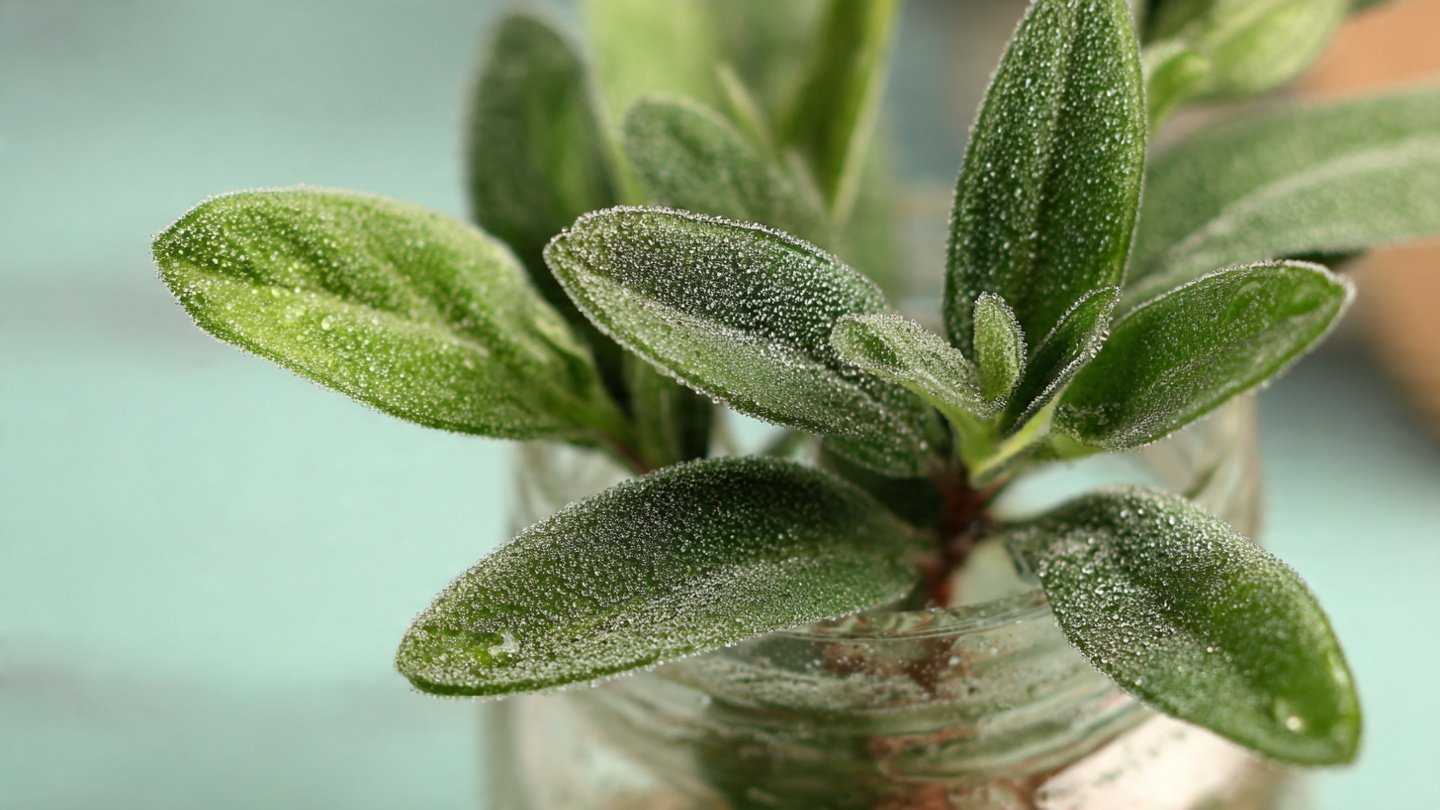
Fuzzy-leaf plants, such as African violets, lamb’s ear, and certain begonias, have soft, hairy foliage that makes them unique and beautiful. However, their delicate texture also makes cleaning a challenge. Unlike smooth-leaf plants, fuzzy leaves cannot withstand regular wiping with water or heavy sprays, which can encourage mold, rot, or damage the tiny hairs that protect the plant. For indoor gardeners, knowing how to clean fuzzy-leaf plants without using water is essential to keep them healthy and vibrant.
This guide will explore why cleaning fuzzy leaves is important, the best water-free methods to maintain them, and step-by-step techniques to remove dust and debris safely.
Why Fuzzy Leaves Need Special Care
Fuzzy leaves are covered in tiny, fine hairs called trichomes. These serve several purposes:
- Protection Against Pests: Trichomes deter insects and limit damage.
- Reduced Water Loss: They help retain moisture by slowing evaporation.
- Temperature Regulation: Protect leaves from intense heat and sun.
However, dust and debris can accumulate on these fine hairs, interfering with photosynthesis and reducing the plant’s ability to breathe. Cleaning is essential, but fuzzy leaves are sensitive to moisture, which can clump hairs together, create mold, or damage the protective layer.
Step 1: Gentle Brushing
One of the simplest methods to clean fuzzy leaves without water is brushing:
Materials Needed:
- Soft-bristled brush (paintbrush or makeup brush)
- Compressed air (optional for small particles)
Steps:
- Use a soft-bristled brush to lightly sweep dust off the leaf surface.
- Brush in one direction to avoid bending or breaking trichomes.
- For stubborn debris, lift the leaf slightly and brush underneath.
- Repeat weekly or whenever dust is noticeable.
Tips:
- Use a clean brush dedicated only to plant care.
- Avoid hard or coarse brushes that may tear the leaves.
This method works well for most fuzzy-leaf plants and ensures the trichomes remain intact.
Step 2: Using a Gentle Air Blast
For plants with intricate foliage, a gentle air blast can remove dust from hard-to-reach areas:
Materials Needed:
- Compressed air canister (used for electronics)
- Small handheld air blower (low-speed setting)
Steps:
- Hold the air source a few inches away from the leaves.
- Use short bursts of air to dislodge dust.
- Move around the plant to reach the undersides of leaves and tight areas.
Tips:
- Keep the pressure low to avoid damaging the hairs.
- This method is ideal for plants with many small leaves, such as African violets or fuzzy begonias.
Air blasting is excellent for keeping leaves clean without the risk of water damage.
Step 3: Using Sticky Tools or Lint Rollers
For plants with dense fuzz, sticky tools can gently lift debris from the leaf surface:
Materials Needed:
- Clean sticky notes or adhesive tape
- Lint roller with delicate adhesive
Steps:
- Press the sticky surface lightly against the leaf.
- Lift away gently, removing dust and lint.
- Avoid pressing too hard, which can flatten or tear trichomes.
Tips:
- Only use tools that leave no residue.
- Replace tape or sticky surface frequently for best results.
Sticky tools are particularly effective for removing fine dust that brushing cannot reach.
Step 4: Using a Soft Cloth or Sponge
If you want to mimic wiping without water, dry microfiber cloths or sponges can safely clean fuzzy leaves:
Steps:
- Take a clean, dry microfiber cloth or sponge.
- Lightly dab or gently brush the leaf surface.
- Focus on one leaf at a time, being careful not to rub vigorously.
- Shake the plant afterward to remove any loosened dust.
Tips:
- Avoid rough fabrics like cotton, which can snag trichomes.
- Rotate cleaning with brushing to avoid over-handling.
Dry cloth cleaning works well for medium to large fuzzy leaves, such as lamb’s ear or sage varieties.
Step 5: Managing Dust in the Environment
The best way to minimize cleaning is to reduce dust accumulation in your indoor garden:
- Air Purifiers: Use HEPA filters to remove airborne particles.
- Regular Dusting: Keep surrounding shelves, windowsills, and floors clean.
- Strategic Placement: Avoid placing plants near vents, heavy traffic areas, or dusty windows.
- Rotate Plants: Periodically turn plants so all leaves receive airflow and reduce dust buildup.
By controlling the environment, you reduce the frequency of leaf cleaning and prevent stress on delicate plants.
Step 6: Handling Common Leaf Issues
Sometimes fuzzy leaves develop more than dust problems, such as:
- Leaf Debris: Dead pollen or soil particles can accumulate.
- Pest Residue: Spider mites or aphids may leave fine webbing.
- Fungal Issues: Avoid using water, as moisture can exacerbate mold growth.
Water-free solutions:
- Gently brush or use sticky tape to remove debris.
- Use a dry toothbrush or compressed air to lift pest residue.
- For fungal issues, remove affected leaves and improve airflow.
Maintaining clean leaves reduces the likelihood of disease while keeping the plant healthy.
Step 7: Protecting Trichomes During Cleaning
Trichomes are fragile, so it’s important to protect them during cleaning:
- Avoid rubbing or pressing hard.
- Use tools that do not leave residue.
- Clean only when necessary; over-handling can damage the protective fuzz.
- Always move in one direction when brushing to minimize damage.
Healthy trichomes help the plant retain moisture and resist pests, making careful cleaning essential.
Step 8: Maintaining Fuzzy Leaf Plant Health
Cleaning is only one part of caring for fuzzy-leaf plants. For best results, also consider:
- Proper Lighting: Bright, indirect sunlight helps the plant thrive and keeps leaves healthy.
- Humidity Control: Many fuzzy-leaf plants prefer moderate humidity; too much moisture can encourage mold.
- Soil Care: Use well-draining soil to prevent root rot.
- Fertilization: Feed with appropriate fertilizer during the growing season.
- Regular Inspection: Check for pests and dust accumulation weekly.
Healthy plants tolerate cleaning better and maintain their characteristic soft, fuzzy appearance.
Step 9: Tips for Frequent Maintenance
- Clean leaves every 1–2 weeks or when dust is visible.
- Rotate between brushing, air blasts, and sticky tools to reduce wear on leaves.
- Keep hands clean while handling the plant to avoid transferring oils.
- Avoid spraying water or misting fuzzy leaves.
Consistency ensures plants remain dust-free, vibrant, and stress-free.
Step 10: When to Avoid Water Altogether
Some situations require strictly water-free cleaning:
- High Humidity Conditions: Avoid water that can cause fungal growth.
- Delicate New Leaves: Young fuzz-covered leaves are especially sensitive.
- Winter Care: Low light and cool temperatures slow evaporation; water can linger on leaves.
- Infected Leaves: Fungal or bacterial infections can worsen with moisture.
In these cases, brushing, air blasts, or sticky tools are safer and more effective than water.
Conclusion
Cleaning fuzzy-leaf plants without water is both an art and a science. These delicate plants require special care to maintain their trichomes, prevent mold, and ensure proper photosynthesis. Using methods such as gentle brushing, compressed air, sticky tape, and dry cloths, gardeners can keep leaves dust-free while preserving the plant’s natural protective fuzz.
Environmental management, including dust reduction, air circulation, and careful plant placement, complements cleaning efforts. By combining these water-free methods with proper lighting, soil care, and humidity management, fuzzy-leaf plants can remain healthy, vibrant, and beautiful indoors.
Caring for fuzzy-leaf plants without water may seem meticulous, but the reward is soft, lush, and thriving foliage that enhances any indoor garden. With patience, the right tools, and gentle techniques, even the most delicate fuzzy-leaf plant can flourish all year round.