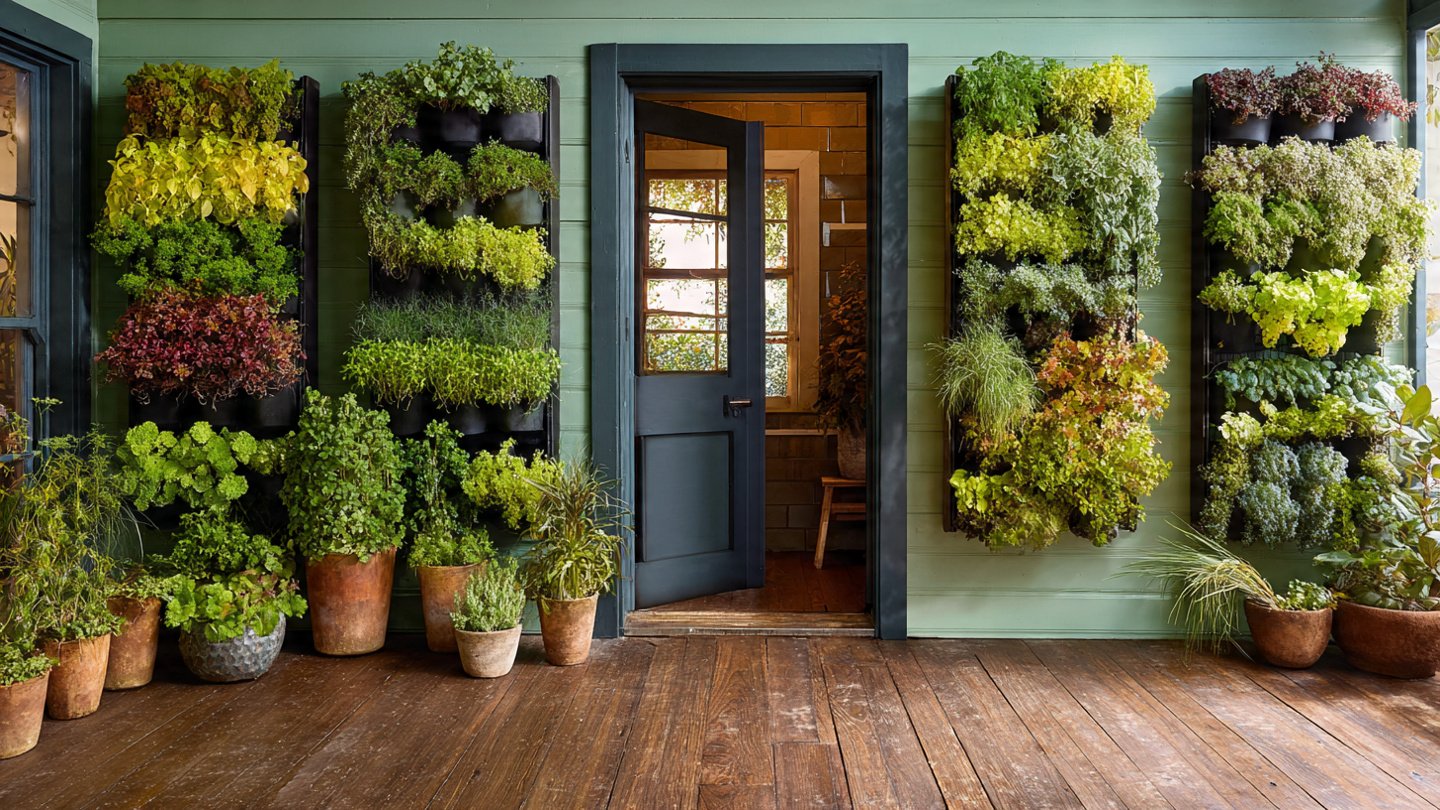
Imagine stepping into your kitchen and plucking fresh basil, mint, or rosemary right from a garden growing on your door! A vertical herb garden on a sunny kitchen door is not only a space-saving solution but also a practical and beautiful way to grow fresh herbs year-round. Whether you live in a small apartment or a house with limited garden space, this creative gardening idea can transform your kitchen into a lush, aromatic haven. This guide walks you through the steps, materials, plant selection, and care tips to create a thriving vertical herb garden on your kitchen door.
Why a Vertical Herb Garden?
Vertical gardening has become increasingly popular because it maximizes space while offering functional and aesthetic benefits. Here’s why a kitchen door herb garden is an excellent idea:
- Space-saving: Perfect for apartments or homes without outdoor garden space.
- Convenience: Fresh herbs are literally a step away while cooking.
- Aesthetics: Adds greenery and life to your kitchen space, making it more inviting.
- Air purification: Herbs like basil, rosemary, and mint can help improve indoor air quality.
- Year-round growth: Indoor sunlight or supplemental grow lights can allow herbs to thrive all year.
A vertical herb garden combines practicality with beauty, making it a must-have for kitchen enthusiasts and plant lovers alike.
Choosing the Right Location
The success of your vertical herb garden depends heavily on sunlight exposure. Most culinary herbs require at least 6 hours of direct sunlight per day to thrive.
- Sunny kitchen door: A door that faces south or west is ideal.
- Indirect light: Some herbs like mint and parsley tolerate partial sunlight if direct sunlight is limited.
- Supplemental lighting: If your kitchen door doesn’t receive enough natural light, consider using LED grow lights or fluorescent lights.
Proper lighting ensures strong growth, healthy leaves, and flavorful herbs.
Selecting Herbs for a Vertical Garden
When creating a door herb garden, it’s important to choose herbs that are compact, fast-growing, and suited for container growth. Here are some ideal options:
- Basil: Thrives in full sunlight and warm temperatures. Great for cooking.
- Mint: Hardy and fast-growing; grows well in containers but may need control to prevent overcrowding.
- Parsley: Prefers partial sunlight; compact and nutritious.
- Thyme: Drought-tolerant and fragrant; perfect for vertical spaces.
- Chives: Compact and easy to snip for cooking.
- Oregano: A hardy herb that grows well in containers.
- Cilantro: Quick-growing; prefers cooler temperatures and partial sunlight.
Consider mixing herbs with similar sunlight and water needs to ensure all plants thrive in your vertical arrangement.
Choosing a Vertical Garden Structure
There are many ways to build a vertical herb garden on your kitchen door. Some popular options include:
- Hanging pockets: Fabric or felt pockets can hold small pots or soil directly, making them lightweight and easy to install.
- Wall-mounted planters: Small plastic or wooden planters can be attached to the door in a grid formation.
- Pallet garden: A small wooden pallet can be repurposed as a multi-level planter.
- Vertical planter tower: Stackable containers allow herbs to grow in layers, maximizing vertical space.
- PVC pipe planters: Cut pipes with holes can hold herbs and attach to the door for a modern look.
Choose a structure based on your kitchen decor, door size, and the number of herbs you want to grow.
Preparing the Door and Structure
Before installing your vertical garden, ensure your door can support the weight of the planters and soil:
- Reinforce the door: For heavy planters, add a support frame behind the door or use lightweight materials.
- Protect the door surface: Line the back of the planter with plastic or waterproof material to prevent moisture damage.
- Secure installation: Use hooks, screws, or brackets to attach the vertical garden securely.
Proper preparation prevents damage to your door and ensures your vertical herb garden remains stable.
Planting Your Herbs
Once your structure is ready, it’s time to plant your herbs:
- Choose containers: Small pots or individual pockets work best. Ensure each container has drainage holes to prevent waterlogging.
- Use quality soil: A lightweight potting mix enriched with compost or organic fertilizer is ideal. Herbs need well-draining soil to thrive.
- Planting depth: Plant herbs at the same depth they were growing in their nursery pots.
- Spacing: Leave enough space between plants for air circulation and growth—crowding can lead to disease.
Planting carefully ensures your herbs have enough space, nutrients, and airflow for healthy development.
Watering and Fertilization
Herbs in vertical gardens can dry out faster than those in ground soil, so proper watering is essential:
- Watering frequency: Check soil moisture daily. Most herbs prefer slightly moist but not soggy soil.
- Bottom watering: Water from the base of each pocket or pot to prevent water from dripping onto the door.
- Fertilization: Use a liquid organic fertilizer every 3–4 weeks to encourage healthy growth and flavorful leaves.
- Mulching: Small amounts of mulch or gravel on top of the soil help retain moisture.
Balanced watering and regular fertilization are key to thriving vertical herb gardens.
Pruning and Harvesting
Regular pruning keeps herbs productive and prevents overcrowding:
- Snipping leaves: Harvest leaves regularly to encourage bushy growth. Avoid taking more than one-third of the plant at a time.
- Trimming flowers: Pinch off flowers if your goal is to keep leaves flavorful; flowering can reduce leaf quality.
- Rotating herbs: Rotate plants occasionally for even light exposure and balanced growth.
Consistent care ensures continuous harvest and a healthy, attractive vertical herb garden.
Pests and Disease Management
Vertical herb gardens are generally low-maintenance, but pests and diseases can still appear:
- Common pests: Aphids, spider mites, and whiteflies.
- Prevention: Keep herbs healthy, remove dead leaves, and maintain good airflow.
- Organic treatments: Use neem oil, insecticidal soap, or diluted garlic spray for minor infestations.
- Fungal issues: Avoid overwatering and ensure proper drainage to prevent root rot and mildew.
Vigilance and proper care prevent pests and diseases from damaging your vertical garden.
Seasonal and Year-Round Considerations
A kitchen door garden can thrive year-round with some adjustments:
- Winter care: Move portable planters indoors or supplement with grow lights.
- Summer care: Ensure herbs are watered more frequently during hot, dry weather.
- Succession planting: Replace herbs like cilantro and basil every 6–8 weeks for continuous harvest.
- Rotate crops: Some herbs grow faster or slower; plan succession planting for consistent greenery.
By planning for seasonal changes, your vertical herb garden can remain productive and attractive throughout the year.
Benefits of a Kitchen Door Vertical Herb Garden
Installing a vertical herb garden on your kitchen door provides numerous benefits:
- Fresh herbs on demand: Elevate your cooking with just-harvested herbs.
- Space efficiency: Maximizes limited kitchen or balcony space.
- Indoor greenery: Enhances kitchen aesthetics and adds natural beauty.
- Educational opportunity: Great for children to learn about plants and gardening.
- Stress relief: Caring for plants indoors promotes mindfulness and reduces stress.
A vertical herb garden is functional, beautiful, and contributes positively to your daily life.
Conclusion
Creating a vertical herb garden on your sunny kitchen door is a creative, practical, and rewarding project. By selecting the right herbs, using a suitable structure, ensuring proper sunlight, soil, watering, and maintenance, you can enjoy fresh herbs year-round without needing a traditional garden space.
Remember:
- Choose herbs with similar sunlight and water needs.
- Use lightweight materials and ensure proper drainage to protect your door.
- Provide adequate sunlight or grow lights for indoor growth.
- Maintain your herbs with regular pruning, watering, and fertilization.
- Watch for pests and rotate herbs seasonally for consistent productivity.
With a little planning and care, your kitchen door can transform into a lush, aromatic herb garden that brings fresh flavor, beauty, and convenience to your cooking. This vertical gardening approach allows even small-space dwellers to enjoy the joys of homegrown herbs while maximizing space efficiently.
Whether you want fresh basil for pasta, fragrant mint for tea, or aromatic thyme for roasting, your vertical kitchen door garden makes harvesting just steps away—a truly satisfying and practical addition to any home.