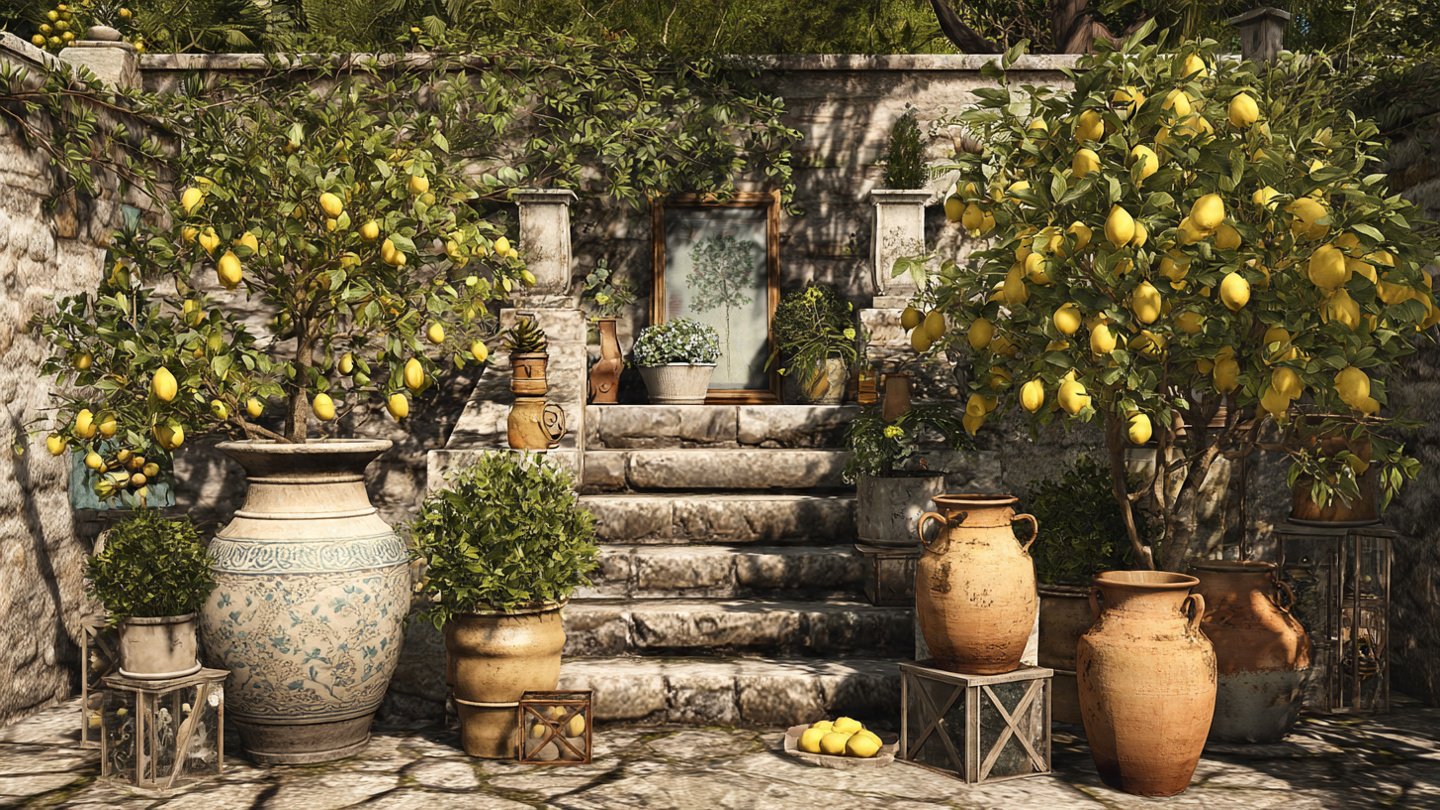
There’s something undeniably enchanting about the rustic charm of Tuscany: sun-drenched villas, cobblestone streets, aromatic herbs, and the vibrant yellow of ripe lemons glistening in stone pots. You don’t need to travel to Italy to bring this magic home. With a few thoughtful touches—particularly lemon trees and stone pots—you can transform your garden, patio, or balcony into a Tuscan-inspired oasis. This article will guide you step by step on creating your own Mediterranean retreat, combining greenery, fragrance, and timeless elegance.
Why Lemon Trees and Stone Pots?
Before diving into design, it’s essential to understand why lemon trees and stone pots are central to a Tuscan-inspired oasis.
- Symbolism of Lemon Trees: In Tuscany, lemon trees are more than just fruit-bearing plants—they represent abundance, vitality, and Mediterranean elegance. Their glossy green leaves, fragrant blossoms, and bright yellow fruits bring a sense of life and color to any space.
- The Appeal of Stone Pots: Stone pots evoke the rustic, sun-baked feel of Italian gardens. Their textured surfaces and earthy tones complement the vibrant green of the leaves and yellow of the lemons, creating a timeless visual harmony.
- Practical Benefits: Lemon trees thrive in pots, making them ideal for patios, terraces, and even small balconies. Stone pots are durable, provide excellent insulation, and maintain moisture levels for healthy root growth.
Together, lemon trees in stone pots combine beauty, functionality, and Mediterranean charm, forming the foundation of your Tuscan oasis.
Step 1: Selecting the Right Lemon Trees
Choosing the right variety of lemon tree is critical for both aesthetics and practicality.
- Meyer Lemon: Compact, prolific, and sweeter than traditional lemons. Ideal for patios and small gardens.
- Eureka Lemon: Classic bright yellow lemons with vigorous growth, perfect for larger outdoor spaces.
- Ponderosa Lemon: Produces large fruits and blooms year-round, offering continuous visual appeal.
When selecting a lemon tree, consider:
- Size of the Space: Smaller trees like Meyer lemon work well in tight corners, while larger varieties suit open terraces.
- Climate: Lemon trees thrive in full sun and warm climates but can survive winters if protected.
- Container Growth: Some trees adapt better to pots than others. Meyer lemons are particularly suited to container life.
Selecting the right lemon tree ensures your oasis will be visually appealing, productive, and easy to maintain.
Step 2: Choosing Stone Pots
Stone pots come in a variety of shapes, sizes, and finishes. For a Tuscan look, consider:
- Terracotta-Style Stone Pots: Earthy, reddish-brown hues mimic traditional Italian pottery.
- Limestone or Marble Finish: Adds elegance and durability, ideal for terraces and formal garden areas.
- Textured, Rustic Pots: Rough surfaces provide an authentic, weathered appearance reminiscent of old Tuscan villas.
Key Tips for Stone Pots:
- Size Matters: The pot should be at least 18–24 inches in diameter for a mature lemon tree.
- Drainage: Ensure pots have proper drainage holes to prevent waterlogging.
- Weight Considerations: Stone pots are heavy, so plan their placement carefully.
Well-chosen pots enhance the authenticity and longevity of your Tuscan oasis while providing ideal conditions for your lemon trees.
Step 3: Planting Your Lemon Trees
Once you have selected the tree and pot, planting is the next critical step.
Steps:
- Prepare the Potting Mix: Use well-draining soil with a mix of sandy loam and compost. Lemon trees prefer slightly acidic soil (pH 5.5–6.5).
- Add Drainage Layer: Place small stones or gravel at the bottom of the pot to prevent water accumulation.
- Plant the Tree: Position the lemon tree at the same soil depth as in its nursery container. Fill around the roots with soil, gently firming it.
- Water Thoroughly: Ensure the soil is evenly moist but not soggy.
- Top with Mulch (Optional): Mulching with small pebbles or bark helps retain moisture and adds a polished look.
Proper planting ensures healthy growth and helps your lemon tree thrive in a container environment.
Step 4: Arranging Your Tuscan Oasis
Creating a Tuscan-inspired space is about more than just plants; it’s about composition, texture, and atmosphere.
- Symmetry and Grouping: Arrange lemon trees in pairs or clusters to create visual balance. In traditional Tuscan gardens, symmetry adds a sense of formality and elegance.
- Complementary Plants: Surround lemon trees with Mediterranean companions:
- Lavender: Adds fragrance and color contrast.
- Rosemary: Provides structure, scent, and a culinary bonus.
- Olive Trees: Offer height variation and classic Mediterranean appeal.
- Pathways and Hardscaping: Stone or cobblestone paths between pots evoke Tuscan villa gardens. Consider pebble borders or terracotta tiles for authentic detailing.
- Furniture and Decor: Add rustic wooden benches, wrought-iron chairs, or a small water fountain to complete the ambiance.
With careful placement and layering, your lemon trees in stone pots will anchor the space and evoke Tuscan charm.
Step 5: Caring for Lemon Trees in Stone Pots
To maintain a healthy and productive Tuscan oasis, care for your lemon trees is essential.
Watering
- Lemon trees in pots dry out faster than those in the ground. Water when the top 2 inches of soil feel dry.
- Reduce watering in winter but never let the soil dry out completely.
Fertilization
- Use a citrus-specific fertilizer high in nitrogen and potassium.
- Fertilize every 4–6 weeks during the growing season for vigorous growth and abundant fruit.
Pruning
- Prune lightly after fruiting to maintain shape and airflow.
- Remove dead or crowded branches to keep the tree healthy.
Winter Protection
- In colder climates, move pots indoors or to a sheltered area.
- Wrap the pot with insulation or burlap to protect roots from frost.
Consistent care ensures your lemon trees remain lush, productive, and visually stunning year-round.
Step 6: Enhancing the Tuscan Atmosphere
To fully embrace the Tuscan aesthetic, consider these finishing touches:
- Decorative Stones and Pebbles: Top the soil with river stones or white pebbles to enhance the visual appeal of your stone pots.
- Fragrant Flowers: Incorporate jasmine, gardenia, or sweet alyssum around the lemon trees to enhance the scent.
- Terracotta Accessories: Pots, lanterns, and statues in earthy tones add authenticity.
- Water Features: A small fountain or basin provides the soothing sound of flowing water, enhancing relaxation.
- Lighting: Soft outdoor string lights or lanterns create a warm, romantic evening ambiance.
These details bring the space together, transporting you to the heart of Tuscany without leaving your backyard.
Step 7: Harvesting and Enjoying Your Lemons
One of the most rewarding aspects of a Tuscan oasis is harvesting homegrown lemons.
- When to Harvest: Lemons are ready when they turn bright yellow and feel slightly soft to the touch.
- Daily Observation: Regularly check for ripe fruits to prevent overripening.
- Use in Cuisine: Add freshly picked lemons to salads, desserts, drinks, and marinades.
- Decorative Appeal: Even unharvested lemons add color and charm, enhancing the Mediterranean vibe.
Harvesting lemons from stone pots gives a sense of abundance and connection to nature, a core element of Tuscan living.
Step 8: Benefits of a Tuscan-Inspired Garden
Creating a Tuscan oasis isn’t just about aesthetics—it brings multiple practical and emotional benefits:
- Stress Relief: The scent of lemons and lavender, combined with natural elements, creates a calming environment.
- Productivity: Stone pots and container gardening allow fruit cultivation in small or urban spaces.
- Year-Round Beauty: Lemon trees maintain greenery even in winter, keeping your garden lively.
- Sustainable Gardening: Container planting reduces water waste and allows easy mobility for sunlight optimization.
- Culinary Rewards: Fresh lemons, herbs, and flowers enhance your cooking and drinks.
A Tuscan oasis is a blend of beauty, utility, and wellness, enriching your daily life.
Conclusion
Crafting a Tuscan oasis with lemon trees and stone pots is a rewarding project that combines beauty, fragrance, and practicality. By carefully selecting the right trees, choosing authentic stone pots, arranging plants thoughtfully, and providing proper care, you can create a Mediterranean retreat right in your own backyard or terrace. The bright lemons, fragrant leaves, and rustic stone elements evoke the timeless elegance of Tuscany, while the accompanying herbs and décor bring the space to life.
Whether for entertaining guests, relaxing with a morning coffee, or harvesting homegrown citrus for your kitchen, your Tuscan-inspired garden will provide year-round charm, sensory delight, and a true taste of Italy. With the right planning and care, you can enjoy your very own slice of the Italian countryside, complete with the iconic beauty of lemon trees thriving in elegant stone pots.