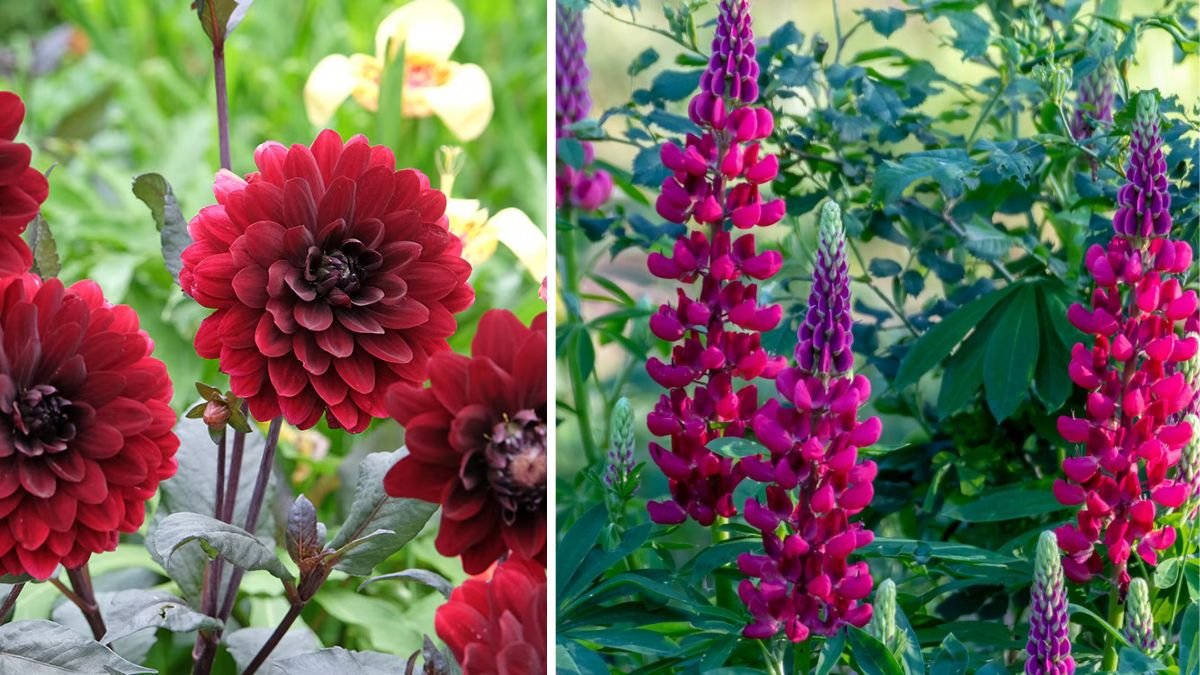
Gardens are not just about blooms—they’re about contrast, texture, and drama. While bright flowers often steal the show, the foliage that surrounds them plays an equally critical role in enhancing visual appeal. Among the most striking foliage options is deep burgundy or dark purple leaves. When paired with the right flowers, this bold, rich foliage can create a garden that is sophisticated, vibrant, and visually unforgettable. Achieving stunning flowers with bold deep burgundy foliage requires understanding plant selection, complementary color schemes, and proper care techniques.
Why Deep Burgundy Foliage Makes a Statement
Deep burgundy foliage is naturally eye-catching. Its dark, velvety tones create a strong contrast against green leaves, bright flowers, or lighter garden features. This contrast does more than just make your flowers pop—it adds depth and dimension, turning ordinary garden beds into dynamic displays.
Plants with burgundy foliage, such as Heuchera ‘Palace Purple’, Coleus, and Smoke Bush (Cotinus coggygria), naturally draw the eye, providing a lush backdrop for blooms of all colors. These plants act like living frames for flowers, highlighting their shapes, hues, and textures.
Choosing the Right Flowers for Burgundy Foliage
The key to achieving a stunning floral display is complementary color pairing. Deep burgundy foliage works beautifully with flowers in these color families:
- Bright Pinks and Magentas – Colors like hot pink, fuchsia, and magenta create a striking contrast with dark leaves, producing a vibrant and energetic garden display. For example, pairing Impatiens or Petunia with burgundy-leaved plants can make your garden glow in partial shade.
- Oranges and Yellows – Warm tones like marigold yellow, tangerine, and amber pop against dark foliage, creating a fiery, tropical effect. Plants such as Marigold or Calibrachoa paired with burgundy leaves are perfect for high-impact border plantings.
- Whites and Creams – White flowers create a crisp, elegant contrast against deep burgundy foliage. Consider Shasta Daisy or Hydrangea ‘Annabelle’ to achieve a refined, clean look. The dark leaves act as a natural backdrop, making blooms appear brighter and more defined.
- Soft Pastels – Light pinks, lavenders, and peaches offer a delicate contrast that softens the intensity of burgundy leaves while maintaining visual appeal. Lavender or Astilbe provide a romantic, balanced composition in shaded garden beds.
Plant Pairing Techniques
When designing with burgundy foliage, it’s essential to consider how plants interact. Here are some tips for effective pairing:
- Layering Heights – Place taller burgundy foliage shrubs, like Smoke Bush, at the back of flower beds and mid-height annuals or perennials in front. This layered approach creates depth and ensures every plant is visible.
- Mixing Textures – Combine fine-textured leaves with bold, broad burgundy foliage to add dimension. For instance, pairing delicate ferns or ornamental grasses with Heuchera’s dark leaves provides contrast in both color and form.
- Repeating Colors – Introduce blooms that pick up on subtle tones in the foliage, such as burgundy veins in leaves. This repetition ties the composition together, creating a cohesive, harmonious look.
- Container Gardening – Deep burgundy foliage is ideal for containers. A single burgundy plant surrounded by contrasting blooms can act as a focal point on patios, balconies, or front steps. Containers also allow mobility, enabling repositioning for light or seasonal interest.
Seasonal Considerations
Burgundy foliage plants often provide multi-season interest. Many perennials maintain their deep coloration throughout summer and into fall, complementing autumn blooms like chrysanthemums, asters, or sedums. Shade-tolerant varieties such as Heuchera also maintain color in areas where sunlight is limited, making them versatile throughout the garden.
For seasonal rotation, consider planting annuals like Coleus with burgundy leaves alongside summer-blooming flowers, then switch to fall annuals such as pansies or ornamental kale. This strategy keeps your garden visually engaging year-round.
Sun and Soil Requirements
To achieve bold foliage coloration, it’s important to match plants with their preferred light and soil conditions:
- Sunlight – Many burgundy-leaf plants develop richer color in bright light. For example, Coleus will display its deepest hues in partial sun, while Smoke Bush thrives in full sun to enhance its purple leaves. However, some shade-tolerant varieties, like certain Heucheras, maintain their foliage color even in dappled shade.
- Soil – Well-drained, fertile soil promotes healthy growth and vibrant foliage. Adding organic compost can improve texture and nutrient availability, enhancing both leaf color and flower performance.
- Watering – Consistent moisture is essential, particularly for annuals paired with burgundy foliage perennials. Avoid overwatering, as soggy soil can cause root rot and affect plant vitality.
Maintenance Tips for Stunning Results
- Pruning – Regular pruning of both flowers and foliage encourages vigorous growth. Deadhead spent flowers to redirect energy to new blooms and maintain a neat appearance. Trim burgundy foliage plants to prevent legginess and encourage compact, full growth.
- Fertilization – Use a balanced, slow-release fertilizer to support vibrant leaf color and abundant blooms. Avoid excessive nitrogen, which can lead to overly lush green foliage at the expense of color intensity.
- Pest Management – Monitor for pests like aphids or slugs that may target either flowers or foliage. Employ organic or chemical treatments as needed to preserve the aesthetic quality of your garden.
- Winter Protection – Some burgundy-leaf plants, like perennials, may need mulching or protective covers in colder climates to maintain foliage integrity for the following season.
Creative Design Ideas
- Color-Blocking – Use deep burgundy foliage as a backdrop and plant rows of bright yellow marigolds or zinnias in front. The strong contrast creates a vibrant, high-impact visual.
- Foliage Frames – Place burgundy foliage around flower beds or pathways to frame blooms and direct the viewer’s attention. This technique works well with formal garden layouts or raised beds.
- Mixed Containers – Combine burgundy-leaf plants with trailing flowers and greenery in large pots. For example, pair Coleus with trailing lobelia or fuchsia for a layered, cascading effect.
- Seasonal Borders – Plant burgundy foliage perennials alongside bulbs such as tulips or daffodils. The deep leaves provide contrast to spring’s delicate pastel flowers, enhancing early-season appeal.
Popular Burgundy Foliage Plants to Consider
- Heuchera ‘Palace Purple’ – Shade-tolerant, perennial leaves with deep purple tones. Excellent for borders and containers.
- Coleus – Annual or perennial depending on climate; wide variety of leaf patterns and burgundy hues.
- Smoke Bush (Cotinus coggygria) – Deciduous shrub with dramatic purple-red foliage and airy flower plumes.
- Purple Fountain Grass (Pennisetum setaceum) – Adds vertical height, movement, and dark-textured leaves to mixed plantings.
- Japanese Maple (Acer palmatum ‘Bloodgood’) – Perfect for larger garden features; deep burgundy foliage that lasts throughout summer.
- Ajuga (Bugleweed) – Low-growing groundcover with dark purple leaves, ideal for underplanting or pathways.
Conclusion
Achieving stunning flowers with bold deep burgundy foliage is all about balance, contrast, and thoughtful plant selection. Deep burgundy leaves provide a striking backdrop that enhances flower color, adds texture, and creates depth in any garden. By selecting complementary blooms, layering heights, mixing textures, and providing proper care, gardeners can create visually captivating spaces that draw attention and admiration.
Whether through container arrangements, formal borders, or mixed perennial beds, burgundy foliage adds a sense of drama, sophistication, and elegance. By understanding seasonal dynamics, sun and soil requirements, and maintenance needs, you can ensure that both your foliage and flowers remain vibrant and healthy throughout the growing season.
In essence, bold deep burgundy foliage doesn’t just complement flowers—it elevates them, transforming ordinary plantings into extraordinary, show-stopping displays. With the right approach, your garden can become a sanctuary of color, texture, and bold beauty.